

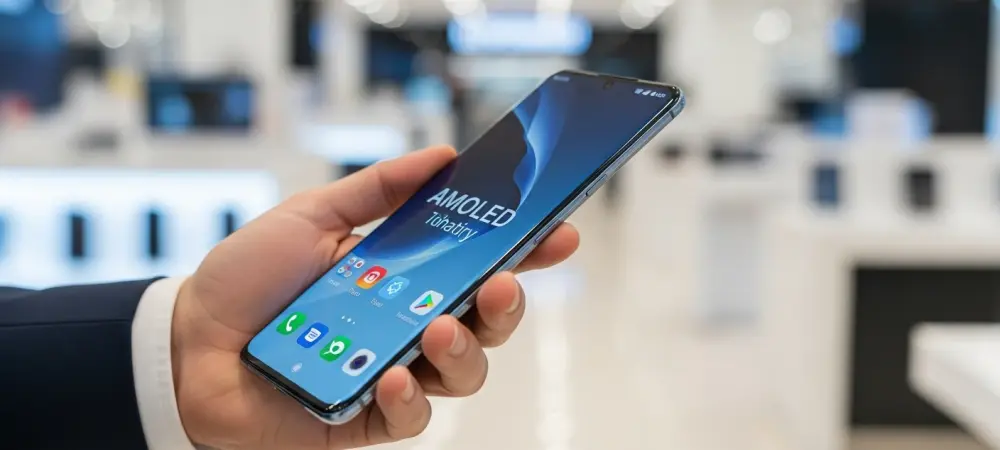
Samsung’s Fan Edition (FE) lineup has consistently bridged the gap between mid-range affordability and high-end performance, a trend that appears to reach its peak with the latest leaked details regarding the upcoming smartphone model. Enthusiasts who demand flagship power without the steep price tag of the Ultra variants are closely watching how this device balances premium materials with cost-effective engineering. Recent documentation suggests that the design language is shifting toward a thinner, more industrial aesthetic, moving away from the rounded edges seen in previous iterations. This shift signifies a strategic move to align the FE series more closely with the premium S26 lineup, ensuring that users do not feel they are compromising on style. As market competition intensifies from rivals offering high-performance sub-flagships, the pressure on this release to deliver a cohesive and high-quality user experience is higher than ever before. The rumored reduction in bezel thickness and the implementation of a more durable frame material indicate a commitment to longevity.
The Technical Blueprint: Processing Power and Thermal Management
Beneath the refined exterior, the technical specifications point toward a device that rivals most top-tier handsets currently dominating the retail shelves. The integration of the latest Exynos and Snapdragon processors, depending on the region, indicates that performance will remain a core pillar of the FE identity from 2026 to 2028. Leaks mention a significant upgrade to the cooling system, utilizing an enlarged vapor chamber that addresses the thermal throttling issues encountered in earlier generations. This improvement is particularly relevant for mobile gamers and power users who require sustained performance during intensive tasks. Furthermore, the rumored inclusion of a high-refresh-rate AMOLED panel with peak brightness levels exceeding two thousand nits suggests that visibility in direct sunlight will no longer be a drawback for this specific tier of hardware. By focusing on these critical internal components, the manufacturer aims to secure a dominant position in the increasingly crowded performance-per-dollar market segment.
Market Strategy: Actionable Steps for the Next Generation
The successful trajectory for mobile technology indicated that future developments prioritized seamless software integration and sustainable hardware longevity over mere incremental hardware bumps. Manufacturers focused on extending official support cycles to match the hardware’s durability, ensuring that these devices remained functional and secure for at least seven years. Consumers evaluated the cost-to-performance ratio of the FE model against the standard flagship, as the diminishing returns of higher-priced models became more apparent in daily usage scenarios. Strategic investments in high-quality optics and battery optimization software proved to be the winning combination for this year’s release, setting a new standard for what a value-oriented flagship ought to provide. Transitioning to a more modular internal design helped streamline repairs and reduced environmental impact, a trend that was expected to continue throughout the rest of the decade. These steps collectively ensured a robust ecosystem that balanced innovation with accessibility.