

Transforming Global Tech through Integrated Solutions
The convergence of high-performance mobile computing and intelligent home automation reaches a definitive peak with Xiaomi’s latest strategic international product rollout. The November 17 event serves as the official introduction of the Xiaomi 18 Pro series, a collection designed to challenge the limits of mobile processing. Beyond smartphones, the showcase represents a push to harmonize personal electronics with domestic utility. The narrative explores how Xiaomi is bridging the gap between various technological sectors. This launch reflects a trend toward unified ecosystems where devices operate under the HyperOS framework, providing a glimpse into automated living.
Chronological Progression Toward the Global Showcase
Early October: Domestic Previews in Mainland China
The journey toward this global debut began with the initial successful release of several ecosystem products within the Chinese market. During this phase, the Mijia line of home appliances, including the Tri Drum Washer Dryer Pro and the Refrigerator Pro Multi Door, underwent rigorous consumer testing. These devices established the foundation for the expanded home strategy, proving that high-capacity domestic tools could benefit from smart connectivity. This period also saw the first glimpses of new wearable designs, setting the stage for an international rollout.
Early November: Technical Specifications and Component Leaks
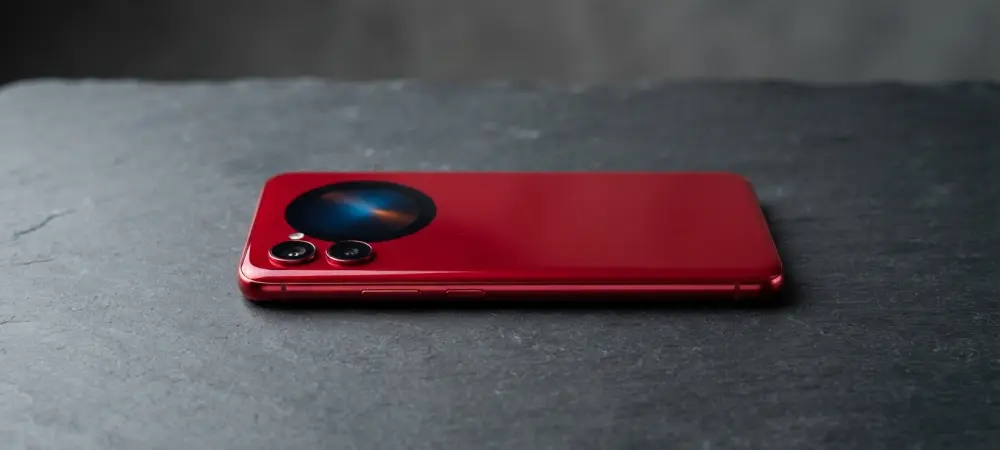
As the launch date approached, technical details regarding the Xiaomi 18 Pro series began to surface, highlighting a significant leap in mobile architecture. Rumors confirmed that the Pro Max variant would utilize Qualcomm’s Snapdragon 8 Elite Extreme Gen 6 chipset, a processor built on a 2nm process. The news of a peak clock speed reaching 5.01GHz generated substantial buzz, as it signaled a new era of performance efficiency. Concurrently, leaks regarding the distinctive secondary rear display and the signature red color option suggested a bold departure from traditional flagship designs.
November 17: The Global Product Launch Event
The culmination of these developments occurs on November 17, when Xiaomi officially presents its full suite of products to the international community. The event highlights the flagship Xiaomi 18 Pro and 18 Pro Max, while simultaneously introducing the Xiaomi Watch S5 and the Smart Band 11. This moment marks the first time the open-ear Xiaomi Clip TWS and the high-performance Robot Vacuum 6 Max are showcased on a global stage. This coordinated release demonstrates a finalized vision of a connected home, where every device is integrated via the HyperOS framework.
Key Technological Milestones and Market Shifts
The most significant turning point in this release is the adoption of the 2nm chipset architecture, which represents a massive leap in power density and thermal management. By being among the first to implement such advanced silicon, Xiaomi shifts the industry standard for what is expected from a flagship device. Another major theme is the democratization of high-end display technology, evidenced by the Watch S5 featuring a 3,000 nits peak brightness. These advancements suggest a pattern where professional-grade hardware is increasingly integrated into consumer-level lifestyle products.
Deep Dive into Regional Expansion and Design
As Xiaomi expanded its footprint, regional market differences played a crucial role in product strategy. The anticipated arrival of the 18 Pro series in the Indian market reflected a demand for high-performance devices with premium aesthetics. Analysts observed that the secondary rear display provided functional innovation for users requiring quick notification access. This design choice, combined with a bold red palette, catered to a demographic valuing both utility and expression. The integration of the Vacuum Cleaner 4 Max and the Refrigerator Pro confirmed that the smart home was treated as a primary business pillar. Consolidating these categories into a single event allowed users to seek deeper integration within the HyperOS environment.