

Dominic Jainy is a distinguished figure in the consumer technology sector, specializing in the convergence of high-end hardware and advanced artificial intelligence. With his deep understanding of global supply chains and the competitive smartphone landscape, he provides a unique perspective on how manufacturers are pushing the boundaries of what a mobile device can achieve. His expertise is particularly relevant as flagship devices transition from mere communication tools into professional-grade workstations and creative studios.
The discussion covers the strategic pivot of making a previously exclusive flagship available to a global audience, alongside the technical impact of dual-screen hardware and record-breaking brightness levels. We also examine the power efficiency of the latest Snapdragon silicon and the professional capabilities of an ultra-high-resolution triple-camera system. Finally, the conversation touches upon the pricing models and battery innovations that are setting new standards for the premium mobile market.
The decision to bring the Xiaomi 18 Pro to India marks a significant shift from previous years when it remained a China-exclusive model. How do you view this change in strategy and what it means for the competitive landscape?
It is a clear signal that the brand is finally ready to challenge the status quo by offering their most advanced hardware to a wider audience. Previously, models like the Xiaomi 17 Pro were kept exclusive to China, but the recent teaser on X confirms the 18 Pro is “coming soon” to the Indian market. This strategy addresses the growing demand for high-tier specs, such as the 2.7-inch secondary rear display, that global consumers have been eyeing from afar. By moving away from the limited releases of the past and introducing the blue-finished flagship, they are positioning themselves to capture a larger share of the enthusiast segment that was previously limited to standard or Ultra variants. This launch could disrupt the market significantly, especially if they can bridge the gap between their Chinese debut on September 23 and the rumored December arrival.
With the secondary rear display and 4,000 nits of peak brightness on both panels, how do you think this hardware will redefine the user’s daily interaction?
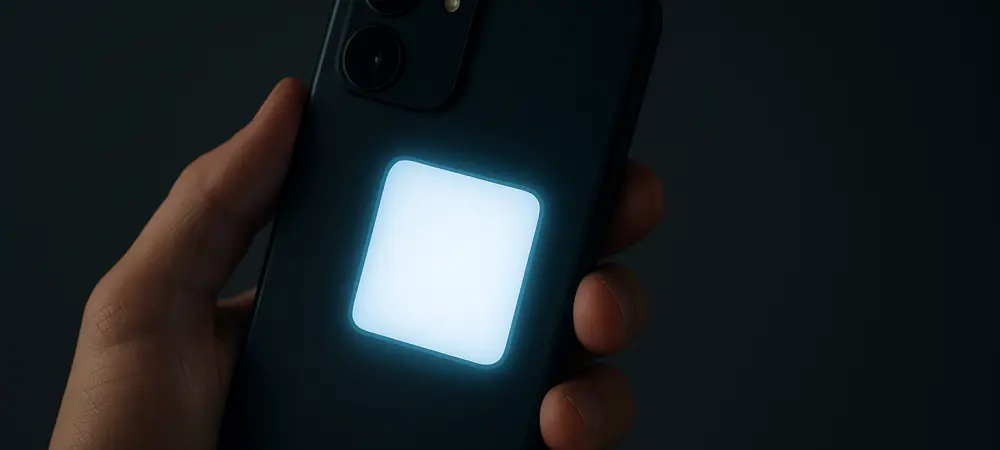
The integration of a 2.7-inch AMOLED secondary display on the rear is a massive tactile upgrade that changes how we handle notifications and photography. With both the main 6.4-inch screen and the back panel hitting 4,000 nits of peak brightness, visibility becomes a non-issue even under the direct mid-day sun. The fluidity of 120Hz refresh rates across both displays makes the entire Android 17-based HyperOS 4 experience feel incredibly cohesive and modern. It’s a sensory delight to have that 596×912 resolution screen on the back for quick glances or framing shots with the main camera without ever having to wake the main display. This level of brightness and dual-panel utility sets a high bar for what users expect from premium materials in 2026.
The Snapdragon 8 Elite Gen 6 and the 7,000mAh battery are huge jumps in power. What does this mean for the longevity and performance of the device in a professional context?
The combination of the Snapdragon 8 Elite Gen 6 and a massive 7,000mAh battery effectively removes the “range anxiety” often associated with high-performance flagships. Users can now push the device with intensive 5G tasks or Wi-Fi 7 connectivity without worrying about the battery draining before the work day is over. The inclusion of 100W wired and 50W wireless charging means that even when you do hit zero, you aren’t tethered to a wall for long. It is quite impressive to see up to 16GB of LPDDR5X RAM working in tandem with this power setup to ensure that the 1TB of UFS 4.1 storage is always fast and responsive for data-heavy applications. This synergy between energy capacity and processing power is exactly what professional users need for a seamless mobile experience.
Looking at the triple-camera setup featuring dual 200-megapixel sensors, how do you see this impacting the professional creative workflow for mobile users?
This camera system, featuring 200-megapixel primary and periscope telephoto sensors with Optical Image Stabilization, is a formidable tool for any visual storyteller. Having such high-resolution sensors allows for incredibly stable shots and high-detail crops that were once the exclusive domain of dedicated DSLRs. The 50-megapixel ultra-wide and front cameras round out the package, ensuring that every angle is covered with professional-grade clarity. For creators, this means the ability to shoot, edit, and publish high-resolution content directly from a single device without compromising on visual fidelity. The sheer data throughput required to process these images is likely why the advanced silicon and high-speed storage are so critical to this specific flagship.
With the starting price in China at roughly 86,000 rupees and going up to 1,43,000 for the transparent edition, how do you think the market will react to these premium price points?
Xiaomi has been on a journey of brand elevation for years, and the 18 Pro series is the culmination of that effort to move beyond value-driven roots. While the 12GB + 256GB model starts around CNY 5,999, the high-end 16GB + 1TB variant at CNY 8,999 puts it directly in the path of established premium giants. There is even a transparent collector’s version at nearly 1.5 lakh rupees, showing that they are no longer afraid to cater to the luxury segment with unique aesthetics. Consumers are increasingly willing to pay a premium for tangible tech benefits like 27W wired reverse charging and a versatile secondary screen. The value is no longer just in the price tag, but in providing a combination of features that rivals simply do not offer in a single package.
What is your forecast for the flagship smartphone market?
I anticipate that we will see an even more aggressive push toward high-resolution secondary displays and larger solid-state battery tech becoming the industry standard. By 2028, the foundation laid by the current dual-screen interface and 4,000-nit panels will likely evolve into fully wrap-around displays or more integrated AI-driven hardware shortcuts. We are moving toward an era where the smartphone isn’t just a communication tool, but a highly specialized, 24-hour creative workstation. The current trends suggest that the gap between professional imaging gear and the device in your pocket will continue to shrink until they are virtually indistinguishable. Eventually, the hardware will become a seamless extension of our professional lives, capable of handling any task with zero compromises.