

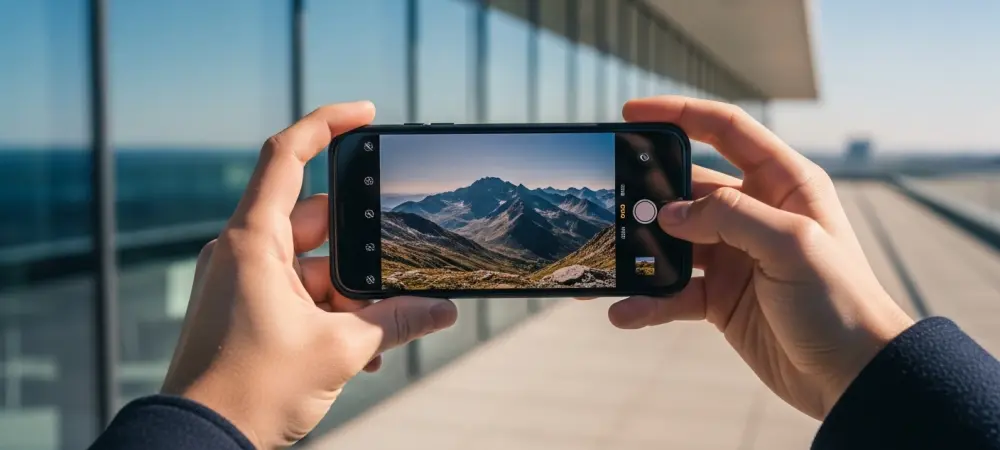
The rapid evolution of mobile imaging technology has reached a pivotal juncture where the distinction between professional digital single-lens reflex cameras and high-end smartphones is becoming increasingly difficult to discern for the average consumer and professional photographer alike. As mobile devices integrate larger sensors and more sophisticated optical elements, the competition between industry giants like Xiaomi and Vivo has intensified, leading to the release of the Xiaomi 18 and Vivo X500. These flagship models are not merely incremental upgrades; they represent a significant leap in how mobile hardware interacts with light and data. The market in 2026 has shifted its focus from purely digital enhancements to physical optics, emphasizing lens quality and sensor surface area over simple pixel counts. Consequently, users now find themselves equipped with tools that can handle low-light environments and complex depth-of-field scenarios with unprecedented clarity. This shift has altered the landscape of social media content, setting a new baseline for what a handheld device should achieve.
Advanced Optics: The Physical Frontier
Sensor Mastery: Pushing the Boundaries of Light
Xiaomi has aggressively pursued the integration of large-format sensors, specifically debuting a 1.2-inch primary imaging unit that challenges the constraints of slim smartphone chassis. This sensor technology, coupled with a f/1.4 to f/4.0 variable aperture system, allows the Xiaomi 18 to control light intake and depth of field with a precision previously unseen in the mobile sector. By utilizing a physical diaphragm rather than software-simulated bokeh, the device captures images with a natural roll-off that retains fine details in both highlight and shadow regions. The engineering behind this system required a complete redesign of internal cooling to accommodate lens movement. Furthermore, specialized multi-layer coatings on the glass surfaces minimize lens flare during difficult lighting. This hardware-first approach ensures that captured raw data provides a robust foundation for professional editing.
Precision Glass: The Art of Periscope Engineering
In contrast, the Vivo X500 has directed its engineering efforts toward perfecting long-range optical performance through its advanced APO periscope telephoto system. This system utilizes a unique lens arrangement certified by Zeiss to deliver a 200mm equivalent focal length without sacrificing the structural integrity of the device. The use of fluorite-grade glass elements within the periscope module significantly reduces chromatic aberration, which is a common issue when using high-magnification zooms on mobile hardware. By incorporating a floating lens group for macro photography, the X500 also excels at capturing intricate details from close distances, providing versatility that mirrors a dedicated telephoto lens. The stabilization system in this model has been enhanced to compensate for tremors, ensuring that images remain sharp even at maximum optical reach. This focus on optical purity allows the device to produce images with high contrast, making it a preferred choice for enthusiasts who demand distance and clarity.
Computational Synergy: Beyond Raw Hardware
Intelligent Processing: The Rise of Neural Imaging
While physical optics provide the foundation, the true differentiation in 2026 stems from the proprietary silicon dedicated to image signal processing and neural computation. The Xiaomi 18 utilizes the Surge V4 imaging chip, which is specifically designed to handle massive data throughput from the 1.2-inch sensor in real-time, enabling 8K video recording with full high dynamic range. This chip employs advanced denoising algorithms that analyze the scene at a pixel level to remove grain while preserving natural textures. Simultaneously, the Vivo X500 leverages its V5 imaging processor to optimize portrait photography through real-time skin tone mapping and lighting reconstruction. This technology evaluates the environment to simulate professional studio lighting, adjusting highlights on the subject’s face to create a balanced result. These custom processors are essential for managing the heat associated with high-resolution imaging, ensuring consistent performance during extended shooting sessions and maintaining device longevity.
Practical Pathways: Leveraging Advanced Mobile Optics
The adoption of these sophisticated imaging systems marked a definitive shift in the consumer technology landscape as users moved toward professional-grade mobile workflows. Photographers who utilized the Xiaomi 18 and Vivo X500 benefited from a level of creative control that was once restricted to heavy and expensive equipment. The transition toward larger sensors and specialized optics necessitated a more thoughtful approach to mobile photography, where understanding light became as important as knowing which app to use. Manufacturers observed that high-quality physical components reduced the reliance on aggressive software over-processing, which ultimately led to more authentic visual storytelling. These developments encouraged a broader demographic to explore high-fidelity videography in their daily lives. Moving forward, the focus likely shifted toward further miniaturizing these complex optical assemblies while maintaining thermal efficiency. The success of these devices established a blueprint for future designs that prioritize optical integrity and user-centric innovation.