

In an era where smartphone technology evolves at a breakneck pace, Xiaomi has once again captured attention with a groundbreaking release that challenges the boundaries of design and performance, promising to redefine user expectations in the premium segment. Imagine a device that not only boasts top-tier processing power but also introduces an entirely new way to interact with a secondary display on its back. This is the reality with Xiaomi’s latest flagship lineup, launched in China this September, setting a high bar for competitors.
The purpose of this FAQ is to delve into the most pressing questions surrounding this innovative smartphone range. From unique design elements to cutting-edge hardware, the content aims to provide clear, detailed answers for tech enthusiasts and potential buyers alike. Readers can expect to explore key features, understand the significance of these advancements, and gain insights into how this series positions Xiaomi in the global market.
This article covers a wide scope, addressing design innovations, performance specifications, and competitive strategies. By breaking down complex aspects into digestible sections, the goal is to equip readers with a comprehensive understanding of what makes this lineup stand out. Whether curious about specific functionalities or broader implications, this guide offers a thorough look at the latest from Xiaomi.
Key Questions About the Xiaomi 17 Series
What Models Are Included in the Xiaomi 17 Series?
The lineup comprises three distinct models: the standard Xiaomi 17, Xiaomi 17 Pro, and Xiaomi 17 Pro Max. Each variant caters to different user needs, from everyday functionality to premium features for power users. This tiered approach ensures that Xiaomi appeals to a broad audience while maintaining a strong presence in the high-end market. The decision to include multiple models reflects a strategic effort to cover various price points and preferences.
Positioning itself against top competitors like Apple’s flagship devices, Xiaomi has skipped a numerical iteration in naming to align with this competitive stance. This branding choice underscores the company’s ambition to be seen as a direct rival to industry leaders. The focus on a diversified range highlights an intent to capture significant market share across different consumer segments.
What Is the Magic Back Screen and Why Is It Significant?
A standout feature in the Xiaomi 17 Pro and Pro Max is the Magic Back Screen, a secondary display integrated into the rear camera island. This slightly raised rectangular design not only enhances the aesthetic appeal but also introduces potential for new functionalities. While exact uses for this rear screen remain under wraps, speculation suggests it could serve purposes like notifications, quick access to apps, or even as a viewfinder for selfies using the main cameras. The importance of this innovation lies in its departure from conventional smartphone design. By incorporating a rear display, Xiaomi taps into a trend toward experimental features that prioritize user convenience and interaction. This bold move differentiates the Pro models in a crowded market, potentially setting a new standard for how devices can offer added value through unique design elements.
Such a feature also signals Xiaomi’s willingness to push boundaries and cater to evolving consumer expectations. Although no specific data or expert opinions have confirmed its impact yet, the introduction of this screen aligns with broader industry shifts toward multifunctional devices. It represents a step forward in making smartphones more versatile tools for daily use.
What Powers the Xiaomi 17 Series in Terms of Performance?
All models in this series are equipped with Qualcomm’s Snapdragon 8 Elite Gen 5 chipset, marking them as the first devices in China to feature this advanced processor. This cutting-edge hardware ensures top-tier performance, capable of handling intensive tasks like gaming, multitasking, and high-resolution media with ease. Xiaomi’s President Lu Weibing confirmed this exclusivity via a public statement on Weibo, emphasizing the brand’s commitment to leading in processing power. The significance of adopting this chipset cannot be overstated, as it positions the series at the forefront of technological advancement. For users, this translates to smoother operations, faster load times, and enhanced energy efficiency. While it remains unclear if this chipset exclusivity extends beyond the Chinese market, the focus on superior hardware reflects Xiaomi’s aim to deliver unmatched speed and reliability.
This performance edge is further complemented by the integration of Android 16-based HyperOS 3 across the lineup. Such software optimization ensures that the hardware’s potential is fully utilized, providing a seamless user experience. The combination of elite processing and modern software underscores a holistic approach to performance in these devices.
What Are the Display and Design Specifications of the Xiaomi 17 Series?
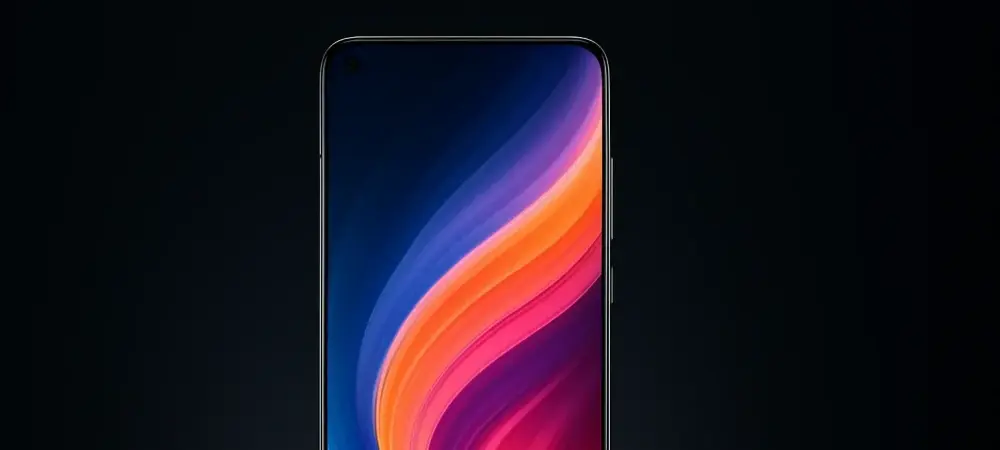
Focusing on the Xiaomi 17 Pro, it features a 6.3-inch LTPO display with a 120Hz refresh rate and ultra-thin 1.1mm bezels. This setup promises an immersive viewing experience, ideal for media consumption and gaming, with minimal distractions from the screen’s edges. The sleek design enhances both functionality and visual appeal, catering to users who value premium aesthetics alongside performance.
The base Xiaomi 17 model, on the other hand, offers a 6.3-inch 1.5K LTPO OLED display, maintaining high quality while potentially being more accessible in terms of pricing. Both models are rumored to carry IP68 or IP69 ratings for dust and water resistance, ensuring durability in various conditions. Additionally, an ultrasonic in-display fingerprint sensor adds a layer of security and convenience to the design.
These specifications highlight Xiaomi’s attention to balancing cutting-edge technology with practical build quality. The emphasis on thin bezels and high refresh rates aligns with current trends in display technology, meeting consumer demands for better visuals. This focus on design and durability makes the series a compelling choice for those seeking a robust yet stylish device.
What Camera Capabilities Does the Xiaomi 17 Series Offer?
Photography enthusiasts will find much to appreciate in the rumored camera setups of this series. The Xiaomi 17 Pro is expected to boast a triple 50-megapixel system, including a primary sensor, a periscope telephoto lens for enhanced zoom, and an ultrawide shooter for expansive shots. This configuration aims to deliver exceptional image quality across diverse shooting scenarios.
The base Xiaomi 17 model is likely to mirror this triple 50-megapixel rear camera setup, ensuring that even the standard variant offers high-end photography options. Additionally, a 32-megapixel front-facing camera is anticipated, catering to selfie and video call needs with sharp clarity. Such specifications position the series as a strong contender for users prioritizing camera performance.
The focus on advanced camera technology reflects a growing consumer demand for versatile imaging tools in smartphones. By equipping all models with high-resolution sensors, Xiaomi ensures that users can capture detailed, professional-grade photos without needing separate equipment. This commitment to multimedia excellence enhances the overall appeal of the lineup.
What Are the Battery and Charging Features of the Xiaomi 17 Series?
Battery life and charging speed are critical for modern smartphone users, and Xiaomi addresses these needs effectively. The Xiaomi 17 Pro is rumored to house a 6,300mAh battery, supporting 100W wired and wireless charging for rapid power-ups. This capacity ensures prolonged usage, even under heavy demand, reducing the need for frequent recharges.
In contrast, the base Xiaomi 17 model is expected to feature an even larger 7,000mAh battery, with 100W wired and 50W wireless charging capabilities. This larger capacity caters to users who prioritize endurance over ultra-fast wireless charging speeds. Both models demonstrate a clear intent to meet varied user preferences regarding power management.
These robust battery specifications and fast-charging options align with the industry shift toward longer-lasting, quicker-recharging devices. By offering such features, Xiaomi ensures that its latest series keeps pace with the demands of a connected lifestyle, where downtime is minimized. This focus on power efficiency adds significant value to the overall user experience.
Summary of Key Insights
The Xiaomi 17 series stands out with its innovative features, from the unique Magic Back Screen on the Pro models to the powerful Snapdragon 8 Elite Gen 5 chipset across all variants. Each model, whether the standard Xiaomi 17, Pro, or Pro Max, brings something distinct to the table, catering to a wide array of user needs. High-quality displays, advanced camera systems, and substantial battery capacities further solidify the lineup’s position in the premium smartphone segment. Key takeaways include Xiaomi’s bold design choices and unwavering focus on performance, setting a benchmark for competitors. The series not only introduces experimental elements like the rear display but also ensures top-tier hardware and software integration for a seamless experience. These aspects highlight a strategic push to challenge industry leaders and meet evolving consumer expectations.
For those eager to dive deeper into specific details or stay updated on global availability, exploring tech forums or following official Xiaomi announcements is recommended. Keeping an eye on further reviews and hands-on experiences post-launch can provide additional clarity on real-world performance. This series marks a significant moment in smartphone innovation, worthy of close attention.
Final Thoughts
Reflecting on the impact of Xiaomi’s latest release, it becomes evident that the blend of pioneering design and elite technology has reshaped perceptions of what a flagship device can offer. The launch in China marked a turning point, showcasing how far smartphone functionality has advanced. This series has set a precedent for balancing aesthetics with raw power, leaving a lasting impression on the tech landscape.
As a next step, potential buyers are encouraged to evaluate how these advancements align with their personal or professional needs. Considering the specific features that matter most—be it camera quality, battery endurance, or unique design—helps in making an informed choice. Keeping abreast of regional release updates also ensures access to this cutting-edge technology at the earliest opportunity.