

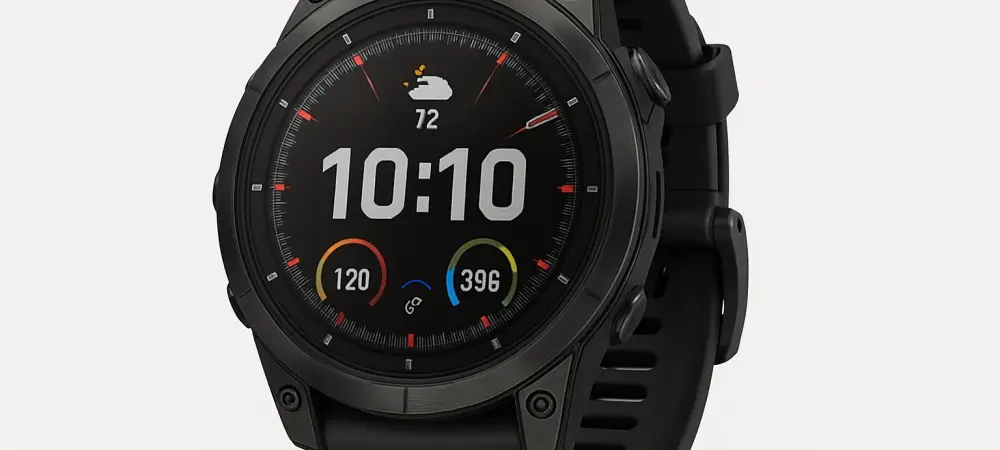
Imagine setting out on a solo trek deep into the wilderness, miles from the nearest cell tower, with only a rugged smartwatch to keep you connected and safe. For outdoor enthusiasts, this scenario underscores the growing need for reliable, independent gear that doesn’t tether users to smartphones. This roundup dives into the buzz surrounding a premium wearable recently launched in the US, compiling insights, reviews, and tips from various industry voices, tech reviewers, and adventure communities. The aim is to provide a comprehensive look at whether this device truly stands as a game-changer for explorers and athletes alike.
Diverse Perspectives on Connectivity and Independence
One of the most discussed features of this smartwatch is its advanced connectivity, particularly the LTE and satellite communication capabilities. Many tech bloggers have highlighted how the ability to make voice calls, send texts, and share locations without a smartphone offers a new level of freedom for adventurers. Community forums for hikers and mountaineers echo this sentiment, noting that the satellite integration through a dedicated messaging service ensures contact in remote regions where traditional networks fail.
However, not all feedback is unanimously positive. Some industry analysts point out the steep starting price of $1,199.99 as a potential barrier, questioning whether the cost aligns with the value of off-grid independence. User reviews on outdoor gear platforms also mention that while the connectivity is groundbreaking, the learning curve for navigating these features can be daunting for less tech-savvy individuals. This split in opinion raises a key debate about accessibility versus innovation.
A third angle comes from safety-focused groups, who applaud the emergency contact options embedded in the device. Reports from wilderness rescue organizations suggest that real-time weather updates and location check-ins have already proven useful in critical situations. This perspective shifts the focus from convenience to necessity, positioning the smartwatch as a vital tool rather than a luxury item for those venturing into uncharted territories.
Display Technology: Brilliance or Overkill?
The dual display options—AMOLED and MicroLED—have sparked varied reactions across tech review circles. Many gadget enthusiasts rave about the MicroLED variant’s brightness, peaking at 4,500 nits, which ensures visibility even under glaring sunlight. Feedback from trail runners and cyclists on social media platforms confirms that the 454×454 pixel resolution, paired with an always-on mode, makes map checks during activities seamless and efficient.
On the flip side, some reviewers argue that the battery life trade-off—27 days for AMOLED versus 10 days for MicroLED—might not justify the higher $1,999.99 price tag of the latter. Tech forums dedicated to wearables often mention that for users prioritizing longevity over visual flair, the AMOLED version offers a more practical choice. This divide highlights a broader question of whether cutting-edge display technology is essential for all adventurers or just a premium perk for a niche audience.
Another viewpoint emerges from casual users who appreciate the clarity but find the size options—47mm and 51mm—somewhat bulky for everyday wear. Comments on e-commerce review sections suggest that while the displays are stunning, the design might not suit smaller wrists or those seeking a less conspicuous look. This feedback adds a layer of consideration for potential buyers balancing aesthetics with functionality during outdoor pursuits.
Performance and Navigation: Redefining Outdoor Utility
When it comes to performance, fitness and navigation features receive widespread acclaim from athletic communities. Trainers and coaches posting on professional networks emphasize tools like endurance scores and dynamic routing as transformative for tailoring workouts and exploring new terrains. Preloaded maps covering diverse global landscapes also earn praise from travel bloggers who value the ability to navigate without additional apps or devices.
Contrasting opinions surface from minimalist adventurers who question the necessity of such an extensive feature set. Some user-generated content on outdoor forums suggests that while the 10ATM water resistance and rugged build are impressive, the sheer volume of data and options can overwhelm users focused on simplicity. This critique points to a potential mismatch between the device’s capabilities and the needs of certain demographics within the adventure space.
A unique take comes from tech analysts tracking wearable trends, who see this smartwatch as a shift toward navigation-driven gear over pure fitness tracking. Articles on industry websites note that the emphasis on detailed mapping and real-time routing reflects a growing demand for devices that serve as standalone exploration tools. This insight suggests that the market may continue evolving in this direction, catering to users who prioritize utility in extreme environments.
Health, Safety, and Everyday Functionality
Health and wellness features, such as ECG monitoring and sleep coaching, are often cited as unexpected bonuses by lifestyle reviewers. Many fitness influencers on video platforms commend the integration of these tools, alongside practical additions like contactless payments, for making the device a versatile companion beyond outdoor activities. This broad appeal is seen as a strength that extends its relevance to urban users with active lifestyles.
Safety features, particularly emergency assistance protocols, draw significant attention from risk-averse adventurers. Feedback from survivalist groups highlights the peace of mind offered by instant access to help in critical moments, a sentiment shared by parents equipping teenage explorers with reliable gear. However, comparisons on tech review sites note that while these safety options are robust, competitors are beginning to offer similar functionalities at lower price points, sparking discussions about unique value propositions.
A differing opinion arises from everyday users who feel that the blend of features transforms the smartwatch into an all-in-one solution but at the expense of specialization. Comments on consumer feedback portals indicate that some believe the focus on health and convenience dilutes the core adventure identity. This perspective invites reflection on whether the push for multifunctionality risks alienating the hardcore outdoor enthusiasts who might prefer a more focused toolset.
Tips and Buying Advice from the Community
For those considering a purchase, community insights offer valuable guidance on navigating the variants and features. Many seasoned adventurers on discussion boards recommend the AMOLED model for budget-conscious buyers or those embarking on longer trips, given its extended battery life. Tips for maximizing power include dimming the display during low-light conditions and disabling non-essential notifications during expeditions.
Another piece of advice circulating among fitness groups is to fully leverage the navigation tools by integrating daily workout plans with mapping features for a cohesive training experience. Reviewers on gear blogs also suggest using satellite check-ins as a safety protocol for solo trips, ensuring loved ones can track progress in real time. These practical pointers help demystify the device’s complex offerings for newcomers to high-end wearables.
A final nugget of wisdom from online communities focuses on aligning the purchase with specific needs rather than hype. Comments across platforms urge potential buyers to assess whether their activities demand the premium MicroLED or if the standard variant suffices for typical hikes and runs. This pragmatic approach, paired with trial periods offered by some retailers, encourages informed decisions tailored to individual lifestyles and budgets.
Reflecting on the Roundup’s Key Takeaways
Looking back, this compilation of perspectives revealed a spectrum of admiration and critique for the premium smartwatch, with connectivity and display technology emerging as standout points of discussion. The consensus among tech reviewers, adventurers, and casual users leaned toward recognizing its innovative edge, though debates on cost and complexity persisted. Safety and navigation capabilities also stood out as defining strengths in feedback from diverse groups.
For those intrigued by this wearable, the next step involves weighing personal priorities—be it budget, battery needs, or specific outdoor demands—against the array of features. Exploring user communities and tech blogs for hands-on experiences proves a valuable move in making an informed choice. Additionally, keeping an eye on how competitors respond to this benchmark in wearable tech offers a broader view of evolving options in the market.