

In an era where premium smartphones often come with staggering price tags, a device that promises flagship-level performance at a fraction of the cost is bound to turn heads. Imagine a phone that rivals the likes of Samsung and Apple in hardware prowess, yet costs significantly less—could this be the game-changer budget-conscious tech enthusiasts have been waiting for? This review dives deep into a compelling contender in the high-end market, exploring its standout features, unmatched value, and the unique challenges it presents to international buyers.
Design and Display: Premium Aesthetics with Innovation
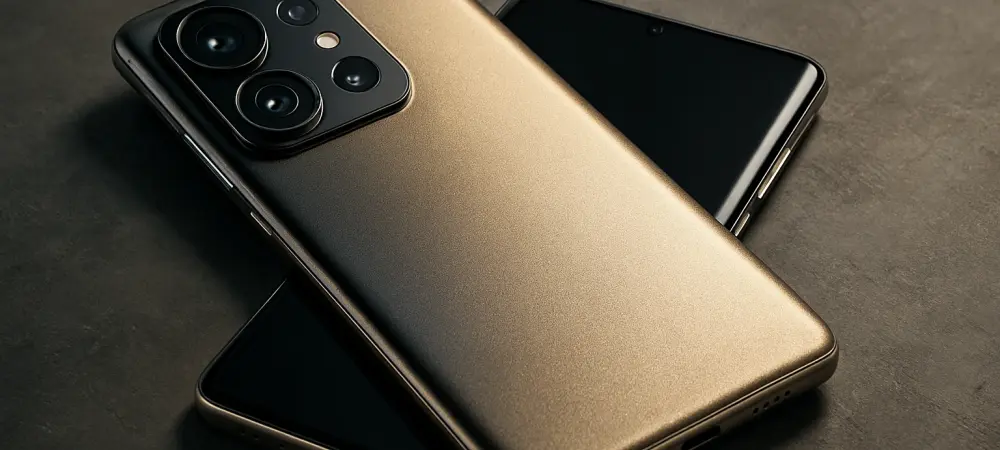
The Xiaomi 17 Pro Max immediately impresses with a design that screams sophistication. Its robust metal housing, paired with nearly invisible bezels, gives it a sleek, modern look that can stand toe-to-toe with any flagship device. The craftsmanship reflects a clear intent to compete in the premium segment, offering a tactile experience that feels both durable and luxurious.
A standout feature is the secondary display on the back, a rare addition that blends functionality with aesthetic flair. This small screen serves practical purposes like displaying notifications or acting as a viewfinder for selfies with the rear camera, adding a layer of convenience. While not essential, it’s a creative touch that sets the device apart in a crowded market.
Performance: Uncompromising Power for Demanding Users
Under the hood, the device is powered by the Qualcomm Snapdragon 8 Elite Gen 5 processor, delivering top-tier performance that handles everything from intensive gaming to seamless multitasking. Benchmark tests place it among the best in its class, ensuring that even the most resource-heavy applications run without a hitch. This makes it a prime choice for users who demand speed and efficiency.
Despite packing a massive battery, the phone’s dimensions and weight remain surprisingly competitive when compared to counterparts from Samsung and Apple. This balance ensures that the device doesn’t feel cumbersome, even during extended use. The hardware configuration, including options up to 16 GB of RAM and 1 TB of storage, further solidifies its position as a powerhouse suited for tech-savvy individuals.
Battery Life: Endurance That Redefines Expectations
One of the most remarkable aspects of this smartphone is its 7,000 mAh battery, a capacity that dwarfs many competitors in the premium segment. Real-world usage demonstrates exceptional endurance, easily lasting through a full day of heavy use—be it streaming, gaming, or productivity tasks—with power to spare. This feature alone makes it a compelling option for users who prioritize longevity over frequent charging.
Charging capabilities are equally impressive, with fast-charging support that minimizes downtime. Whether it’s a quick top-up or a full recharge, the device ensures users spend less time tethered to a power source. This focus on battery performance addresses a common pain point in modern smartphones, setting a high bar for what consumers can expect.
Pricing: Flagship Specs at a Bargain
When it comes to cost, the Xiaomi 17 Pro Max offers an undeniable advantage. Priced at just over $1,200 for the top-tier variant with 1 TB storage and 16 GB RAM at retailers like TradingShenzhen, it significantly undercuts flagship models from major brands that often start above $2,000 for base configurations. This pricing strategy makes premium technology accessible to a broader audience.
The value proposition extends beyond raw numbers, as the specs provided at this price point are often reserved for much pricier devices. For budget-conscious consumers or those seeking high-end features without breaking the bank, this smartphone presents a rare opportunity to own cutting-edge tech at a more reasonable cost.
Target Audience and Practical Use Cases
This device caters to a specific demographic: tech enthusiasts, gamers, and professionals who require robust hardware for demanding tasks. Its powerful processor and expansive storage make it ideal for running complex applications or storing vast amounts of data, while the exceptional battery life supports extended usage without constant recharging.
Beyond raw performance, the phone excels in niche scenarios such as long travel days or outdoor activities where access to power might be limited. Its appeal lies in catering to users who value both capability and endurance, particularly those willing to overlook certain logistical challenges for the sake of superior specs and savings.
Import Challenges: The Cost of Accessibility
A significant hurdle for potential buyers is the lack of official availability in markets like Europe and the US. Since the device must be imported, consumers miss out on local warranty protections, relying instead on retailer-provided policies that may not offer the same level of assurance. This limitation could pose a risk for those unfamiliar with international purchasing.
Software constraints further complicate the experience, as the phone operates on Chinese firmware with notable restrictions. Features like eSIM support are absent, Android Auto compatibility is limited, and language options are confined to English as the sole Western choice. Many pre-installed apps are also unusable outside China, potentially cluttering the interface and detracting from usability.
Additionally, importing introduces extra costs such as duties for US buyers, alongside logistical hurdles like shipping delays or customs issues. These factors can erode the initial price advantage, making the purchase less appealing for some. Consumers must weigh these hidden expenses against the upfront savings before committing.
Future Prospects in Western Markets
Looking ahead, there is potential for Xiaomi to expand the official reach of this model or future iterations into Western markets. Addressing software limitations through updates—such as adding eSIM functionality or broader language support—could significantly enhance its appeal to a global audience. Such improvements would position the brand as a stronger rival to established giants.
If logistical barriers like import duties and local support are mitigated over the next few years, perhaps from now to 2027, the company could capture a larger share of the premium segment. This shift would depend on strategic decisions to prioritize international compatibility and distribution, potentially reshaping perceptions of Xiaomi as a mainstream contender.
Final Verdict and Next Steps
Reflecting on the evaluation, the Xiaomi 17 Pro Max stands out as a formidable device that delivers exceptional design, performance, and battery life at a price that challenges industry norms. However, the complexities of importing and software incompatibilities present notable drawbacks that temper its universal appeal.
For those intrigued by this smartphone, the next step involves carefully assessing personal tolerance for logistical challenges against the allure of cutting-edge features at a lower cost. Exploring detailed user experiences or reaching out to trusted retailers for clarity on warranty terms could provide further guidance. Ultimately, the device carves a niche for tech-savvy buyers ready to navigate these hurdles for a truly powerful and budget-friendly flagship alternative.