

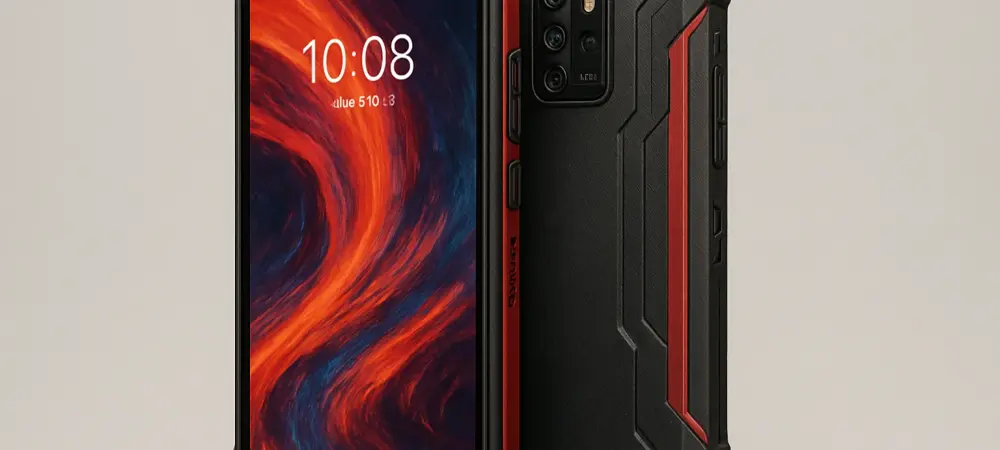
Picture a hiker stranded on a remote mountain trail, miles from any cell tower, with no way to call for help after a sudden injury, and in such dire moments, a smartphone that transcends traditional connectivity barriers could mean the difference between life and death. Enter the Wiko X70, a rugged device by Huawei that promises satellite messaging, a lifeline for those in the most isolated corners of the world. Unveiled in China, this smartphone challenges the norms of durability and functionality, sparking curiosity about whether it can set a new benchmark for rugged tech.
The significance of this device lies in its potential to address a critical gap in modern connectivity. With millions of people—adventurers, field workers, and disaster response teams—often cut off from communication in harsh or remote environments, the need for resilient technology has never been more urgent. The Wiko X70, with its innovative features, isn’t just another gadget; it represents a shift toward making reliable communication accessible to everyone, no matter the circumstances. This story explores how Huawei’s latest offering could reshape expectations and why it matters in today’s hyper-connected yet unpredictable world.
Why Rugged Smartphones with Satellite Features Matter
In a landscape where smartphones are often delicate, the concept of a device that withstands extreme conditions while offering cutting-edge connectivity is revolutionary. The Wiko X70 stands out by integrating satellite messaging through China’s BeiDou system, allowing users to send critical messages without cellular service. For someone lost in the wilderness or caught in a natural disaster, this feature transforms the phone into a vital tool for survival.
Beyond emergencies, the growing reliance on technology in remote industries like mining, construction, and exploration underscores the demand for such innovations. A report by Statista highlights that over 30% of global workers in high-risk environments lack consistent access to communication networks. Devices like this one aim to bridge that divide, ensuring that staying connected isn’t a privilege but a fundamental right, even in the toughest settings.
This focus on resilience paired with advanced tech also signals a broader industry trend. As manufacturers recognize the diverse needs of users beyond urban centers, the push for rugged smartphones with satellite capabilities could inspire a wave of similar products. The question remains whether this Huawei creation can lead the charge in making such technology mainstream.
Exploring the Rising Demand for Durable Connectivity
The digital age has made constant connectivity an expectation, yet vast areas of the globe remain out of reach for traditional networks. Rural regions, disaster zones, and offshore workplaces often leave individuals isolated when communication is most critical. Rugged smartphones are no longer niche; they cater to a wide audience, from outdoor enthusiasts to essential workers who face unpredictable conditions daily.
Huawei’s entry into this space with the Wiko X70 taps into a market projected to grow significantly. Industry forecasts suggest that the rugged smartphone sector could see a 25% increase in demand by 2027, driven by the need for devices that endure physical stress while maintaining functionality. This model, with its robust design and emergency-ready features, positions itself as a timely response to these evolving requirements.
Moreover, the societal impact of such technology cannot be overlooked. When hurricanes or earthquakes disrupt infrastructure, tools that enable communication without relying on ground-based networks become indispensable. This device highlights how tech can adapt to real-world challenges, potentially influencing how safety and reliability are prioritized in smartphone design moving forward.
Unpacking the Wiko X70’s Impressive Specs and Limitations
At the heart of the Wiko X70 lies a suite of features tailored for durability and performance under pressure. The 6.7-inch OLED display, with a 120Hz refresh rate and protected by ultra-durable Kunlun glass, resists drops and scratches with ease, while an IP54 rating guards against dust and water. Add to that a 6,100mAh battery with 40-watt fast charging, and the phone promises days of use without a power source—a boon for those off the grid.
Photography doesn’t take a backseat either, with a 50-megapixel main camera and a 32-megapixel front camera capturing clear images even in rugged conditions. Available in configurations up to 12GB RAM and 512GB storage, alongside 5G and dual SIM support, it packs a punch for its starting price of roughly $200 in China. NFC functionality further ensures contactless payments remain an option, no matter the environment.
However, compromises exist. The absence of wireless charging and a slow USB 2.0 port for data transfers may frustrate tech-savvy users expecting modern conveniences. These trade-offs reflect a clear focus on toughness over luxury, but they raise questions about whether the balance struck will satisfy a broader audience or limit its appeal to a specific niche.
What Experts and Early Users Say About Its Potential
Feedback from the tech community paints an optimistic picture of the Wiko X70’s impact. A prominent analyst from a major Chinese tech journal remarked, “The integration of BeiDou satellite messaging isn’t just innovative—it’s a practical solution for real-world crises, setting a precedent for accessibility in rugged devices.” Such endorsements highlight the phone’s unique positioning in a crowded market.
Early adopters have also shared compelling stories of resilience. One user described dropping the device from a height of two feet onto a concrete surface, only to find the Kunlun glass unscathed, reinforcing claims of durability. These firsthand accounts suggest that Huawei has delivered on its promise of a smartphone built to endure the harshest scenarios without faltering.
Still, accessibility remains a hurdle. Limited to the Chinese market, the device’s global impact is uncertain, leaving international users curious but sidelined. Industry watchers speculate that if Huawei expands availability, the Wiko X70 could challenge competitors to elevate their own rugged offerings, potentially sparking a race for innovation in this space.
Practical Applications and Key Considerations for Users
For those whose lifestyles or professions demand unyielding tech, the Wiko X70 offers tailored solutions. Outdoor adventurers can rely on satellite messaging to send distress signals from remote trails, while construction workers benefit from a build that withstands daily wear and tear. Disaster response teams, too, could coordinate efforts post-calamity using a device that doesn’t falter when networks fail.
Practicality extends to its long-lasting battery, ensuring power isn’t a concern during extended missions or travel. Yet, potential buyers must weigh the drawbacks—slow data transfer speeds via USB 2.0 might hinder efficiency for some, and the lack of wireless charging could be a dealbreaker for others accustomed to such features. Assessing personal priorities is crucial before considering this smartphone.
Availability poses the biggest challenge. Restricted to China, sourcing the device internationally requires navigating unofficial channels, which may deter many. For now, keeping tabs on Huawei’s announcements for a possible global rollout is advisable, as is evaluating whether the phone’s emergency-focused design aligns with specific needs over conventional flagship alternatives.
Looking back, the journey of the Wiko X70 reveals a compelling blend of innovation and pragmatism, proving that smartphones can serve as lifelines in the most unforgiving conditions. Its satellite connectivity and rugged build address real gaps in communication, offering solutions where others fall short. Moving forward, the challenge lies in expanding access—urging Huawei to consider a wider release so more users can benefit. Additionally, other manufacturers might take note, integrating similar emergency features into their designs. The path ahead involves not just celebrating this device’s achievements but advocating for a future where durable, connected tech becomes a standard, not an exception, for all who need it most.