

In an era where technological advancement confronts the need for portability, smartphone consumers face a critical dilemma. Many users seek compact devices that satisfy their on-the-go lifestyle without sacrificing powerful capabilities and high-end features. As companies strive to innovate within increasingly demanding market conditions, the question looms large: can compact design truly coexist with cutting-edge technology?
Compact Yet Mighty: The Rise of Feature-Rich Smartphones
With the prevalence of consumer preferences shifting year after year, the demand for compact yet feature-rich smartphones continues to dominate the industry discussion. Many users desire mobile devices that offer convenience in size while maintaining the versatility and performance akin to larger models. This trend indicates a growing shift toward smartphones that balance ease of use and technological sophistication, allowing for seamless functionality without the bulk.
Uncovering the Features of the Xiaomi 16 Pro Mini
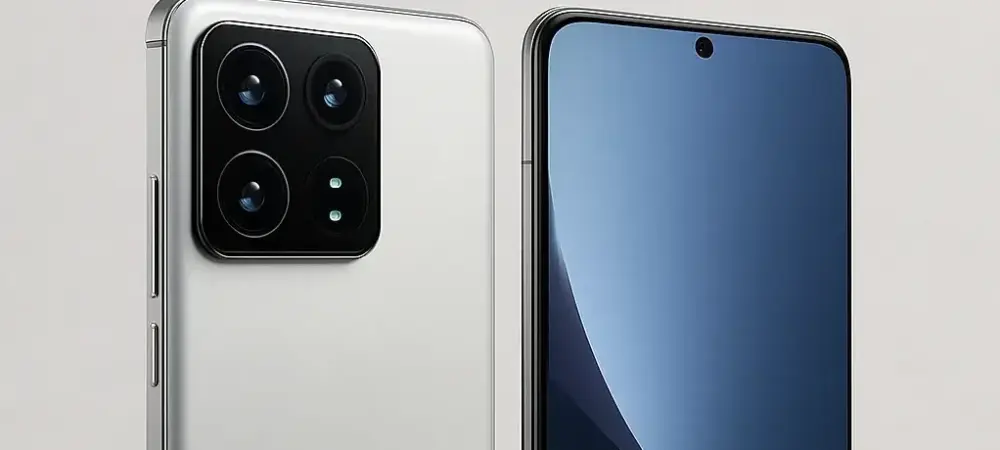
The Xiaomi 16 Pro Mini emerges onto the scene, flaunting design innovations that cater to this growing demand. Its compact 6.3-inch display positions it as a scaled-down counterpart to the standard Pro model, offering unique visual elements without compromising the user experience. An advanced periscope telephoto camera reflects Xiaomi’s pursuit of high-end photography capabilities—a clear distinction within the series’ lineup. Further showcasing a possible strategic edge, the Pro Mini’s distinctive camera module design and rumored feature adjustments signal an attempt to remain competitive within the flagship market.
Expert Views on the Xiaomi 16 Pro Mini’s Market Impact
Respected sources like Digital Chat Station offer insights into the Xiaomi 16 Pro Mini’s anticipated influence on market dynamics. Many tipsters highlight its compact nature paired with a robust camera setup as particularly promising for consumer appeal. Testimonials from early reviewers affirm the Mini’s ability to satisfy user preferences that prioritize portability alongside stellar performance, reinforcing its potential impact in a crowded landscape where differentiation and technological merit remain key.
Maximizing the Benefits: Practical Uses of the Xiaomi 16 Pro Mini
For consumers eager to leverage the Xiaomi 16 Pro Mini’s innovative design and camera features, strategic considerations guide its effective application. Those favoring photography can explore the sophisticated functionalities that facilitate capturing high-quality images under diverse conditions, while individuals seeking portability can revel in the ease of operation afforded by the downsized frame. Emphasizing specific attributes like advanced optical zoom will allow users to tailor their experience to match personal priorities—an increasingly attractive proposition in a competitive marketplace.
Future Horizons: Embracing Innovation in Compact Design
The introduction of the Xiaomi 16 Pro Mini heralded a progression toward responsive smartphone solutions that addressed consumer demands. It served as a beacon for broadening product portfolios without compromising on size or technological prowess. As the industry moves forward, lessons drawn from the Mini’s positioning offer smart strategies for maintaining innovation while prioritizing consumer-centric development, paving a path toward next-generation technology where compactness meets comprehensive performance seamlessly.