

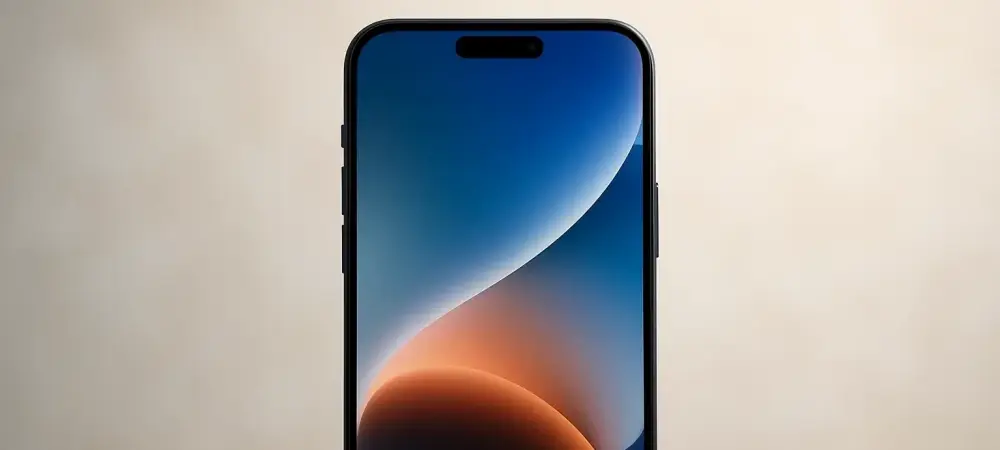
In today’s fast-paced tech world, few possess the depth of understanding of emerging trends and technologies like Dominic Jainy. With a keen grasp of artificial intelligence, machine learning, and blockchain, Dominic stands out as a notable voice when it comes to the convergence of cutting-edge innovations like smartphones. Today, we delve into what awaits us with the much-anticipated iPhone 17.
Can you confirm the rumor about the iPhone 17 featuring a larger display than the iPhone 16?
Indeed, the iPhone 17 is expected to sport a slightly larger display compared to the iPhone 16. Rumors and leaks, particularly from platforms like Weibo, have hinted that the display could be as large as the iPhone 16 Pro’s 6.3 inches.
Could you provide details on the anticipated specifications and size of the iPhone 17’s display?
The iPhone 17’s display is expected to be 6.3 inches, a significant upgrade from prior models. This change aligns with Apple’s trend of increasing screen sizes to enhance the user experience. The move to larger screens across their devices is gaining traction as users demand more immersive interactions.
What specific changes should we expect in the iPhone 17’s display compared to the iPhone 16’s display?
Beyond the size, a notable change in the iPhone 17’s display is its anticipated shift to a 120Hz refresh rate. This enhancement will bring smoother scrolling, superior responsiveness, and overall better visuals—elevating activities like gaming and video playback to new levels.
Is there any truth to the rumor that the iPhone 17 will sport a 120Hz display? What advantages does this offer to users?
Yes, it appears the iPhone 17 will finally introduce the 120Hz display to Apple’s non-Pro models. This uptick in refresh rate promises a slicker, more fluid user interface. It’s particularly beneficial for gaming, as it allows for faster frame rates, and general usage feels much more responsive.
How does the iPhone 17 display compare to that of the iPhone 17 Pro in terms of features and specifications?
While the iPhone 17 series will feature 120Hz displays, the Pro models may still hold some exclusive enhancements. This could include more advanced adaptive refresh rate technology and possibly other features like always-on display capabilities, which might not fully trickle down to the standard models.
Has there been any official confirmation or indication from Apple regarding the new display features?
No official confirmation has come from Apple yet. As usual, Apple tends to keep its announcements under wraps until closer to an event, leaving room for speculation based on leaks and expert analysis.
Previous leaks suggested Spigen’s products point to a 6.3-inch screen for the iPhone 17. How credible are these claims?
The feasibility of Spigen’s product listing hinted at a 6.3-inch screen, aligning with similar leaks. Such inadvertent confirmations from accessory manufacturers are often reliable since they prepare these products based on the actual device specifications ahead of launches.
Are there any additional features or upgrades expected for the iPhone 17 display aside from the increase in size and refresh rate?
Aside from size and refresh rate improvements, the iPhone 17 might also employ Samsung’s cutting-edge M14 OLED panels, which promise enhanced display quality through superior color reproduction and energy efficiency.
Could you elaborate on the expected use of Samsung’s M14 OLED panels in the iPhone 17 and iPhone 17 Air?
Samsung’s M14 OLED panels are poised to enhance the iPhone 17 and 17 Air displays significantly. Known for their incredible color accuracy and energy-saving capabilities, these panels will likely offer brighter, more vivid displays while increasing battery efficiency—allowing users to enjoy more without frequent charging.
How does the introduction of the M14 OLED panels enhance the performance or display quality of these models?
The M14 OLED panels are expected to provide not just better color fidelity but also improve power management. They achieve this by utilizing more efficient pixel management technology that optimizes power consumption without compromising on brightness or clarity, thereby enhancing overall usability.
In your opinion, why is Apple choosing to implement the 120Hz display for its base models at this time?
Apple’s decision to introduce the 120Hz display in its base models could be a strategic move to stay competitive. As other manufacturers have already adopted high-refresh screens, this update allows Apple to maintain its position as a leader in smartphone innovation, catering to consumer demand for premium experiences even in entry-level models.
What are some of the challenges Apple faces with the inclusion of 120Hz displays across its lineup?
One challenge lies in balancing the performance with battery life. Higher refresh rates can be power-intensive, so ensuring that the 120Hz displays don’t compromise battery performance while maintaining affordability will be a key focus for Apple.
The iPhone 17’s display is anticipated to share characteristics with the iPhone 16 Pro. How will this affect market positioning?
By aligning the iPhone 17’s display with the iPhone 16 Pro, Apple may blur the lines between its base and Pro models, re-strategizing its market segmentation. This could lead to more consumers opting for base models, expecting similar premium quality at a lower price point.
Are there any anticipated limitations to the display features on the iPhone 17 compared to the Pro models?
While the iPhone 17 adopts several new display traits, limitations are likely to exist to preserve the Pro model’s exclusivity. These may include restricted advanced features like the fully adaptive refresh rate and potentially less sophisticated HDR support.
Can you share any additional insights into the potential pricing or market strategy for the iPhone 17 based on its display features?
Pricing will likely see an adjustment to accommodate the new features while ensuring competitiveness. Apple might focus on delivering advanced display technology at more accessible price points to broaden their consumer base.
Have there been any updates or leaks regarding the color options for the iPhone 17 models?
While specific color details remain speculative, it’s often anticipated that Apple will offer fresh palette choices to differentiate the new models, adding an element of personalization and visual appeal.
What is your forecast for the smartphone display technology landscape in the coming years?
I foresee an increasingly prevalent shift toward higher refresh rates and optimized OLED technologies becoming mainstream, even in mid-range devices. As tech evolves, displays will not only be about visual performance but also about how interfaces communicate experiences seamlessly, all while conserving energy.