
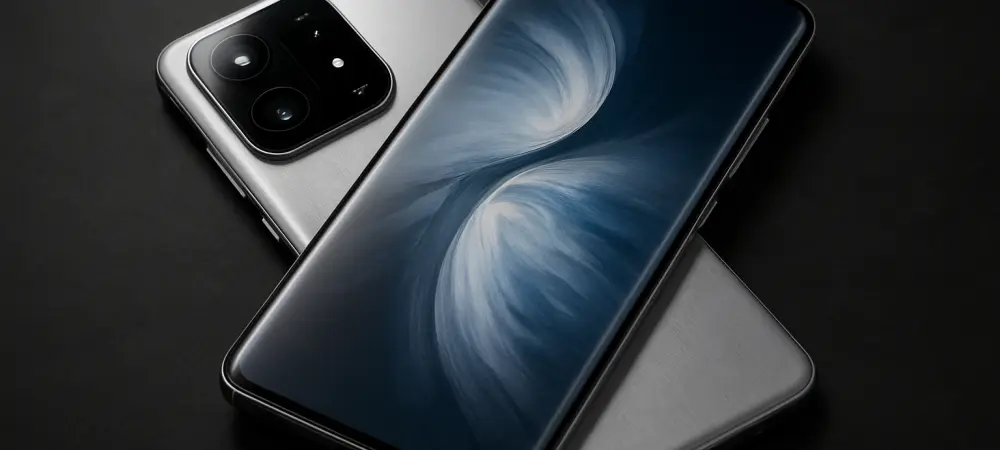
Xiaomi 16 Pro Max Unveils Unique Rear Secondary Display

Article Highlights
Off On

In an era where smartphone innovation often feels incremental, a leaked glimpse of an upcoming flagship device has sparked considerable excitement among tech enthusiasts and industry watchers alike, especially with Xiaomi’s highly anticipated 16 series promising to push boundaries. This particular smartphone, part of a lineup set to debut in China soon, introduces a striking element that could redefine user interaction and aesthetic appeal in the premium segment. Shared online by a notable tipster, the first look at this device reveals a blend of cutting-edge technology and bold design choices, setting the stage for a deeper exploration of what Xiaomi has in store. As anticipation builds, the focus shifts to how this feature might influence the competitive landscape and whether it will resonate with a global audience seeking something truly different in their next device. The industry watches closely, eager to see if this gamble pays off.

A Glimpse into Innovative Design and Powerhouse Specs

Delving into the specifics, the standout feature of this flagship model is a secondary display integrated into the rear panel, a concept that harks back to earlier experimental designs but feels refreshingly novel in today’s market. This rear screen, positioned alongside a sophisticated camera module, offers potential for unique functionalities, such as displaying notifications or acting as a viewfinder for selfies, all without flipping the device. Beyond this, the design showcases a sleek, flat back with rounded corners and a modern aesthetic, available in elegant purple and white color options. On the technical front, the device is rumored to be powered by the Qualcomm Snapdragon 8 Elite 2 chip, positioning it at the forefront of performance capabilities. Additionally, whispers of HyperOS 3, robust battery capacity, and rapid charging certification hint at a package built for power users. As part of a broader series expected to include multiple variants, this model aims to carve out a distinct identity with its blend of innovation and premium craftsmanship, potentially setting a new standard for what flagship smartphones can offer.

Explore more

ARPA-H Invests $32M in Autonomous Robotic Stroke Treatment

Redefining the Race: The Clock in Stroke Intervention When a blood clot suddenly lodges in a cerebral artery, the human brain begins to lose roughly two million neurons every single minute that the obstruction remains in place. This reality defines the urgency behind a $32 million investment from the Advanced Research Projects Agency for Health (ARPA-H). The funding targets Magnendo,

Guide Ranks the Best Small Business Payroll Software for 2026

The moment an entrepreneur realizes that a simple decimal error in a payroll run could trigger a massive federal audit is usually the exact second they stop viewing their software as a luxury and start seeing it as an essential protective shield. In the current landscape, the margin for error has narrowed significantly, as state and federal tax authorities have

Can AI Ever Replace Human Intuition in Modern Hiring?

A seasoned hiring manager tosses a candidate’s profile aside while claiming the person simply did not have the right energy, leaving a nearby data analyst completely baffled. To an advanced artificial intelligence, this feedback is a dead end—a vague data point that offers no actionable insight for a machine-learning model. To a veteran recruiter, however, this phrase is a coded

AI Hiring Tools Are Now a Major Security Risk for CIOs

The unassuming PDF file sitting in a digital stack of applications has quietly evolved from a static career summary into a sophisticated piece of executable code capable of hijacking enterprise logic. For decades, recruitment software lived in the relative safety of the back office, primarily serving as a repository for record-keeping and workflow automation. However, the rapid integration of artificial

AI and Remote Work Fuel a Costly Crisis in Hiring Integrity

The polished professional currently answering technical questions on a high-definition video call might actually be an elaborate digital facade powered by a sophisticated network of hidden AI agents. Recruitment processes that once relied on physical cues and verified histories have been subverted by a wave of technological deception that threatens the very core of corporate integrity. As organizations expanded their