

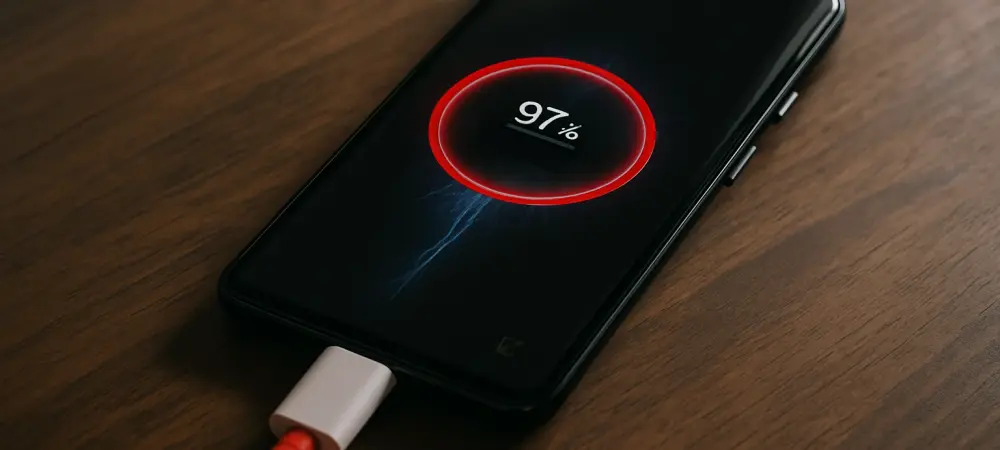
Imagine a world where a smartphone battery can be fully charged in under 20 minutes, transforming how daily routines unfold with unprecedented convenience. In the fast-paced realm of Android flagships, charging speed has become a defining factor for consumer choice, and OnePlus is stepping up with its latest innovation. The OnePlus 15, a much-anticipated device from the Chinese manufacturer, promises to push boundaries with cutting-edge charging technology. This review delves into the specifics of this advancement, exploring how it stands to redefine convenience in the competitive smartphone market. The focus here is on the confirmed upgrades over its predecessor, the OnePlus 13, and the broader implications for users and the industry at large.
Key Features of the OnePlus 15 Charging System
Wired Charging Boost to 120 W
The standout feature of the OnePlus 15 lies in its wired charging capability, certified at an impressive 121 W, though marketed as 120 W. This marks a notable leap from the 100 W charging speed of the OnePlus 13, offering users the potential to recharge a substantial battery capacity in record time. Such an upgrade could mean the difference between waiting anxiously for a device to power up and seamlessly integrating a quick charge into a busy schedule.
Technically, this enhancement suggests improvements in power delivery systems and battery architecture within the OnePlus 15. Faster charging often requires sophisticated thermal management to prevent overheating, and early indications point to OnePlus refining these aspects. For users, this translates to less downtime, whether topping up before a meeting or during a short break, setting a new benchmark for flagship convenience.
Safety and Certification Standards
Beyond raw speed, the reliability of the OnePlus 15’s charging technology is underscored by a TÜV SÜD certification for the model identified as CP##747. This independent validation ensures that the device meets stringent safety and performance criteria, a crucial factor in high-wattage charging systems. It reassures consumers that the technology has been rigorously tested to prevent issues like overcharging or electrical faults.
This certification also positions OnePlus favorably against competitors in the Android flagship arena, where trust in fast-charging solutions can sway purchasing decisions. The stamp of approval from a recognized authority like TÜV SÜD highlights a commitment to quality, potentially elevating the brand’s reputation for delivering safe and dependable innovations.
Industry Dynamics Fueling Charging Innovations
The drive toward faster charging in devices like the OnePlus 15 reflects a broader trend in the smartphone industry, where efficiency has become a key differentiator. As hardware upgrades in areas like processors and cameras become more incremental, manufacturers are focusing on features that directly impact user experience, with charging speed at the forefront. This shift responds to consumer demands for devices that keep pace with increasingly mobile and time-sensitive lifestyles.
Competition among Android flagships further accelerates this race, as brands strive to outdo each other with tangible improvements. Unlike some recent releases from other manufacturers that offer only minor updates, OnePlus appears committed to delivering meaningful advancements, particularly in power management. This focus aligns with a growing expectation that smartphones should minimize downtime, making charging technology a critical battleground for market share.
Real-World Benefits of Enhanced Charging Speeds
The practical implications of the OnePlus 15’s 120 W charging are significant for a wide range of users. For busy professionals, a quick 10-minute charge could provide enough power for hours of calls and emails, eliminating the stress of a dying battery during critical moments. Gamers, too, stand to benefit, as minimal charging breaks mean more uninterrupted playtime, enhancing the overall experience.
Beyond individual use cases, this upgrade could reshape expectations in the flagship segment, where speed and convenience are increasingly non-negotiable. Consumers may begin to view slower charging as outdated, pressuring other manufacturers to match or exceed these capabilities. The ripple effect could redefine daily interactions with smartphones, making power management less of a chore and more of a seamless feature.
Potential Drawbacks of High-Wattage Charging
Despite the allure of rapid charging, the OnePlus 15’s 120 W system is not without potential challenges. High-speed charging can accelerate battery degradation over time, reducing long-term capacity if not managed properly. While modern devices often include protective software to mitigate this, users might still need to adopt mindful charging habits to preserve battery health.
Heat generation remains another concern, as pushing high power through a compact device can lead to elevated temperatures. Effective cooling solutions will be essential to ensure safety and comfort during charging sessions. Additionally, the need for specific chargers and cables compatible with this speed could limit flexibility, potentially requiring users to invest in proprietary accessories.
Future Directions for OnePlus Power Technology
Looking ahead, the trajectory of charging technology in OnePlus devices appears poised for further innovation beyond the OnePlus 15. Speculation points to even higher wired charging speeds or significant strides in wireless charging capabilities in the coming years. Such advancements could further blur the lines between wired and wireless convenience, offering users unprecedented flexibility.
Emerging technologies, such as advanced battery chemistries or integrated energy management systems, might also play a role in future iterations. These developments could address current limitations like heat and wear, while maintaining OnePlus’s competitive edge. The long-term impact may well influence industry standards, nudging the market toward a future where charging ceases to be a bottleneck in smartphone usage.
Final Thoughts on OnePlus 15 Charging Advancements
Reflecting on the evaluation, the OnePlus 15’s leap to 120 W wired charging stands out as a defining upgrade that addresses key consumer needs for speed and efficiency. The TÜV SÜD certification adds a layer of trust, affirming the technology’s reliability in a crowded flagship market. This advancement positions OnePlus as a serious contender, challenging norms and setting a high bar for competitors.
Moving forward, attention should turn to how OnePlus balances these high-speed capabilities with battery longevity and thermal management in real-world usage. Exploring complementary technologies, such as eco-friendly charging solutions or universal compatibility standards, could further solidify the brand’s leadership in this space. For consumers and industry watchers alike, monitoring these next steps will be crucial to understanding the evolving landscape of smartphone power innovation.