

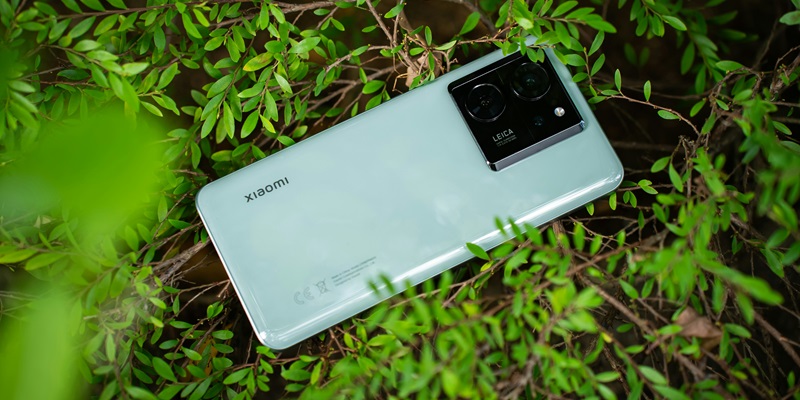
A wave of speculation and excitement has swept the tech community as rumors and leaks regarding the Xiaomi 14T series have begun to surface. Despite the lack of an official announcement from Xiaomi, a hands-on video allegedly showing the design of the upcoming smartphones made its way onto social media platforms like TikTok before being swiftly removed. This video has offered a tantalizing glimpse into what could be the next big release from Xiaomi, showcasing a design aesthetic closely resembling the Redmi K70 Ultra, specifically a square-ish camera bump on the rear housing three cameras.
Leaked Design Insights
Design Inspired by Redmi K70 Ultra
The hands-on video gives viewers a detailed look at the design elements of the Xiaomi 14T and 14T Pro, which reveal a striking resemblance to the Redmi K70 Ultra. The cameras on the back are arranged in a square-ish bump, with three sensors included, maintaining a modern and cohesive design language. The resemblance between the two models is not just limited to the camera arrangement but extends to the overall dimensions and physical characteristics.
Both the Xiaomi 14T and 14T Pro models appear to have similar sizes, a pattern Xiaomi followed last year with the Xiaomi 13T and 13T Pro editions. This strategic choice likely aims to streamline production processes and offer consumers a consistent experience when handling either model. Despite having similar exteriors, it’s the internal components where the substantial differences are expected, aligning with the brand’s strategy of providing varied performance options under the same design umbrella.
Color Options and Aesthetic Choices
The video hints at the possible color options for the series, potentially introducing Titanium Black and Titanium Grey. It’s important to note that the term "Titanium" in the color names doesn’t necessarily imply a titanium frame for the devices; it’s more of an aesthetic label. This choice of colors signifies a shift towards more subdued, elegant hues that could appeal to a more sophisticated consumer base.
These color options also suggest that Xiaomi is sticking to a formula that balances aesthetic appeal with cutting-edge technology. While the aesthetics may draw initial interest, it’s the promises of robust performance and advanced camera features that keep consumers engaged. This dual appeal could prove to be a winning strategy, especially in an overly saturated market where standing out necessitates a blend of both style and functionality.
Speculation on Internal Specifications
Differentiating Through Chipset and Performance
Leaked information from the past month suggests that the Xiaomi 14T series will primarily differentiate itself through internal specifications. The more advanced 14T Pro is rumored to come equipped with the Dimensity 9300+ chipset, mirroring the powerful capabilities of the Redmi K70 Ultra. On the other hand, the standard 14T will reportedly house the Dimensity 8300-Ultra, offering a more balanced yet capable performance for users not needing the high-end specifications of the Pro model.
This strategic differentiation allows Xiaomi to cater to varied market segments, from tech enthusiasts seeking top-tier performance to ordinary consumers looking for reliability. Maintaining similar external designs while varying the internal components allows the brand to streamline manufacturing processes and keep costs manageable. This approach ensures that every type of user, whether focused on performance or budget, feels catered to within the Xiaomi ecosystem.
Camera and Other Features
Another predicted variation between the 14T and 14T Pro models lies in their camera configurations. While both phones are expected to feature a triple camera layout on the back, the Pro version is likely to boast superior camera sensors and advanced imaging features. This differentiation aligns with patterns observed in previous Xiaomi releases, where the Pro models offer incremental upgrades and enhanced functionalities over the standard versions.
The possibility of advanced camera features will undoubtedly attract photography enthusiasts and content creators who prioritize superior image quality and versatility. Additionally, other features such as battery capacity, fast charging capabilities, and screen quality may also see slight upgrades in the Pro model, further justifying its higher price point. As the official launch nears, these speculations bring forth an intriguing mix of expectations around the Xiaomi 14T series.
Industry Trends and Xiaomi’s Strategy
Incremental Upgrades and Market Positioning
The approach adopted by Xiaomi with the 14T series aligns seamlessly with broader industry trends of offering incremental upgrades and aesthetic evolutions in successive models. This method ensures that consumers see compelling reasons to upgrade without feeling overwhelmed by radical changes. Maintaining similar dimensions between standard and Pro models while varying internal specs allows Xiaomi to cater to both premium users and those looking for more affordable yet reliable options.
This strategy is not unique to Xiaomi but is reflective of a wider industry trend where many manufacturers are adopting a more methodical approach to design and feature refinement. By doing so, they can keep the production efficient while also ensuring a consistent user experience across different models and price points. This trend of incremental upgrades helps in building a cohesive brand identity while also avoiding the pitfalls of experimental designs that may not resonate well with the market.
Awaiting the Official Unveiling
The tech community is buzzing with speculation and excitement as rumors about the Xiaomi 14T series start to circulate. Even without an official announcement from Xiaomi, a hands-on video claiming to feature the upcoming smartphones appeared on social media sites like TikTok but was quickly removed. This video has provided a sneak peek, sparking further interest in what could be Xiaomi’s next major release. The design showcased in the video closely mirrors that of the Redmi K70 Ultra, with a distinctive square-ish camera bump on the back housing three cameras.
Additionally, this design direction hints at Xiaomi’s commitment to refining aesthetic elements while possibly incorporating cutting-edge technology. Industry insiders are particularly intrigued by how these leaks might impact Xiaomi’s market position, especially in relation to competitors. The rapid removal of the video only adds to the intrigue, prompting many to speculate on the reasons behind the secrecy. As anticipation builds, the leaked design details serve to heighten interest, making the tech world eagerly await Xiaomi’s next move.