

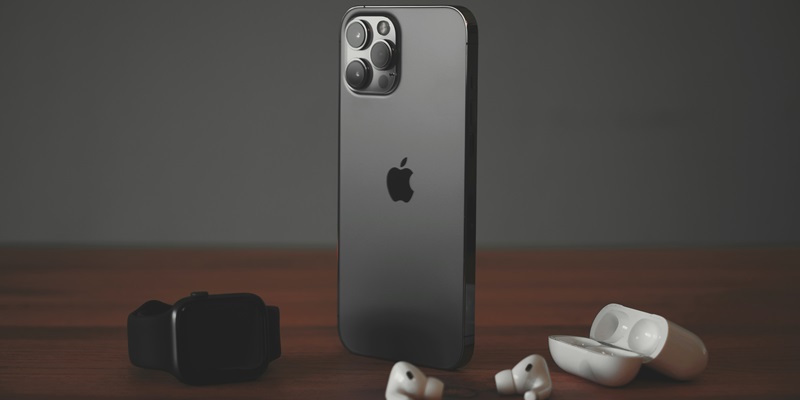
As the tech world eagerly anticipated, Apple has launched its latest iPhone 16 and iPhone 16 Plus, making bold claims about improved battery replacement processes due to a "reengineered internal design." These advancements come on the heels of rumors from earlier this year, suggesting that Apple was looking to streamline battery servicing possibly influenced by stringent regulations from the European Union. While specifics were not disclosed by Apple regarding the exact nature of these changes, upcoming detailed teardowns are expected to reveal the innovations behind these claims.
Innovative Internal Design
Streamlined Battery Replacement
At the core of Apple’s recent launch lies the promise of an easier battery replacement process, a significant shift from previous models. Historically, Apple devices have been notorious for their challenging battery replacements, often encumbered by robust adhesive and fragile pull tabs. This difficulty sometimes necessitated hazardous techniques, such as the use of heat guns or isopropyl alcohol, to safely remove batteries. Apple’s announcement suggests that the new internal design aims to alleviate these issues, making battery maintenance less daunting for users and technicians alike.
One of the notable advancements could be the possible implementation of ‘electrically induced adhesive debonding’ technology. This innovative approach to battery separation employs a low electrical current to break down the adhesive bonds holding the battery in place, thereby simplifying the removal process. If this technology is indeed part of the new design, it would mark a substantial leap forward in user-friendly repairability. Additionally, the reengineered layout is said to enable better thermal management and the inclusion of larger batteries, further enhancing device performance and longevity.
User Experience and Thermal Management
The reengineering of the iPhone 16’s internal structure is not solely dedicated to battery replacement. Apple’s overhaul extends to improving overall thermal management, which is critical for both device performance and battery health. Enhanced thermal management helps prevent overheating, which can degrade battery life and adversely affect the device’s functionality. This holistic approach ensures that the iPhone 16 not only keeps up with modern demands for efficient performance but also prioritizes the long-term health of its components.
These efforts underscore Apple’s commitment to refining the user experience by addressing one of the most common pain points: battery degradation and replacement. With larger batteries and better thermal management, users can expect their devices to run more efficiently, with fewer interruptions caused by overheating or rapid battery drainage. As the specifics of these design improvements await validation through teardowns and reviews, the preliminary information indicates a positive step forward.
The "Its Glowtime" Event Highlights
iPhone 16 and Design Updates
Apple unveiled the iPhone 16 series during its "Its Glowtime" event, coupled with the announcement of the Watch Series 10 and AirPods 4. As the spotlight centered on the iPhone 16, attendees and viewers noted significant design refreshes that set this model apart from its predecessors. One of the standout updates is the inclusion of a new "Capture button." This feature has garnered positive initial feedback for its utility and convenience, reflecting Apple’s continuous evolution in fine-tuning device functionality and user interfaces.
The event put on display Apple’s persistent drive to innovate, with design being a focal point. The iPhone 16 models showcased not only aesthetic enhancements but also practical improvements aimed at user satisfaction. The refreshed design looks to address previous criticisms and aims to offer a more seamless and enjoyable user experience. Moreover, the anticipation surrounding how these changes affect the overall functionality and user interaction keeps the excitement palpable in the tech community.
Watch Series 10 and AirPods 4
Apart from the iPhone 16 series, Apple’s event also introduced the Watch Series 10 and AirPods 4, each receiving their share of updates and enhancements. The Watch Series 10 comes with advanced health monitoring features and improved battery life, cementing its place as a leader in the smartwatch segment. Similarly, the AirPods 4 have been updated to offer better sound quality, increased battery life, and enhanced connectivity options. These devices complement the iPhone 16 series’ emphasis on improved user experience and technological advancements.
Apple’s strategic moves in synchronizing updates across its product lineup demonstrate its holistic approach to ecosystem integration. By improving interconnected devices simultaneously, Apple ensures that the user experience is optimized across the board. From seamless connectivity to shared features that enhance daily use, the upgrades presented at the "Its Glowtime" event reaffirm Apple’s commitment to setting industry standards and pushing technological boundaries.
Regulatory Compliance and Strategic Innovation
Adapting to Evolving Regulations
A significant underlying theme in Apple’s latest innovations is the alignment with evolving regulatory landscapes. The European Union has been particularly stringent with tech companies, imposing regulations aimed at ensuring consumer rights and environmental sustainability. Apple’s advancement towards more straightforward battery replacements could be a proactive response to such regulatory pressures. By adopting designs that facilitate easier maintenance, Apple not only complies with regulations but also sets a new benchmark for the industry.
Moreover, simplifying battery servicing aligns with broader environmental goals by potentially extending the lifespan of the devices, thus reducing electronic waste. Users who can easily replace their batteries are less likely to discard their devices prematurely. This alignment with regulatory demands and environmental consciousness reflects Apple’s adaptive strategy and foresight in navigating the dynamic global market.
Future Prospects and Technological Advancements
Apple has made a noteworthy entrance into the tech world with the unveiling of the iPhone 16 and iPhone 16 Plus. The company has highlighted significant improvements in battery replacement due to a "reengineered internal design." This launch follows speculations earlier this year that Apple aimed to simplify battery servicing, possibly in response to stringent EU regulations. These regulations might have prompted Apple to rethink its battery design to make servicing easier. However, Apple has not provided detailed information about these changes. Enthusiasts and tech experts eagerly await comprehensive teardowns to uncover the exact innovations and modifications that have contributed to these claims. With Apple’s history of innovation, the new iPhone models are expected to set new standards in smartphone technology. As consumers get their hands on these devices, it will be fascinating to see how the reengineered design impacts user experience and the practicalities of device maintenance. Analysts predict that the improved battery servicing could be a significant selling point, especially for users who prioritize longevity and ease of repair.