

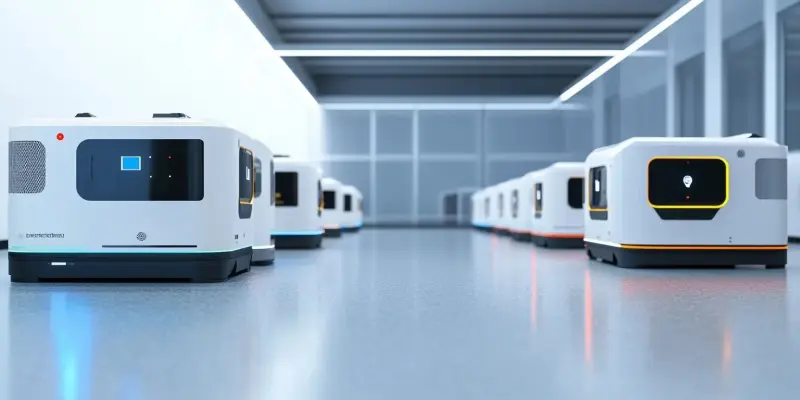
Intelligent Automation (IA) and Robotic Process Automation (RPA) have increasingly become pivotal elements in contemporary workplaces, transforming tasks and enhancing productivity. Initially confronted with skepticism and concerns about job security, these technological advancements have demonstrated significant positive impacts on employee satisfaction. By transitioning from monotonous, routine tasks to more engaging and strategic responsibilities, IA and RPA are redefining the modern work environment and empowering employees to use their talents more effectively.
Positive Impact on Employee Satisfaction
A compelling revelation from a Forbes Insight survey of 302 senior executives highlights the remarkable outcomes of RPA and IA implementation in diverse organizational settings. According to the survey, 92% of organizations experienced enhanced employee satisfaction post-automation, with 52% noting an increase of over 15% in employee happiness. These findings unequivocally underscore the transformative impact of RPA and IA on worker contentment and morale.
At the heart of this satisfaction boost lies the reallocation of tasks that automation facilitates. By offloading repetitive and mundane daily chores, employees gain the opportunity to engage in high-value activities that are both intellectually stimulating and rewarding. This shift not only enhances job satisfaction but also allows employees to make more meaningful contributions to organizational goals, driving a sense of purpose and accomplishment.
Shift from Manual to Strategic Work
The introduction of RPA and IA results in a profound shift in the nature of work, allowing employees to move away from the tedium of manual, repetitive tasks and take on more strategic and impactful roles. Employees can direct their efforts towards exploring creative solutions to customer challenges and enriching the overall customer experience. This transition fosters a more dynamic and fulfilling workplace, where employees feel valued and engaged.
With the removal of mundane tasks, employees can harness their skills and talents more effectively, promoting a sense of achievement and purpose in their roles. This environment encourages innovation and problem-solving, leading to improved service delivery and customer satisfaction. The ability to focus on strategic work aligns employee activities with organizational objectives, further enhancing job satisfaction and overall workplace efficiency.
Reduction of Workload and Stress
Another crucial benefit reported by organizations is the significant reduction of workload and stress among employees due to the automation of low-level transactional tasks. By delegating these tasks to robots, employees gain more time in their professional schedules, reducing the pressure of tight deadlines and excessive daily workloads. This improved work-life balance contributes to lower stress levels and better mental well-being for employees.
In a more relaxed and balanced environment, employees can approach their responsibilities with enhanced focus and clarity. This not only boosts their overall well-being but also increases productivity and efficiency in the workplace. The reduction in workload stress allows employees to perform at their best, fostering a healthier and more productive organizational culture.
Concerns and Change Management
Despite the clear advantages of IA and RPA, the initial reaction to the prospect of increased automation often includes fear of job loss. Addressing these concerns effectively is crucial for successful implementation, and organizations must adopt robust change management practices. Transparent communication about the rationale behind IA and RPA, coupled with empathy towards employee emotions, is essential in alleviating fears.
Involving employees early in the automation journey and maintaining open dialogue helps shift their perception from fear to acceptance. Effective change management ensures that employees understand the benefits of automation and are more likely to embrace the new technology. This approach facilitates smoother transitions and fosters a collaborative atmosphere that supports technological integration.
Strategic Communication Approaches
Successful implementation of IA and RPA hinges on well-planned strategic communication approaches. Utilizing video demonstrations that showcase robots performing tasks more quickly and efficiently than humans can vividly illustrate productivity gains. These visual aids serve as powerful tools in conveying the efficiencies and effectiveness of automation to employees and stakeholders.
Additionally, sharing testimonial clips from early adopters who have had positive experiences with automation can further reinforce its benefits. Real-life examples and first-hand accounts help demystify the technology and ease apprehensions, paving the way for smoother transitions. These strategies not only educate employees about the advantages of IA and RPA but also build confidence in the technology’s ability to enhance their work experience.
Reframing Automation
Reframing the narrative to present robots as collaborators rather than job-replacing entities is essential for fostering a positive perception of automation. Viewing robots as ‘co-bots’ highlights their role in supporting human work with minimal supervision, helping employees see them in a collaborative light. This perspective shift is crucial for harmonious integration of IA and RPA in the workplace.
By positioning IA and RPA as tools that enhance rather than replace human efforts, organizations can cultivate a more positive outlook towards automation. This not only boosts morale but also ensures that employees are more inclined to leverage these technologies to achieve better results in their roles. The collaborative approach to automation fosters a sense of partnership between employees and robots, leading to better acceptance and utilization of these advancements.
Transformative Workplace Impact
Intelligent Automation (IA) and Robotic Process Automation (RPA) are increasingly integral to modern workplaces. These technologies are transforming tasks and significantly boosting productivity. Initially, there was skepticism and concern over job security, but IA and RPA have proven to positively impact employee satisfaction. By automating monotonous and routine tasks, employees are freed up to focus on more engaging and strategic responsibilities. This shift allows employees to utilize their talents more effectively, enriching their work experience and contributing to a more dynamic work environment. As a result, IA and RPA are not only enhancing operational efficiency but also driving a cultural shift in the workplace. Employees are empowered to innovate and contribute more meaningfully, fostering a sense of accomplishment and job fulfillment. In summary, the adoption of IA and RPA is redefining how work is done, turning skepticism into acceptance and demonstrating that technology can enhance, rather than threaten, job satisfaction.