

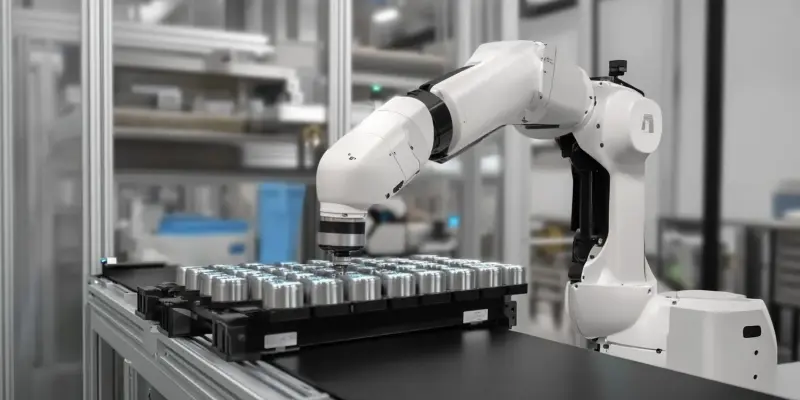
The manufacturing industry, long revered for its innovation and breakthroughs, faces modern challenges that demand advanced solutions. Enter Robotic Process Automation (RPA) – a technology that automates repetitive digital tasks, enhancing efficiency, productivity, and precision across the sector. The significance of RPA in manufacturing extends far beyond mere task automation, addressing pressing issues such as customer demand, global competition, and operational errors. By embedding RPA into various processes, manufacturers can anticipate significant operational improvements, particularly in efficiency, cost savings, accuracy, and decision-making.
Enhancing Efficiency and Productivity
One of the most compelling benefits of RPA in manufacturing is the notable improvement in efficiency and productivity. The industry often grapples with tight deadlines and massive workloads. RPA systems, with their capability for uninterrupted task scheduling on production lines and inventory systems, significantly expedite task completion. This allows employees to repurpose their saved time towards innovative and strategic endeavors, driving the company forward. Moreover, RPA’s ability to handle tasks without errors contributes to smoother operations. By automating scheduling and management processes, RPA ensures that production schedules are met without interruptions common to human error.
Additionally, the seamless workflow facilitated by RPA can lead to higher overall productivity and efficiency in meeting product demands. With the elimination of manual errors and significant reduction of downtimes, manufacturing units can operate more reliably and consistently. RPA tools are particularly effective in environments requiring stringent adherence to time-sensitive processes, as they are capable of running 24/7 without fatigue or decline in performance. This continuous operation model aligns with the dynamic and fast-paced nature of the manufacturing industry, providing a competitive advantage.
Cost Savings and Resource Optimization
RPA significantly reduces operational costs while maintaining the quality of output. Manufacturers are perpetually challenged with curbing expenses without compromising quality. Automation of mundane, yet essential activities, such as procurement and invoicing, can result in considerable savings – up to 30% in operational expenses. This resource optimization promotes a more sustainable and financially sound operation model. By reallocating resources from repetitive tasks to more value-added activities, manufacturers can achieve greater scalability and maintain competitive pricing strategies critical in a globally competitive market.
Furthermore, the cost benefits of RPA extend beyond immediate savings. By automating procurement processes, manufacturers streamline their supply chain activities, minimizing waste and inefficiency. This systematic approach ensures that resources are utilized optimally, with minimal surplus or shortage. RPA also enforces compliance with procurement protocols, avoiding costly deviations and ensuring consistent standards. The ability to maintain quality while cutting costs allows manufacturers to reinvest these savings into research and development, fostering innovation and long-term growth.
Accuracy and Error Reduction
Manufacturing processes are particularly susceptible to expensive human errors. RPA mitigates these risks by ensuring high precision in tasks such as quality control, compliance verification, and data management. The automation of these functions means there is a substantial drop in waste, thanks to minimized reworks and accurate shipments. The predictable and consistent performance of RPA in these key areas safeguards the integrity and reliability of manufacturing operations. Consequently, manufacturers can uphold stringent quality standards and reduce costly errors that might otherwise impair their profitability and reputation.
Improvements in accuracy also contribute to better customer satisfaction. Reliable quality control measures result in fewer defective products reaching the market, enhancing the brand’s reputation. RPA’s role in maintaining compliance with industry regulations ensures that manufacturers avoid penalties and legal disputes, providing a secure and stable operating environment. The integration of RPA in data management tasks leads to more accurate and timely records, essential for informed decision-making and strategic planning.
Data-Driven Decision Making
RPA’s capacity for real-time data collection, organization, and analysis grants manufacturers actionable insights tailored to their operational needs. This data-driven approach streamlines supply chain management, forecasts maintenance requirements, and allows for adaptive adjustments to production schedules. With this reliable data foundation, manufacturers can optimize their supply chains, ensuring that they are responsive and resilient in the face of market fluctuations. Predictive analytics derived from RPA data aids significantly in foresighted decision-making, bolstering the agility of manufacturing operations.
Effective data management fosters a proactive rather than reactive strategy. Anticipating maintenance needs before they become critical issues prevents costly downtime and extends the lifespan of equipment. Manufacturers can fine-tune production schedules based on demand forecasts, minimizing overproduction and stockouts. RPA-generated insights also enhance strategic planning, allowing manufacturers to identify trends, monitor performance, and make data-informed adjustments swiftly. This evidence-based approach ensures that decision-making is grounded in accurate, real-time information, reducing risks and optimizing outcomes.
Practical Applications in the Manufacturing Sector
A wide array of practical applications further underscores the impact of RPA in manufacturing. Automated quality control and compliance checking ensure that products consistently meet regulatory and customer specifications. RPA also revolutionizes payroll processing, attendance tracking, and appraisal tasks, freeing HR analysts to prioritize more strategic initiatives. Another vital application includes predictive maintenance and monitoring. Coupled with IoT sensors, RPA predicts equipment failures, ensuring that potential disruptions are preempted. This guarantees continuous, efficient production line operations, vital for maintaining overall productivity.
Furthermore, the versatility of RPA allows for its deployment in various other domains within manufacturing. For instance, in inventory management, RPA can track stock levels, reorder supplies, and manage warehouse logistics, reducing the risk of stockouts or overstocking. In order processing, RPA automates tasks from order receipt to delivery, ensuring timely and accurate fulfillment. Additionally, RPA enhances user support by providing live updates and instant responses to queries, enhancing the customer experience. By seamlessly coordinating suppliers, manufacturers, and distributors, RPA strengthens the supply chain network, ensuring an integrated and efficient operation.
Comprehensive Improvement of Operations
The manufacturing industry, historically celebrated for its innovation and advancements, is currently encountering modern challenges that require sophisticated solutions. One such solution is Robotic Process Automation (RPA), a technology designed to automate repetitive digital tasks, thereby boosting efficiency, productivity, and precision throughout the industry. However, the importance of RPA in manufacturing goes well beyond simply automating tasks. It also addresses critical issues like increasing customer demand, intense global competition, and minimizing operational errors. By incorporating RPA into various processes, manufacturers can expect substantial operational improvements. These enhancements include greater efficiency, significant cost reductions, improved accuracy, and better decision-making capabilities. Overall, RPA represents a transformative technology in the manufacturing sector, offering a competitive edge in an increasingly demanding global market.