

In an era where digital connectivity forms the backbone of both business and personal life, the escalating demand for robust data infrastructure has become a pressing challenge for many regions. Across Germany, companies are racing to bolster their capabilities to support everything from cloud computing to high-speed internet access. Amid this surge, a notable development has emerged in Wolfsburg, where a key telecommunications provider has taken significant steps to address these needs. This expansion not only highlights the growing importance of data centers but also underscores the critical role of strategic infrastructure investments in sustaining digital growth. With businesses increasingly relying on secure and efficient hosting solutions, such moves are pivotal in ensuring that regional hubs remain competitive on a global scale. The focus on enhancing capacity while prioritizing sustainability offers a glimpse into how modern tech companies are navigating the balance between progress and responsibility.
Strengthening Infrastructure for a Digital Future
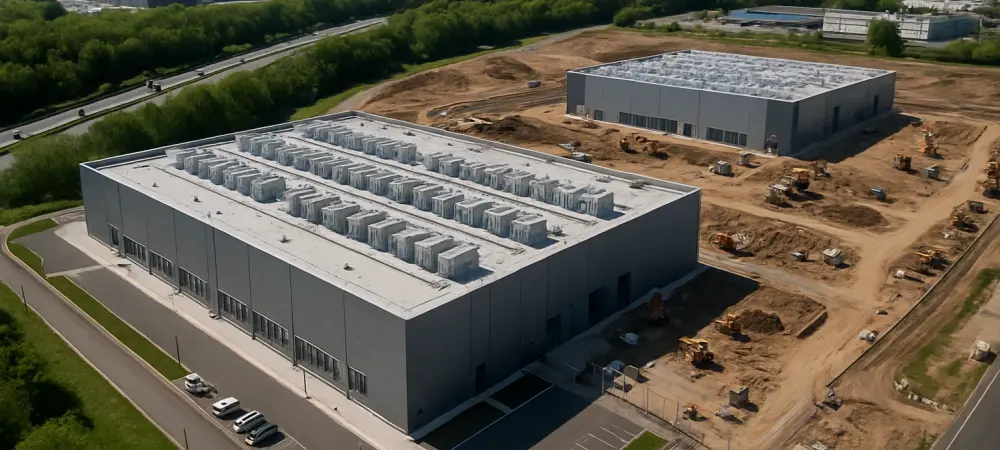
The telecommunications company based in Wolfsburg, a subsidiary of the city-owned utility Stadtwerke Wolfsburg, has recently expanded its data center operations within the Nordkopf Tower. This modern facility, an extension of the utility’s headquarters, now boasts an additional floor, bringing the total to five dedicated levels for data hosting. This expansion reflects a direct response to the rising demand for colocation and connectivity services in the region. Notably, the newly added space has already been leased to a specialized cloud and game hosting brand under Bieber IT GmbH, which has commended the state-of-the-art infrastructure for its efficiency and security. Hosting over 100 racks and serving major global entities like Google and Netflix, alongside a local internet exchange for South-East Lower Saxony, the data center stands as a vital node in both regional and international digital networks. This growth signals a clear intent to position Wolfsburg as a significant hub for technological advancement.
Commitment to Sustainability and Future Growth
Looking ahead, the data center in Wolfsburg is poised for further development, with potential plans to increase capacity to eight floors within the Nordkopf Tower to meet anticipated demand over the coming years. This forward-thinking approach not only demonstrates confidence in sustained growth but also highlights the strategic importance of the region in the broader digital landscape. Beyond supporting local residents with fiber optic connections, the facility caters to a diverse clientele, ranging from small businesses to international corporations, showcasing its versatility and reach. A strong emphasis on sustainable operations, as articulated by the company’s leadership, ensures that this expansion aligns with environmental goals while delivering resilient and always-available services. Reflecting on this initiative, the strategic enhancements made in Wolfsburg set a precedent for how data centers can evolve to support digital transformation, balancing technological needs with eco-conscious practices for long-term impact.