

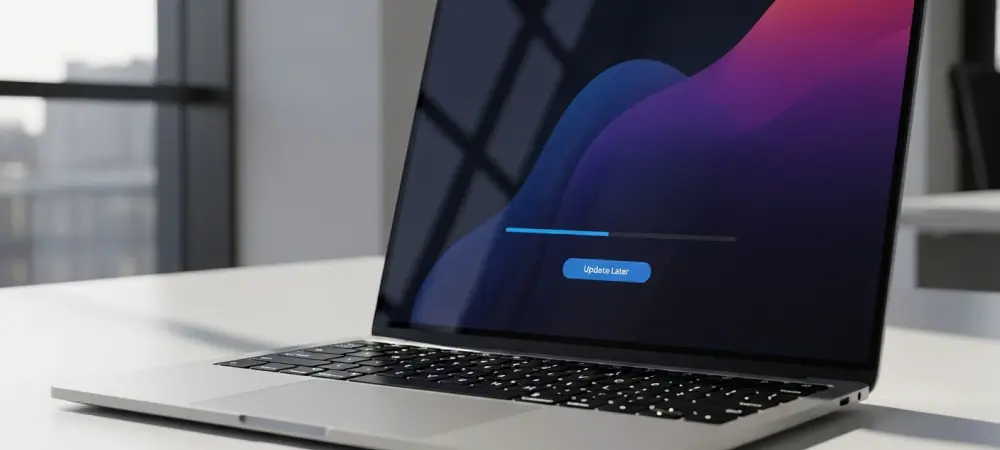
The friction of traditional software onboarding has long been a barrier to productivity, yet the latest modifications to the Windows 11 installation process finally prioritize the user’s time over rigid system protocols. By dismantling the mandatory update wall, Microsoft has fundamentally altered the Out Of Box Experience (OOBE). This review examines how this shift toward a non-linear installation model reshapes the relationship between the hardware and the end user.
Evolution of the Windows Out Of Box Experience (OOBE)
Operating system deployment was once defined by a “wait-and-watch” philosophy where the installer controlled every variable. This automated sequence often forced users into a loop of restarts and mandatory downloads before they could even see their desktop. However, the shift toward a user-centric model reflects a broader industry recognition that immediate device readiness is a competitive advantage.
Modern users expect a smartphone-like speed where the delta between unboxing and operation is minimized. Windows 11 has evolved into this landscape by decoupling the base system installation from its secondary feature layers. This modularity ensures that the initial environment is stable enough for basic tasks, even if the comprehensive feature set is still pending in the background.
Core Components of the Modern Setup Architecture
The “Update Later” Functionality
The introduction of the “Update Later” button is the most significant architectural change in the current setup flow. By allowing users to bypass immediate, multi-gigabyte downloads, the system focuses solely on the local files provided by the installation media. This reduces setup duration by nearly half, as the system no longer waits for network handshakes or slow server responses during the initial boot sequence.
Modular Installation Media
The technical shift toward modular media allows for a more flexible deployment of the kernel and core services. Rather than treating the OS as a monolithic block, the setup now treats the desktop environment as the primary target. This ensures that the user interface remains responsive and accessible even while the operating system prepares the secondary drivers and localized assets.
Recent Innovations in Deployment Efficiency
Innovation in 2026 has focused heavily on the concept of “just-in-time” readiness. The “Update Later” feature is not merely a skip button but a sophisticated scheduling tool that moves heavy lifting to idle periods. This trend toward lightweight deployment allows hardware manufacturers to ship devices that feel faster because they are no longer burdened by Day 1 patching cycles.
Practical Applications and Industry Deployment
In IT departments and PC repair sectors, time is the primary currency. Professionals managing massive fleet deployments can now stage machines in a fraction of the time, moving units through the imaging process without being throttled by external bandwidth limits. This efficiency is equally vital in virtual machine staging, where rapid clean installs are required for isolated testing environments.
Current Technical Limitations and Strategic Hurdles
Despite the speed, this “barebones” state introduces a security trade-off. Delaying patches leaves the system vulnerable to known exploits until the user eventually triggers the maintenance cycle. Microsoft manages this through intelligent background scheduling, but the responsibility for a secure environment has moved partially from the installer to the user’s subsequent behavior.
The Future of Operating System Onboarding
The trajectory of OS onboarding points toward zero-touch, cloud-optimized configurations that utilize AI to predict which drivers are critical and which can wait. Future breakthroughs will likely involve streaming the OS components in real-time, allowing for a functional environment even before the full package is locally stored. This evolution will further enhance user autonomy and system management efficiency.
Conclusion and Final Assessment
The transition from a rigid installation sequence to a flexible, user-driven model proved to be a necessary pivot for the modern digital workspace. By empowering users to bypass the traditional update bottleneck, the system achieved a balance between immediate utility and long-term stability. This shift effectively minimized mandatory downtime, ensuring that the technology finally served the person rather than the other way around. Moving forward, the industry likely sought to integrate these efficiencies into even more automated, cloud-native frameworks that could anticipate hardware requirements before the first boot.