

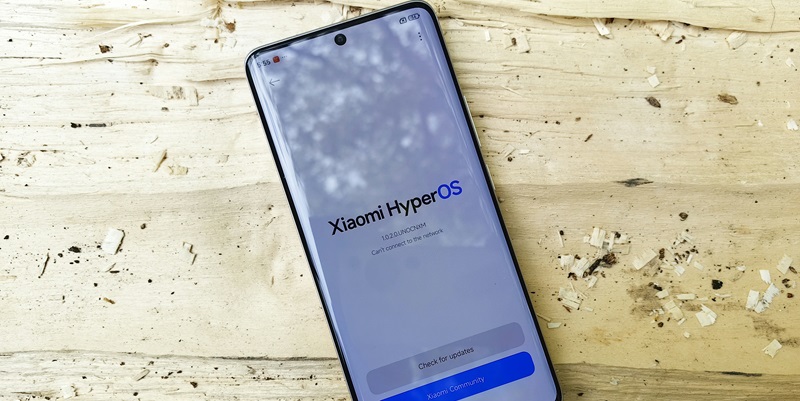
Anticipation is building around Xiaomi’s upcoming Redmi K80 Pro, a smartphone that promises to deliver several groundbreaking features. One of the most significant aspects of this new device is the integration of Qualcomm’s new Snapdragon 8 Gen 4 chipset, marking it as a high-performance flagship. Initially, the company plans to make this model available only in the Chinese market, with a potential global release expected in 2025. As we delve into the details, it’s clear that the Redmi K80 Pro aims to set new standards in mobile technology.
Snapdragon 8 Gen 4 Chipset
Unmatched Processing Power
The standout feature of the Redmi K80 Pro is undoubtedly its Snapdragon 8 Gen 4 chipset, rumored to make its debut in October. According to the well-known leaker Digital Chat Station, this next-generation chipset will replace the Snapdragon 8 Gen 3-powered Redmi K70 Pro. Qualcomm’s new chipset is expected to provide a substantial boost in performance, making the K80 Pro one of the most powerful smartphones on the market. This enhanced processing power will allow users to run demanding applications and games with ease, elevating the overall user experience.
Alongside the Snapdragon 8 Gen 4, the Redmi K80 Pro will also feature a host of other high-end specifications. One of these is a flat 2K OLED display with thin bezels, designed to offer an immersive viewing experience. The addition of a punch-hole front-facing camera will ensure the screen remains uninterrupted, maximizing screen real estate. These elements work together to create a sleek, modern look, perfectly complementing the powerhouse under the hood. Given these high-quality features, the Redmi K80 Pro is expected to set a new benchmark for flagship smartphones.
Advanced Display Technology
The 2K OLED display on the Redmi K80 Pro is another highlight that tech enthusiasts are eagerly anticipating. This advanced screen technology is designed to provide stunning visuals and exceptional color accuracy. With thin bezels and a flat finish, the display promises an edge-to-edge viewing experience. Whether you’re watching videos, playing games, or browsing the web, the 2K OLED screen will offer vibrant and crisp visuals. This, paired with the Snapdragon 8 Gen 4 chipset, makes the K80 Pro a formidable device for multimedia consumption.
Moreover, the display technology will be supported by a 50 MP triple camera setup, housed in a simple and elegant design. This advanced camera system will be housed in a device with a glass back panel and a metal mid-frame, which not only looks premium but also adds durability. The combination of high-resolution display and powerful camera technology ensures that the Redmi K80 Pro will be a versatile device capable of handling a wide range of tasks. Whether you’re a photography enthusiast or a gamer, this smartphone is designed to meet all your needs.
Market Expectations
Initial Launch in China
The initial release of the Redmi K80 Pro is expected to be exclusive to the Chinese market, with an announcement likely to happen this winter, possibly in December. This move aligns with Xiaomi’s typical strategy of launching its flagship models in China before considering a global release. While this might disappoint some international fans, the Chinese market’s exclusivity usually allows Xiaomi to fine-tune its offerings before making them available worldwide. This phased approach also provides an opportunity to gather initial user feedback and make any necessary adjustments.
Despite the initial exclusive launch, speculation is rife that global variants of the device might be available in 2025. Models such as the POCO F6 Pro could replace the current global versions of the Redmi K70 series. However, these global variants will need to offer something unique to stand out in international markets, where competition is fierce. Thus, not only will the Redmi K80 Pro have to meet high standards in China, but it will also need to impress global audiences when it eventually expands its reach. The anticipation surrounding its global availability continues to build as more details emerge.
Broader Industry Trends
Excitement is mounting for Xiaomi’s forthcoming Redmi K80 Pro, a smartphone set to feature a number of revolutionary attributes. Among the most noteworthy is the inclusion of Qualcomm’s new Snapdragon 8 Gen 4 chipset, positioning it as a premier high-performance device. Initially, Xiaomi plans to launch this model exclusively in the Chinese market, with a possible worldwide release anticipated in 2025.
The new chipset is expected to boost processing power and efficiency, appealing to tech enthusiasts and gamers alike. Additionally, the innovative design and enhanced camera functionalities are likely to set the Redmi K80 Pro apart from its competitors. Given Xiaomi’s history of producing high-quality, budget-friendly smartphones, the K80 Pro is poised to continue the trend but with even more advanced features.
Furthermore, speculation suggests the phone might come with improved battery life and faster charging capabilities, enhancing user experience significantly. As we explore more about the Redmi K80 Pro, it becomes increasingly evident that this device is designed to set new benchmarks in mobile technology.