

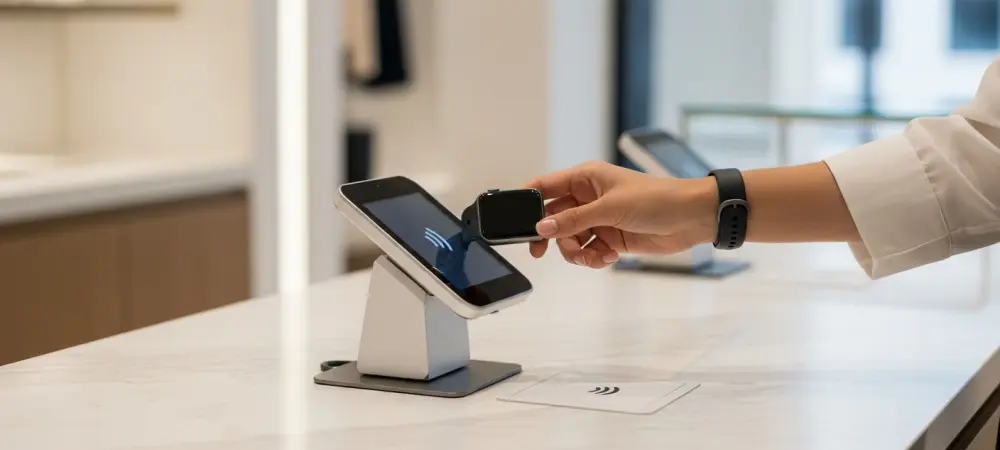
Modern shoppers in Muscat no longer need to fumble through leather wallets or worry about physical contact when settling a bill at their favorite café or retail outlet. This shift represents a broader transformation within the Sultanate, where the traditional essence of Islamic finance is being woven into the fabric of high-tech mobile convenience. Bank Nizwa has officially introduced Apple Pay, ensuring that its customers can enjoy the speed of global digital payments without compromising the Sharia-compliant values that define their financial lives.
A New ErSharia-Compliant Digital Transactions
Oman’s financial landscape just took a significant leap forward, but it isn’t just about another app on a smartphone. For the first time, customers of Bank Nizwa can bypass their physical wallets entirely while maintaining total peace ofinity that their transactions remain strictly Sharia-compliant. As the Sultanate moves rapidly toward a digital-first economy, the arrival of Apple Pay for Bank Nizwa cardholders marks a definitive shift in how faith-based banking intersects with cutting-edge global technology.
This integration serves as a bridge between the ethical requirements of Islamic banking and the demand for instantaneous results. While the backend remains rooted in interest-free principles and transparent asset-backed structures, the frontend provides the same frictionless experience found in the world’s major financial hubs. It proves that religious adherence and technological sophistication are not mutually exclusive, but rather complementary forces in the modern market.
Digital Acceleration: The Oman Vision 2040
The integration of Apple Pay is far more than a mere convenience; it is a strategic alignment with the goals of Oman Vision 2040 for a technologically advanced and integrated economy. As consumers increasingly demand contactless solutions, Islamic financial institutions are tasked with bridging the gap between traditional values and modern efficiency. This move addresses the growing public appetite for a cashless society, ensuring that the Sultanate’s banking sector remains competitive on a global stage while fostering local innovation and digital inclusion.
Furthermore, this digital push helps reduce the carbon footprint associated with plastic card production and paper receipts. By encouraging a virtual-first approach, the bank supports national sustainability targets while providing a platform that scales easily as the population grows more tech-savvy. The shift toward mobile wallets is a fundamental building block for a smarter, more resilient financial infrastructure that can withstand the demands of a globalized economy.
Seamless Integration: Across the Apple Ecosystem
Bank Nizwa has optimized its infrastructure to ensure that the Apple Pay experience is fluid and versatile for all debit and credit cardholders. Customers can utilize the service at physical points of sale—including pharmacies, restaurants, and retail outlets—as well as for seamless in-app and web-based purchases. This omnichannel utility ensures that whether a person is standing at a checkout counter or shopping from a couch, the payment process remains identical and effortless.
The service is fully functional across the iPhone, Apple Watch, iPad, and Mac, allowing for a unified payment experience regardless of the device. By removing the need for physical plastic cards, the bank is streamlining daily commerce and reducing the friction typically associated with traditional checkout processes. This ecosystem-wide compatibility means that a user can start a transaction on one device and confirm it on another, reflecting the interconnected nature of modern digital life.
Security Architecture: Industry Leadership
The launch is underpinned by a security-first philosophy, utilizing advanced encryption to redefine how financial data is handled in the region. Instead of storing actual card numbers on devices or Apple servers, a unique, encrypted Device Account Number is assigned to each transaction. This ensures that sensitive data never leaves the secure enclave of the hardware, providing a robust shield against potential data breaches or identity theft. Mr. Mohamed Al Ghassani, the Chief Retail Banking Officer, highlighted that this advancement was a direct response to the evolving digital lifestyles of Omani citizens, positioning Bank Nizwa as a forward-thinking leader. Additionally, the system was designed so that neither the bank nor the technology provider tracked individual purchase histories. This commitment to privacy reinforced the high standards expected by modern banking customers who value anonymity and data protection in their financial dealings.
Step-by-Step Configuration: How to Activate Apple Pay
Transitioning to mobile payments was designed to be intuitive, requiring only a few steps to move from a physical card to a digital wallet. Users could open the Bank Nizwa mobile application, navigate to their card settings, and select the option to add their credentials to the Apple Wallet. This internal synchronization eliminated the need for manual data entry and provided an added layer of bank-verified security during the initial setup phase.
Alternatively, customers could open the Wallet app on their iPhone and use the camera to scan their card details for instant verification. Once the bank confirmed the identity through a secure one-time password, the digital card became active for immediate use at any contactless-enabled terminal worldwide. This streamlined onboarding process ensured that even those less familiar with digital tools could migrate to the new system with confidence, signaling a future where financial inclusion is driven by accessible, user-friendly technology.