

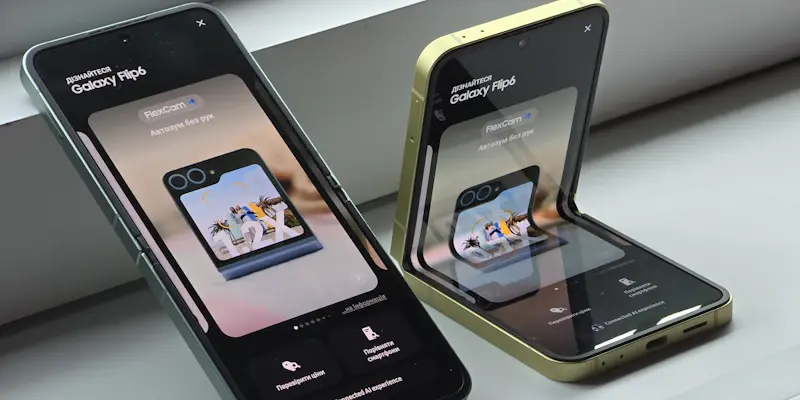
The technological rivalry between Xiaomi and Samsung is intensifying with the release of the Mix Flip 2, Xiaomi’s latest foldable smartphone. Initially, there were rumors indicating an upgrade in charging capabilities to 90W, aligning it with the Xiaomi 15. However, recent leaks from Digital Chat Station suggest that the Mix Flip 2 will maintain the same 67W wired charging speed as its predecessor. Though this may seem like a setback,the Mix Flip 2 is not short on impressive features, and it aims to give Samsung’s Galaxy Z Flip6 a run for its money.
Unchanged Charging, Enhanced Features
Despite the unchanged 67W charging speed,the Mix Flip 2 is packed with top-tier features designed to captivate tech enthusiasts. The device will be equipped with a periscope zoom rear camera, enabling users to capture exceptionally detailed photographs from a distance. The inclusion of the Snapdragon 8 Elite processor ensures that the Mix Flip 2 will deliver robust performance, catering to the needs of demanding users who require the best in speed and efficiency.Moreover, the integration of ultrawide-band wireless technology will enhance the device’s connectivity and usability, providing precise location tracking akin to Apple’s Find My system.
While some may have hoped for faster charging, the Mix Flip 2 compensates with a plethora of high-end specifications that solidify its position in the premium foldable smartphone market. These features demonstrate Xiaomi’s commitment to offering a versatile and high-performing device, capable of meeting the diverse demands of modern smartphone users.
Differentiating Design
One of the Mix Flip 2’s key differentiators is its design. The new curved cover screen adds a unique aesthetic element, setting it apart from its competitors, including Samsung’s Galaxy Z Flip6. This design not only contributes to the phone’s visual appeal but also offers a more ergonomic experience for users. A beautifully curved screen can make interactions more seamless, whether checking notifications or taking selfies.
Additionally, speculation surrounds the certification of 90W charging capabilities possibly belonging to another yet-to-be-released Xiaomi device, such as the Xiaomi Civi 5 Pro. This device is expected to feature a larger battery than the Mix Flip 2, making it an exciting prospect in its own right. Although the Mix Flip 2 may not boast the fastest charging on the market,its overall design innovations and formidable features make it a strong competitor.
Market Impact and Future Prospects
The technological competition between Xiaomi and Samsung is heating up with the introduction of Xiaomi’s latest foldable phone, the Mix Flip 2. Initially, there were expectations that the Mix Flip 2 would receive an upgrade in its charging capabilities to 90W, aligning it with the upcoming Xiaomi 15 model. However, new leaks from Digital Chat Station reveal that the phone will continue to offer the same 67W wired charging speed as its predecessor. While this might appear disappointing to some,it’s important to note that the Mix Flip 2 is packed with other impressive features. Xiaomi is clearly aiming to position the Mix Flip 2 as a strong competitor to Samsung’s Galaxy Z Flip6, aiming to attract consumers who are looking for high-end, innovative features in their smartphones.As Xiaomi and Samsung continue to push the boundaries of technology, this rivalry benefits consumers with more choices and advancements in smartphone capabilities. The Mix Flip 2 is set to challenge Samsung’s dominance in the foldable phone market, ensuring that the competition continues to drive innovation forward.