

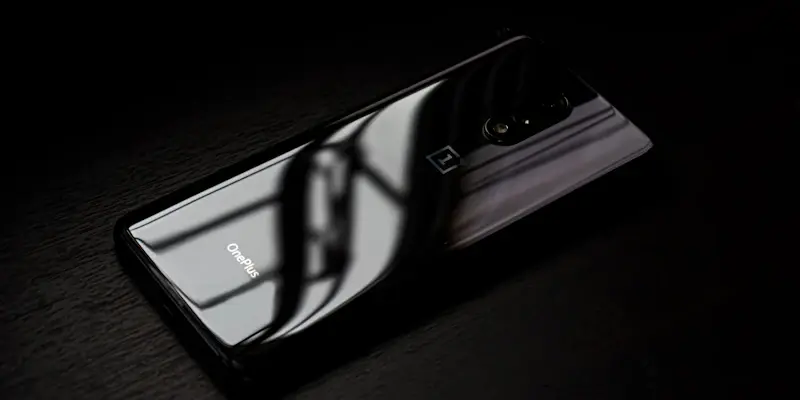
In an ever-evolving tech industry, flagship smartphones strive to balance myriad factors to deliver optimal performance.Among the critical elements for consumer satisfaction, battery life and efficiency play pivotal roles. Recent analyses, however, indicate that the OnePlus 13 faces significant challenges in this regard.Despite being equipped with a sizable 6000 mAh battery, the OnePlus 13 underperforms in battery efficiency, especially when compared to its peers like the iPhone 16 Pro Max and the Galaxy S25 Ultra.
Benchmarking Against Flagship Competitors
Results from Comprehensive Battery Drain Tests
A thorough battery drain test was conducted to evaluate the battery efficiency of various flagship smartphones. Participants included high-profile models such as the iPhone 16 Pro Max, Galaxy S25 Ultra, Vivo X200 Pro, and Honor Magic7 Pro.Leading the charts, the iPhone 16 Pro Max showcased exceptional battery life, clocking in at 12 hours and 44 minutes. The Vivo X200 Pro followed closely with battery longevity of 12 hours and 18 minutes, while the iPhone 16e secured third place, lasting an impressive 11 hours.
In terms of battery efficiency, iPhones demonstrated class-leading performance with notable figures.The iPhone 16e topped the efficiency chart, consuming only 6.068 mAh per minute, with the iPhone 16 Pro Max at a close 6.132 mAh per minute. The standout Android device in this efficiency contest was the Vivo X200 Pro, consuming 8.130 mAh per minute.
Comparing Snapdragon 8 Elite-Powered Devices
Snapdragon 8 Elite-powered devices like the Honor Magic7 Pro and Galaxy S25 Ultra also displayed commendable efficiency.This contrasts with the OnePlus 13’s performance, which registered a substantially higher consumption rate of 9.852 mAh per minute. This discrepancy accounts for the OnePlus 13 being approximately 20% less efficient than its Snapdragon 8 Elite counterparts.An essential aspect to consider is thermal management. While the OnePlus 13 recorded the highest operating temperatures, peaking at 63.5°C, the Galaxy S25 Ultra demonstrated superior thermal control with its peak temperature at 52°C. Poor thermal management in the OnePlus 13 likely contributes to its reduced efficiency and may affect user experience, particularly during intensive tasks.
Analyzing the Root Causes
Influence of Battery Size and Optimization
The OnePlus 13, despite its large 6000 mAh battery, struggles with efficiency largely due to insufficient optimization. Two primary areas of concern include software tuning and hardware integration. Software plays a crucial role in optimizing how power is distributed and consumed within the device.Inadequate software calibration can lead to faster battery depletion, as evidenced by the OnePlus 13’s higher consumption rate.
On the hardware front, components such as the processor and display must be harmoniously integrated to ensure minimal power wastage. The Snapdragon 8 Elite chipset, while powerful, requires precise optimization to balance performance and power consumption.The OnePlus 13’s failure to achieve this balance results in less efficient power usage compared to its competitors.
Another facet is the actual battery design and management system employed by the OnePlus 13. Although a larger battery provides more energy, without advanced management and efficiency measures, the benefits diminish. Proper allocation of battery resources and efficient heat dissipation strategies are vital for maintaining optimal performance.
Expectations for the Upcoming OnePlus 13T
Given the inefficiencies observed in the OnePlus 13, expectations are high for the imminent OnePlus 13T. Promising improvements, the OnePlus 13T is anticipated to address its predecessor’s shortcomings by incorporating a larger battery and enhanced thermal management capabilities.Advanced cooling systems and better heat dissipation methods are expected to contribute significantly to the performance enhancement. Additionally, the OnePlus 13T aims to integrate refined software optimizations to curb excessive battery drain. These upgrades are crucial for restoring user confidence and positioning the device favorably in a competitive market.
Prospects for the Future
Enhancing battery efficiency and effective thermal management are pivotal for the future success of the OnePlus 13 series. A broad battery capacity must be matched with innovative solutions for energy optimization. The strategies to be employed by future models like the OnePlus 13T could set a new standard in harmonizing power and performance.
The broader smartphone market also extends valuable lessons for OnePlus. As users continue to prioritize longer battery life and efficient device operations, manufacturers are prompted to innovate continuously. By closely monitoring competitor advancements and adopting best practices, OnePlus can improve its strategic direction.This scenario underscores the importance for all smartphone brands to focus on holistic enhancements rather than singular upgrades. While larger batteries signal higher capacity, real-world battery life improvement necessitates a focus on efficiency and management.
Moving Forward
In the fast-paced tech industry, flagship smartphones aim to balance numerous factors for top-tier performance.Among the key elements that significantly impact consumer satisfaction are battery life and efficiency. These aspects are essential for a seamless user experience, especially in today’s demanding digital environment.Recent evaluations reveal that the OnePlus 13 faces notable hurdles in these areas. Despite boasting a hefty 6000 mAh battery, the OnePlus 13’s battery efficiency falls short, particularly when compared to its competitors like the iPhone 16 Pro Max and the Galaxy S25 Ultra. This underperformance becomes even more apparent during intensive tasks such as gaming, streaming, and multitasking.While its rivals manage to optimize both battery size and software efficiency, ensuring longer usage periods, the OnePlus 13 struggles to keep up. This gap in battery efficiency not only affects the overall user experience but could also impact consumer preferences and loyalty in a market where every detail counts.