

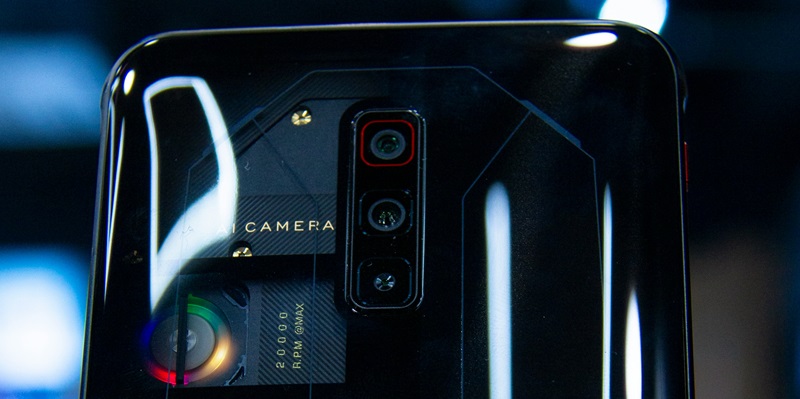
As the tech world eagerly anticipates Xiaomi’s upcoming releases, all eyes are on the Xiaomi 15 series. The latest buzz surrounds a potential partially transparent model that promises to break new ground in smartphone design. Amidst mixed reactions and market speculations, this innovative approach reflects Xiaomi’s continual push for differentiation and design evolution. This potential for a partially transparent model stirs curiosity and excitement, particularly among enthusiasts who appreciate bold, aesthetic risks. While it remains to be seen if this idea will resonate with consumers or be regarded as a mere tech experiment, the Xiaomi 15’s partially transparent design undeniably captures attention.
A Nod to the Past with Modern Twists
Xiaomi is no stranger to transparent designs, having previously introduced the Mi 8 and Mi 9 Explorer Editions. These models were well-received for their unique aesthetic, allowing users a peek into the phone’s internals. It was a bold move that highlighted Xiaomi’s innovative spirit. The Xiaomi 15 series appears set to revive this trend with a fresh twist, incorporating modern technological advancements while maintaining the visual allure of transparency.
Recent leaks suggest that the partially transparent model, possibly dubbed the Xiaomi 15S Pro, will feature a design that spans the entire width of the device. Unlike the horizontal camera bar found in Google’s Pixel series, Xiaomi’s version is expected to be taller and seamlessly integrated, allowing for a distinct visual appeal. This move could potentially set a new design benchmark in the smartphone industry, blending nostalgia with contemporary aesthetics. The intention goes beyond aesthetic experimentation to serve as a testament to Xiaomi’s enduring commitment to innovation in the crowded smartphone market.
Keeping the past’s influences in mind, this new design does not simply replicate earlier models but seeks to evolve them. The challenge lies in striking a balance between visual novelty and technical sophistication. Xiaomi’s endeavor will remind consumers of why they were originally drawn to the brand’s transparent models while also showcasing the strides made in smartphone technology since those earlier releases. This fusion of past inspiration and modern ingenuity highlights a commitment to both heritage and progress, positioning Xiaomi at the forefront of design innovation.
Technological Brilliance in Display
The expected cornerstone of the Xiaomi 15 series is its powerful internal hardware, anchored by the Snapdragon 8 Gen 4 processor. This chipset promises high performance, aligning Xiaomi’s latest offering with the top-tier specs demanded by today’s tech-savvy consumers. The partially transparent design isn’t just about aesthetics; it’s an opportunity to showcase sophisticated engineering and top-notch components. On the right-hand side of the device where the transparency lies, users might get a glimpse of the advanced chipset and other internal features. This isn’t just a design choice but also a statement of technological prowess.
This could appeal to a segment of the market that values tech sophistication as much as, or even more than, the device’s outer look. The blend of visible internals with cutting-edge tech might redefine consumer expectations of what a premium smartphone should offer. Xiaomi’s emphasis on displaying its sophisticated internals can serve as a badge of authenticity and quality, appealing particularly to tech enthusiasts keen on understanding the technology that powers their devices.
Moreover, the Snapdragon 8 Gen 4 processor cements Xiaomi’s intentions to compete at the highest echelons of the market. Coupling this with a unique design tactic like partial transparency, Xiaomi is not just creating a visual spectacle but also backing it up with substantial hardware capabilities. This amalgamation of tech and design creates an immersive user experience, potentially appealing to both geeks and aesthetes alike. It signifies that the Xiaomi 15 series is as much about internal performance as it is about external allure.
Market Positioning and Consumer Reactions
Every innovative design comes with its share of potential risks and rewards. Xiaomi’s partially transparent model is no exception, sparking mixed reactions from enthusiasts and potential buyers. Some see it as a bold step that could set Xiaomi apart in an increasingly saturated market. Others question its practicality and appeal beyond the initial novelty. User feedback and market reception will ultimately determine the success of this design. It involves not only gauging the aesthetic appeal but also addressing any concerns about durability and usability.
Transparent designs in previous models, like the Mi 8 and Mi 9 Explorer Editions, generated significant interest but also faced scrutiny regarding their longevity and functionality. Xiaomi will have to ensure that this new iteration balances visual innovation with practical utility to truly resonate with consumers. While the novelty might attract an initial wave of early adopters, sustained interest will depend on whether the device can deliver consistent performance and meet the day-to-day needs of its users.
The mixed reactions underscore a broader debate about the role of design innovation in the tech sector. For some, a partially transparent phone represents the intersection of art and technology, a bold statement of modern engineering principles. For others, the concerns about practicality and durability outweigh the aesthetic appeal. This division in perception is crucial as it will inform Xiaomi’s strategy moving forward, whether to persist with such bold designs or pivot based on consumer feedback.
The Competitive Landscape
In a market teeming with innovation, Xiaomi’s competition is not sitting idle. Brands like Apple, Samsung, and Google continually push the envelope with each new release. Xiaomi’s partially transparent design could carve out a niche, setting it apart from conventional designs currently dominating the market. However, Xiaomi must also consider how this design compares to other innovative features rolled out by competitors, such as foldable displays or advanced camera systems. Each new feature from a major brand adds to the technological arms race.
Xiaomi’s efforts to differentiate through transparency must effectively communicate why consumers should choose this unique design over other cutting-edge offerings. The competition is fierce, and while a unique design can set a brand apart, it must also provide tangible benefits to the consumer. Foldable displays, superior camera technology, and other advancements mean that the partially transparent Xiaomi 15 model will have to offer more than just a visual gimmick to sway buyers away from its rivals.
The challenge for Xiaomi will be to maintain a balance between innovation and practicality. While the partially transparent model may attract attention, it must also fulfill the basic expectations of durability, performance, and user experience to stand out in a competitive landscape. The market’s response will be critical in determining whether Xiaomi’s bold design choice sets a new trend or becomes a niche product appreciated only by a select few.
The Future of Transparent Designs
The tech community is buzzing with anticipation over Xiaomi’s forthcoming releases, especially the Xiaomi 15 series. The latest excitement revolves around the potential inclusion of a partially transparent model, which promises to revolutionize smartphone design. This cutting-edge approach has sparked a range of reactions and market forecasts, showcasing Xiaomi’s commitment to pushing the boundaries of differentiation and design innovation. The idea of a partially transparent phone has generated significant curiosity and excitement, especially among tech enthusiasts who admire bold and aesthetically daring moves. While it remains uncertain whether this concept will strike a chord with the general consumer base or be dismissed as a mere experimental phase in tech, there’s no denying that the partially transparent design of the Xiaomi 15 has already captured substantial attention. This development not only underlines Xiaomi’s innovative spirit but also highlights its ambition to lead in design trends, making the Xiaomi 15 series one of the most talked-about releases in recent times.