

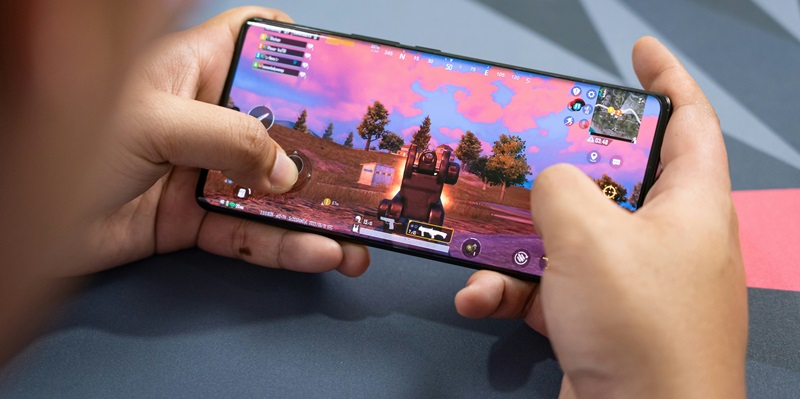
Anticipation is reaching fever pitch as Vivo gears up to launch its X200 smartphone series, promising a range of features that make it a formidable contender against other flagship devices, including Apple’s iPhone. Among the most talked-about aspects of this new release is OriginOS 5, Vivo’s latest AI-enhanced Android skin, which aims to revolutionize user interaction and functionality in ways that echo but also differentiate from the Apple ecosystem.
Advanced Features of OriginOS 5
Atomic Island: Competing with Apple’s Dynamic Island
One of the standout features of OriginOS 5 is the "Atomic Island," which uses AI to elevate the user experience by dynamically adapting to media controls and quick app shortcuts. Housed within the display’s punch-hole, this feature not only leverages AI for smarter, more intuitive controls but also establishes a new benchmark for smartphone design aesthetics. This innovation aims to rival Apple’s Dynamic Island, offering users an engaging and seamless way to interact with their device.
The "Atomic Island" is more than just a visual gimmick; it extends functionality in a meaningful way. For example, when listening to music or watching a video, the feature can expand to provide quick access to controls without leaving the app. Users can switch songs, pause, or adjust volume effortlessly. Moreover, it offers quick shortcuts to frequently used apps and services, making multitasking easier and more efficient. By embedding these functionalities directly into the screen, Vivo is pushing the boundaries of how we interact with our devices.
Xiao V Circle Search and Blue Heart Xiao V Assistant
OriginOS 5 also introduces the Xiao V Circle Search, a robust feature that harnesses the power of AI to enhance user searches. This tool employs text- and image-recognition technologies to deliver swift, contextually relevant search results right on the screen. This utility extends to shopping assistance, bridging the gap between online and offline experiences by offering price comparisons and availability alerts as users browse products. The integration of such AI functionalities not only simplifies searches but also augments the smartphone’s role as a smart assistant.
Complementing the Xiao V Circle Search is the Blue Heart Xiao V assistant, another cornerstone of OriginOS 5. This AI-driven assistant elevates user interaction by providing a more conversational and contextual experience. Whether it’s setting reminders, finding information, or managing daily tasks, Blue Heart Xiao V offers nuanced responses that evolve with user preferences over time. Together, these AI features cement OriginOS 5 as a sophisticated, user-friendly interface that aims to redefine productivity and convenience for smartphone users.
Rivalries and Competitive Landscape
Vivo vs. Oppo: A Battle for Innovation
The competition between Vivo and Oppo continues to heat up, particularly with the forthcoming launch of the Oppo Find X8 series. Both companies are clearly inspired by Apple’s design ethos, striving to offer high-end features and aesthetics that appeal to discerning consumers. While Oppo is rumored to mimic the front design of the iPhone 16 series, including ColorOS 15, Vivo is confidently pushing forward with hardware that rivals or even surpasses Oppo’s offerings.
Despite the similarities in design philosophy, the technological battle between these two giants comes down to more than superficial attributes. Vivo’s emphasis on superior hardware specifications, coupled with the innovative features of OriginOS 5, positions it as a viable alternative for consumers considering the Oppo Find X8. The introduction of advanced AI functionalities, as seen in the "Atomic Island" and Xiao V Circle Search, underscores Vivo’s commitment to providing an enriched user experience that goes beyond mere aesthetics.
Expanding the Lineup: X200 Variants
Adding to the excitement surrounding the X200 series is the broad array of models slated for release, including the X200 Pro, Pro Mini, and Pro Satellite Edition. Each variant will come equipped with OriginOS 5, ensuring that the enhanced features are accessible across different price points and sizes. This diversification strategy allows Vivo to target a wider audience, from tech enthusiasts looking for top-tier specs to everyday users seeking reliability and convenience.
The X200 Pro editions, in particular, are expected to set new benchmarks in performance, camera capabilities, and durability. Meanwhile, the Pro Mini and Pro Satellite Editions will offer more compact and specialized options, ensuring that there is something for everyone. The seamless integration of OriginOS 5 across these models not only promises a consistent user experience but also highlights Vivo’s holistic approach to innovation. As the official launch approaches, expectations continue to build, signaling a new chapter in Vivo’s journey to challenge the status quo in the premium smartphone market.
The Path Ahead for Vivo
Launch Timing and Market Strategy
Vivo has strategically scheduled the launch of the X200 series towards the end of October 2024, aiming for a festive-season buzz. This timing allows the brand to capture consumer interest when many people look to upgrade their devices. It’s a calculated move to capitalize on the holiday shopping spree, ensuring that the X200 series garners maximum attention and sales during a peak spending period. The official previews and leaks have already drummed up substantial excitement, and Vivo is poised to harness this momentum.
Furthermore, Vivo’s market strategy focuses not just on hardware prowess but also on software innovation. By introducing the OriginOS 5 with its advanced AI features, Vivo aims to offer a holistic, state-of-the-art smartphone experience. This dual focus on cutting-edge hardware and software makes the X200 series highly competitive, not just against other Android devices but within the entire smartphone industry. As Vivo continues to refine its approach, the brand’s aspiration to transcend its current market position is increasingly evident.
Vivo’s Aspirations in the Premium Segment
Excitement is hitting new heights as Vivo prepares to reveal its X200 smartphone series, a lineup that’s generating quite a buzz. This highly anticipated launch is expected to include a suite of advanced features, positioning the X200 as a strong rival to other top-tier smartphones such as Apple’s latest iPhone models. A standout feature of this upcoming release is OriginOS 5, Vivo’s cutting-edge, AI-enhanced Android skin. This new operating system aims to radically transform user interaction and functionality, offering a unique experience compared to what Apple users are familiar with in their ecosystem. OriginOS 5 leverages artificial intelligence to provide a seamless and intuitive user experience, focusing on customization and efficiency. With its innovative approach to integrating AI, Vivo seeks to carve out its own identity in the crowded smartphone market while appealing to users who crave advanced, user-friendly technology. As the launch date approaches, the tech world is abuzz, eagerly awaiting to see how Vivo’s X200 series will deliver on its ambitious promises.