

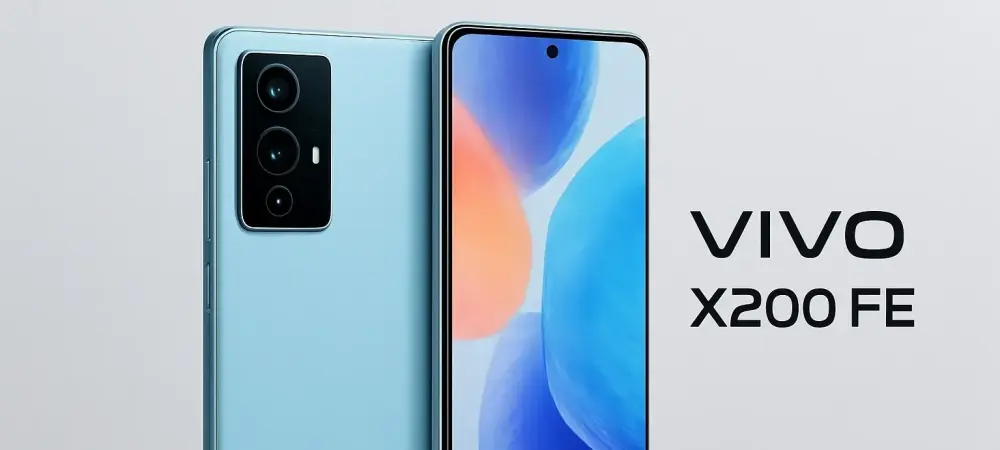
In the rapidly evolving world of mobile technology, smartphones have become essential tools for modern life, serving as communication devices, productivity tools, and entertainment hubs. The Indian smartphone market, a dynamic arena of diverse consumer needs and innovative brands, continues to witness the introduction of cutting-edge technologies and features. Amidst this, Vivo’s announcement of the Vivo X200 FE has garnered significant attention. With enthusiasm building around its promising features, industry experts and consumers alike are pondering whether this smartphone will redefine the standards currently governing the Indian market.
Evolution of Smartphones in India and Vivo X200 FE’s Significance
The smartphone evolution in India hints at a trajectory marked by affordability, extensive functionalities, and design innovation. The introduction of the Vivo X200 FE is considered notable, as it embraces these elements while aiming to make a significant impact in the fiercely competitive landscape. By incorporating features like a MediaTek Dimensity 9300+ chipset and a 6,500mAh battery supporting 90W fast charging, Vivo positions the X200 FE as a powerhouse capable of meeting the demands of tech-savvy Indian consumers. Analysts suggest that the arrival of the X200 FE in India is indicative of Vivo’s tactical approach to capturing a broader consumer base by merging sophisticated technology with local preferences. Though similar in aspects to its global variants, the Indian version’s distinct color palette potentially boosts its appeal among users seeking individualized aesthetics. The phone is available in unique shades like Amber Yellow and Luxe Black, contrasting with global models. The article will continue to explore whether such features will redefine consumer expectations and industry benchmarks.
Pioneering Specifications and Industry Comparisons
Within the Indian context, the Vivo X200 FE’s specifications appear to challenge existing market players by offering a balance of power, performance, and style. The smartphone’s 6.31-inch display backed by a sleek 7.99mm design and Zeiss-branded triple camera enhances its standing among premium choices, especially with two 50-megapixel cameras and robust AI functionalities integrated into the Funtouch OS 15. When viewed against industry standards, these specifications bring Vivo into a competitive spotlight alongside incumbents as well as new contenders. Market analysts assert that such technological advancements can potentially edge Vivo closer to becoming a market leader if the brand addresses inherent limitations comprehensively. Despite these capabilities, critics point to potential gaps, including the necessity for software optimization and ensuring longtime performance reliability to fully leverage the advanced hardware.
Design Innovation and Market Dynamics
The Vivo X200 FE showcases a combination of aesthetic features and functional advantages, positioning itself as a model of style and substance. Users and reviewers have noted that Vivo’s focus on sleek design, combined with features like dust and water resistance (IP68+IP69), aligns with consumer preferences for pragmatic durability and modern aesthetics. This presents a cohesive design that could appeal strongly to consumers prioritizing not only performance but also sophistication in look and feel.
Past Vivo models have established a reference point for comparing user experience and market acceptance, offering insights into potential challenges the X200 FE might face. However, Vivo’s existing market presence provides a framework to understand the intricacies of consumer reception and improving product iterations based on past feedback. The competitive landscape, with multiple brands vying for consumer attention, provides both an opportunity for growth and a threat due to the presence of well-established competitors. Vivo’s approach towards maximizing these avenues will be crucial.
Technological Mobility and AI Integration
A fundamental aspect of the Vivo X200 FE is how it propels smartphone capabilities through advancements like AI-driven features offering nuanced user experiences. This includes innovations like AI Captions and Smart Call Assistant, which cater to contemporary consumer demands. The phone’s capacity to adapt to regional consumer preferences by localizing features substantiates Vivo’s prowess in understanding and utilizing user data effectively, crafting experiences tailored to the Indian market.
Additionally, there are several myths surrounding consumer technology adoption, which impact decision-making. Experts suggest that providing consumers with relatable, simplified communication about benefits and usability can enhance technology uptake. Addressing common misconceptions can elevate the brand’s status and encourage broader acceptance of innovative functionalities inherent in the X200 FE.
AI Integration and Industry Context
Delving deeper, the Vivo X200 FE’s AI and software integration underscores its strategic ambition to deliver intuitive and intelligent responsiveness that resonates with users’ evolving expectations. By incorporating AI for enhanced camera functionality and personalized user interfaces, Vivo indicates its intent to stay ahead of market trends where user interaction with technology becomes increasingly intelligent and seamless. Projections about Vivo’s future trajectory highlight potential breakthroughs in offering enriched, personalized user experiences across future models. As the industry witnesses transformative shifts through these technologies, more personalized AI-driven strategies can redefine consumer engagement. Understanding Vivo’s objectives and positioning within the competitive landscape will provide a nuanced perspective on their progressive strategies.
Insights and Future Steps
Reflecting on Vivo’s strategy for the Indian smartphone environment elucidates distinct avenues for creating meaningful user engagement by leveraging innovative features. For success, Vivo must address potential limitations while strategically integrating newer innovations that resonate with Indian consumers. For readers keen on staying ahead in tech trends, involving themselves in industry forums, following tech updates, and exploring upcoming reviews can prove beneficial. A comprehensive understanding of feature integrations and consumer perceptions will aid in cultivating informed decisions amidst evolving technological landscapes.
Conclusion
Vivo’s endeavors consistently influence India’s technological sphere, impacting consumer technology dynamics and setting newer benchmarks for advanced mobile experiences. The Vivo X200 FE’s potential to usher transformative trends speaks to a broader narrative of continual advancement. Within the context of rapid technological evolution, stakeholders must remain attuned to innovative pursuits while reevaluating strategies against the ongoing shifts witnessed within India’s burgeoning smartphone segment. Ultimately, Vivo’s initiatives reflect a larger commitment to innovating in a manner that captures and captivates the aspirations of its user base.