

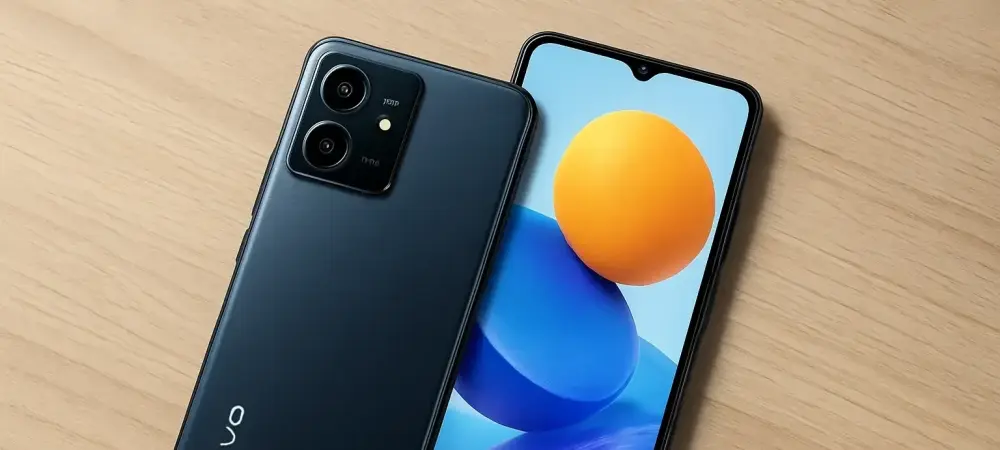
The smartphone market in India stands on the precipice of change, with the impending introduction of the Vivo Y400 5G serving as both an indicator of industry trends and a response to shifting consumer demands. As the nation navigates toward advanced technological frontiers, the Y400 5G’s launch underlines Vivo’s strategic move to capture a broader spectrum of market segments. By strategically pricing this device below INR 20,000, Vivo caters to budget-conscious yet tech-savvy users, providing them with accessible 5G technology. This analysis explores Vivo’s competitive positioning within this dynamic landscape, examining market trends, current patterns, and potential future projections in the context of this pivotal release.
Vivo Y400 5G in the Context of India’s Tech Evolution
India’s smartphone market has exhibited profound shifts, with consumers progressively transitioning from basic mobile phones to sophisticated smart devices. This evolution reflects a desire for high-performance features at affordable prices. Vivo, alongside several other notable brands, has contributed to this transformation by introducing smartphones tailored to evolving customer preferences. The increased demand for 5G capabilities, now deemed indispensable, mirrors the need for connectivity advancements. The Y400 5G signifies Vivo’s alignment with these imperatives by delivering essential features like an AMOLED display and a 120Hz refresh rate in a mid-range device, thus resonating with contemporary market expectations.
In-depth Analysis of the Vivo Y400 5G: Balancing Performance and Pricing
Strategic Feature Compromise for Market Advantage
The Y400 5G, slated for release, leverages a calculated balance between high-end features and affordability. With the inclusion of an AMOLED display paired with a 120Hz refresh rate, Vivo positions this device to appeal to users seeking enhanced visual experiences without the high price tag associated with flagship models. Despite not matching the exhaustive feature set of its Y400 Pro counterpart, the Y400 5G strategically sacrifices certain specifications to maintain its targeted price point, addressing the core needs of the market’s middle segment.
Aligning with Emerging Market Trends
The Y400 5G doesn’t merely react to current norms; it taps into emerging trends where enhanced mobile technology capabilities become a staple among diverse user demographics. Vivo’s emphasis on offering affordable yet advanced products highlights a strategic acumen that adapts to changing consumer priorities favoring long-term investment value in tech products. This approach not only strengthens Vivo’s brand reputation but also emphasizes its commitment to keeping up with continuous performance enhancements.
Navigating India’s Diverse Market Dynamics
India’s multifaceted market demands nuanced strategies that cater to wide-ranging consumer behaviors. Among these is the requirement for regional adaptations, acknowledging disparities in purchasing power and technological access across different areas. Vivo, by launching the Y400 5G, recognizes the significance of addressing local needs, delivering products that reflect not only technological trends but also cultural nuances. This includes features that accommodate regional languages and address prevailing misconceptions regarding the quality of affordably priced smartphones.
Toward Future Prospects and Emerging Technologies
The trajectory of India’s smartphone industry over the coming years will likely continue facing technological sophistication and economic fluctuation. As 5G becomes more entrenched in day-to-day communications, Vivo’s continued emphasis on devices like the Y400 5G could influence other brands’ portfolio strategies. Potentially transformative will be the integration of AI and sustainable development techniques, factors expected to play a substantial role in shaping consumer choices and manufacturer initiatives.
Strategic Insights for Market Participants
To effectively navigate the marketplace, stakeholders need to account for Vivo’s low-cost, feature-enriched strategy with the Y400 5G as instructive. Companies should align their product offerings to emerging technological trends and consumer demands, potentially investing in product lines emphasizing key features at competitive prices. Consumers, in turn, should assess their specific needs against the backdrop of available options, leveraging the balance between affordability and feature richness that models like the Vivo Y400 5G present.
Strategic Takeaways: The Legacy of Vivo Y400 5G
Evaluating Vivo Y400 5G’s market introduction demonstrated the delicate art of offering cutting-edge technology at an accessible cost, a narrative prevalent in India’s smartphone sector. Vivo’s success with this model broadened market accessibility, setting a framework for subsequent launches prioritizing affordability. As technological advances continue, the ongoing dialogue regarding cost versus functionality emphasized and motivated industry stakeholders to remain adaptive and forward-thinking.