

Breaking the Tether of the Mid-Day Charge
Modern smartphone enthusiasts have finally reached a breaking point where the constant anxiety of a dying battery often overshadows the brilliance of high-resolution displays and lightning-fast processors. The leaked specifications for the Xiaomi 17T series suggest that this era of compromise might be ending, as rumors point toward a staggering 7,000 mAh capacity in the Pro model. Xiaomi is not just incrementalizing battery life; it is potentially redrawing the map for what a flagship power cell should look like in a demanding market.
As display refresh rates climb and processors become more power-hungry, the industry is watching to see if a manufacturer can find the sweet spot between extreme endurance and sleek hardware design. The 17T series represents an ambitious attempt to solve the “once-a-day” charging ritual that has remained an immutable law of mobile technology for far too long. If these leaks hold true, the paradigm of the mid-day charge could soon become a relic of the past.
The Growing Divide Between Power Demand and Battery Innovation
As mobile gaming, high-resolution videography, and 5G connectivity become standard, internal hardware has often outpaced the chemical limitations of traditional batteries. While most competitors settled into a comfortable 5,000 mAh ceiling to maintain thin profiles, power users experienced a resurgence of battery anxiety. This gap between what a phone can do and how long it can do it has created a significant demand for genuine innovation in energy density.
This shift in consumer concern makes the 17T series particularly relevant, as it addresses a core pain point that many manufacturers attempted to solve solely through faster charging speeds. Xiaomi’s strategy appears to focus on longevity first, recognizing that a phone is only as smart as its remaining percentage.
Dissecting the 17T Series: From Plastic Frames to Silicon Giants
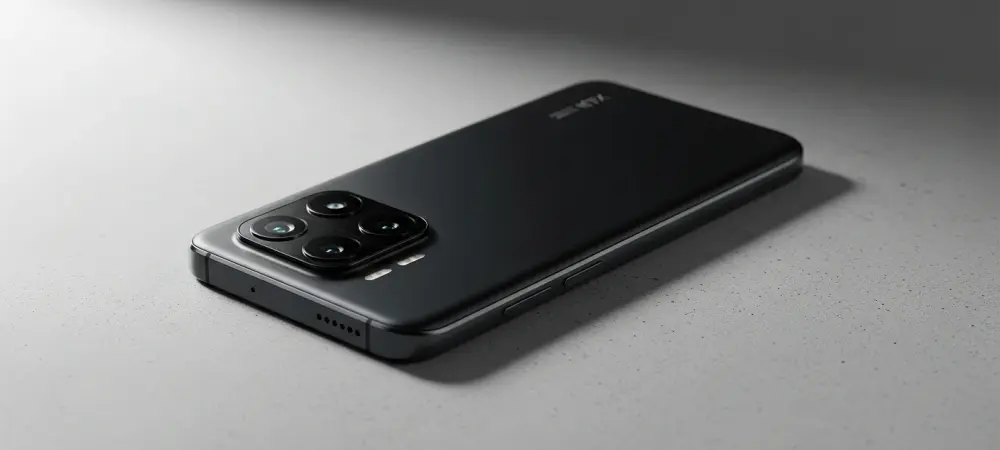
The upcoming lineup reveals a strategic divergence between the standard 17T and the 17T Pro, designed to capture different segments of the premium market. The base 17T is expected to offer a 6,500 mAh battery paired with a MediaTek Dimensity 8500 Ultra chipset and a 6.59-inch 120Hz display, housed within a cost-effective plastic frame. This configuration balances performance with accessibility, offering high capacity without the flagship price tag. In contrast, the 17T Pro elevates the experience with a 7,000 mAh cell, a high-performance Dimensity 9500 processor, and an expansive 6.83-inch 144Hz screen protected by a durable metal frame. Both models maintain the prestigious Leica-engineered triple-camera system, ensuring that the push for battery longevity does not come at the expense of imaging. The inclusion of 50MP primary and telephoto sensors across both variants demonstrates a commitment to professional-grade photography.
Why 7,000 mAh Represents a Paradigm Shift in Flagship Engineering
Industry analysts point to the 17T Pro’s battery as a significant technical achievement, especially considering the inclusion of 100W wired and 50W wireless charging. Reaching these capacities typically requires a trade-off in device thickness or safety, yet leaks suggest Xiaomi maintained a premium aesthetic. By pricing the Pro model at approximately €999, the brand positioned itself against top-tier competitors who still struggle to break the 6,000 mAh barrier.
Consumers increasingly value multi-day battery life as much as they value high-fidelity optics or processing speed. This shift suggests that the luxury of never checking for a wall outlet before evening is becoming a primary selling point for the modern flagship. If the 17T Pro delivers on its promises, it will likely force other manufacturers to reconsider their engineering priorities regarding internal space allocation.
A Framework for Assessing High-Capacity Flagships
When evaluating whether this series fits specific needs, it was helpful to weigh the technical specifications against real-world utility. Potential buyers considered the Power-to-Performance Ratio, which balanced the high refresh rate against the massive energy reserve. Users had to decide if the premium for the metal frame and Dimensity 9500 chip justified the cost increase over the standard model’s 6,500 mAh battery. This evolution indicated that the next logical step involved refining software optimization to stretch these massive reserves even further. The shift toward 7,000 mAh cells showed that mobile utility finally caught up with hardware ambition. It was no longer enough to merely offer speed; the hardware had to prove it could last through the most demanding cycles without failure. Future considerations now move toward how AI-driven power management will interact with such vast physical capacities.