

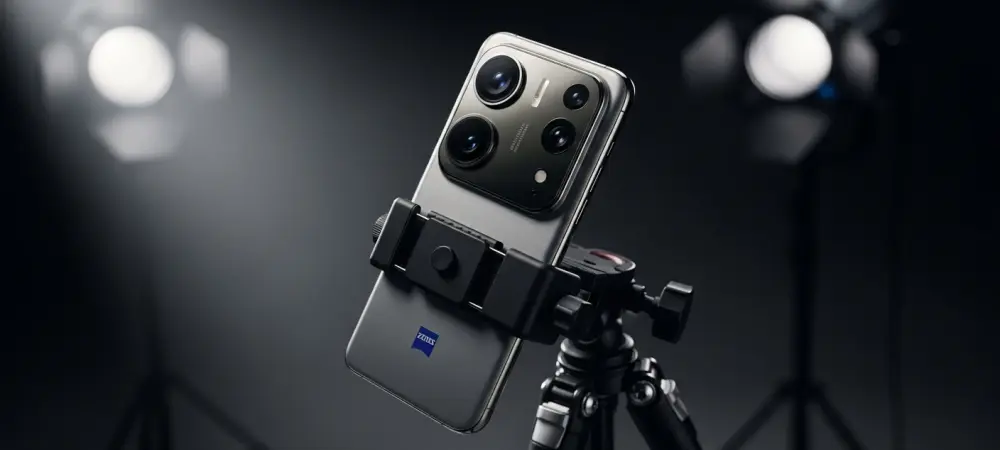
Professional photographers and tech enthusiasts alike are witnessing a monumental shift as smartphones move from being simple communication tools to becoming legitimate rivals for high-end optical equipment. The anticipated late March debut of the Vivo X300 Ultra signals a transformative period for the mobile industry, particularly as it follows a significant showcase at the Mobile World Congress. Experts suggest that the “Ultra” designation has evolved into the ultimate benchmark for engineering prestige, representing a brand’s ability to push the limits of physics. This device aims to bridge the gap between pocketable convenience and the raw power of professional gear.
The Evolution of the Flagship: Setting the Stage for the 2026 Launch Cycle
The strategic timing of the launch, rumored for March 30, indicates an accelerated pace for the current release cycle. By positioning the flagship early in the year, the manufacturer creates a standard that competitors must struggle to match. This presence at international forums like MWC ensures that the hardware receives global scrutiny before hitting the consumer market. Industry analysts observe that the “Ultra” tier is no longer just about incremental upgrades but about defining the technical ceiling for the entire ecosystem. The goal is to provide a seamless transition for creators who previously relied on heavy DSLR setups for high-stakes assignments.
Decoding the Technological DNA of a Modern Imaging Powerhouse
The “Thanos” Periscope: Why 200 Megapixels Is More Than Just a Marketing Number
The integration of the Samsung HP0 sensor within a fifth-generation Zeiss periscope system represents a massive hardware leap. Critics often view high megapixel counts with skepticism, yet the physical housing of this high-resolution glass directly addresses the problem of zoom degradation. By capturing more raw data, the system reduces the need for aggressive digital cropping that often ruins long-range shots.
In contrast to the industry’s heavy reliance on AI-driven upscaling, this approach prioritizes optical integrity. The “Thanos” lens provides a level of clarity that allows for significant post-processing flexibility. This hardware-first philosophy ensures that the final image remains natural and detailed, even when zoomed to extreme levels.
Beyond Raw Resolution: The Synergy of BlueImage and the Blueprint Focus Engine
Proprietary BlueImage technology serves as the software backbone, perfecting color fidelity and high-dynamic-range processing. This system ensures that skin tones and environmental colors remain consistent across varying lighting conditions. When combined with the “Blueprint” focus engine, the device achieves 60fps motion capture, making it a viable tool for high-speed action photography.
Thermal performance remains a critical concern for such powerful processing, but optimized power efficiency allows for sustained use. Users can engage in professional-level bursts of photography without fearing the device will throttle due to heat. This balance of power and stability is what sets the modern flagship apart from experimental prototypes.
Disruption in the Premium Segment: How High-Speed Tracking Alters the Competitive Landscape
The focus on user health has become a secondary battleground, with 144Hz displays and “Circular Polarized Light 2.0” leading the charge. These innovations shift the narrative away from pure speed toward visual fluidity and long-term eye protection. As the release cycle accelerates, the pressure on other manufacturers to include these ergonomic features has intensified significantly.
Hardware alone does not win the market; the overall user experience must feel refined and safe. By addressing eye fatigue through specialized polarization, the device appeals to professional users who spend hours editing on their phones. This holistic approach challenges the traditional assumption that a camera phone only needs a good sensor to succeed.
Bridging the Gap Between Mobile and Professional Gear with Telephoto Extenders
The Zeiss 400mm Telephoto Extender Kit is a disruptive accessory that targets wildlife and sports photographers specifically. This modular kit transforms the smartphone into a legitimate specialized tool, offering focal lengths previously reserved for massive telephoto lenses. Such accessories suggest a future where the mobile ecosystem is defined by modularity rather than fixed internal components.
Comparative reviews indicate that these kits are becoming the new standard for power users who demand versatility. Instead of carrying multiple camera bodies, a photographer can simply attach an external optical element to their primary device. This shift marks a significant step toward the obsolescence of mid-range dedicated camera systems.
Navigating the New Era of High-End Mobile Imaging Standards
The current generation is defined by breakthroughs in sensor technology and motion tracking that were once considered impossible for mobile platforms. For creators, the 200MP output is not just for digital sharing; it is robust enough for large-scale prints and professional workflows. Maximizing this output requires a deep understanding of how the new focus engines interact with physical light.
Choosing between the Ultra and the X300s depends on whether the user prioritizes extreme photography or ergonomic display technology. While the Ultra offers the best optical kit, the X300s provides a more balanced profile for daily use. Strategic buyers are encouraged to evaluate their specific needs for zoom versus portability before committing to the top-tier hardware.
The Verdict on Vivo’s Bold Bet for 2026 and Beyond
The combination of the HP0 sensor and proprietary software established a new trajectory for the entire smartphone industry. It was clear that the synergy between hardware and algorithms remained the only way to maintain a competitive edge in the premium tier. Developers focused on refining these interactions to ensure that the user experience matched the impressive specifications on paper. Ultimately, the move toward modular kits and massive sensors suggested that the era of traditional camera dominance had finally transitioned. Consumers were advised to look toward software-integrated hardware as the future of visual storytelling. The industry successfully proved that professional quality could indeed fit within a pocket-sized form factor.