

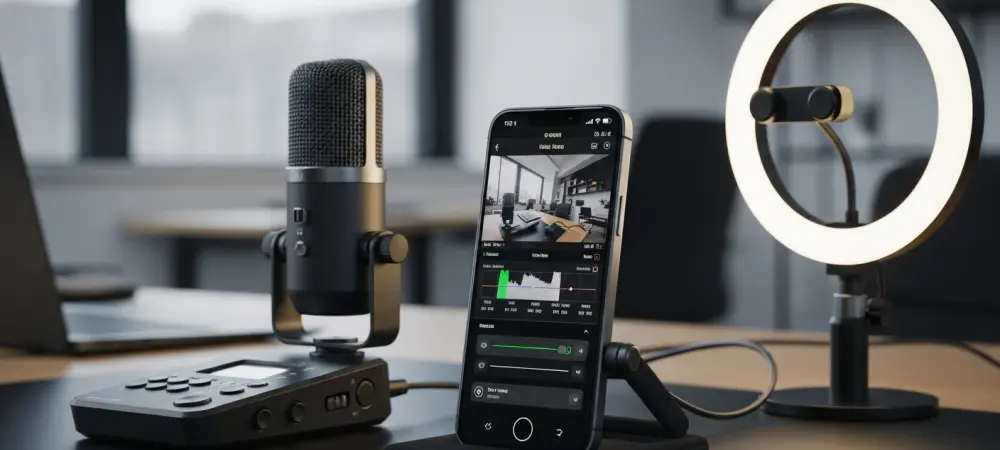
The gap between professional DSLRs and the device in a pocket has narrowed to a point where the distinction is often found in the nuance of a pixel rather than the size of the lens. This evolution marks a shift from simple light capture to complex digital reconstruction. Modern flagship devices now serve as sophisticated imaging computers that interpret reality through a lens of algorithmic logic.
The Evolution of Mobile Imaging and Computational Photography
The context of 2026 reveals a landscape where hardware specifications no longer dictate the hierarchy of performance. Instead, the convergence of high-bandwidth sensors and neural processing units has redefined how images are formed. This shift has allowed mobile devices to bypass physical limitations of small apertures through stacking and temporal noise reduction.
As mobile imaging matured, the industry moved away from a pure hardware race toward the mastery of light through math. The relevance of this change is seen in how casual users and professionals alike now rely on smartphones for high-stakes visual storytelling. This technology has successfully democratized high-quality photography, making professional-grade tools accessible to a global audience.
Technical Pillars of Modern Flagship Cameras
Software Refinement and Computational Color Accuracy
The iPhone 17 Pro stands as a testament to this software-first philosophy, recently achieving a top-tier score of 168 on the DxOMark scale. Its success stems from a commitment to natural color rendering and exposure consistency that professional photographers value. Unlike competitors that favor saturation, this system prioritizes a predictable output that mimics the behavior of high-end optical glass.
This software layer manages complex tasks like subject isolation and dynamic range mapping in milliseconds. By focusing on the reliability of the shutter, the system ensures that every frame maintains a consistent look across various lighting conditions. This predictability is why the device outperformed competitors that possess more impressive raw hardware on paper.
High-Resolution Sensors and Periscope Zoom Hardware
Conversely, the Galaxy S26 Ultra pushes the limits of physical components with its massive 200-megapixel main sensor and advanced periscope optics. These components allow for unprecedented detail in well-lit environments and class-leading zoom capabilities. The mechanical complexity of the periscope lens enables long-range photography that was previously impossible in a slim form factor.
However, the massive data throughput from such high-resolution sensors often necessitates aggressive sharpening and noise reduction. While the hardware excels at capturing distant subjects, the software processing sometimes sacrifices natural textures for clarity. This technical trade-off illustrates the ongoing tension between raw resolution and the aesthetic quality of the final image.
Emerging Trends in Image Processing and AI Integration
Innovation is increasingly moving toward semantic segmentation, where AI identifies specific elements like skin, sky, or foliage to apply localized adjustments. The Google Pixel 10 Pro XL has utilized this to bridge the gap between Apple’s reliability and Samsung’s reach. This trend indicates that the next frontier is not more pixels, but smarter pixels that understand the scene context in real time.
Furthermore, generative AI is beginning to play a role in reconstructive zoom and low-light enhancement. By predicting missing details based on learned patterns, cameras can now produce usable images in near-total darkness. This shift toward “intelligent” photography marks a departure from traditional optics, favoring a system that can interpret what it sees to improve the final output.
Practical Applications in Professional Content Creation
Professional content creators are now adopting these flagship models for B-roll and social media production because the video quality rivals dedicated rigs. Features like log recording and improved subject tracking allow for a seamless workflow from capture to post-production. This utility has transformed the smartphone from a casual accessory into a viable primary camera for digital media.
In the journalism and documentary sectors, the discreet nature of a smartphone allows for more intimate and candid captures. The ability to shoot, edit, and transmit high-fidelity footage from a single device has streamlined the news-gathering process. These implementations highlight the versatility of modern sensors in environments where bulky gear would be a hindrance.
Overcoming Technical Hurdles in Mobile Optics
Despite these strides, mobile optics still struggle with physical constraints such as lens flare and thermal throttling during sustained high-resolution recording. The small sensor size limits the amount of natural bokeh, forcing a heavy reliance on artificial background blur which can sometimes fail at subject edges. Ongoing efforts focus on using meta-lenses and advanced heat dissipation to maintain peak performance.
Market obstacles also exist, as the cost of these advanced optical modules continues to drive up flagship prices. Regulatory pressures regarding privacy and data security influence how manufacturers implement facial recognition and background processing. Balancing the desire for more advanced AI features with the need for power efficiency remains a primary challenge for hardware engineers.
The Future of Mobile Cinematography and High-Fidelity Imaging
The trajectory suggests a move toward high-fidelity cinematography that requires minimal post-processing. Breakthroughs in stacked sensor technology will likely enable even better low-light performance without the noise traditionally associated with small sensors. This will eventually democratize high-end filmmaking, putting cinematic tools in the hands of more creators than ever before.
Integration with augmented reality will also drive future development, as cameras will need to map environments in three dimensions with high precision. This will lead to a hybrid form of imaging that combines traditional photography with spatial data. The long-term impact will be a shift in how visual memories are recorded and experienced in a digital-first society.
Final Assessment of the Flagship Camera Landscape
The recent evaluation of the flagship market revealed that software refinement ultimately triumphed over raw megapixel counts. While Samsung showcased impressive hardware capabilities, the market and critics favored the authentic and reliable results produced by Apple and Google. This review demonstrated that the industry’s focus shifted from hardware quantity to the quality of computational interpretation. The analysis indicated that the iPhone 17 Pro set a new benchmark for consistency and color accuracy. Meanwhile, the Galaxy S26 Ultra remained the champion of zoom and hardware diversity, despite its processing inconsistencies. Ultimately, the progress in 2026 proved that the future of photography would be defined by the harmony between sophisticated optics and intelligent code.