

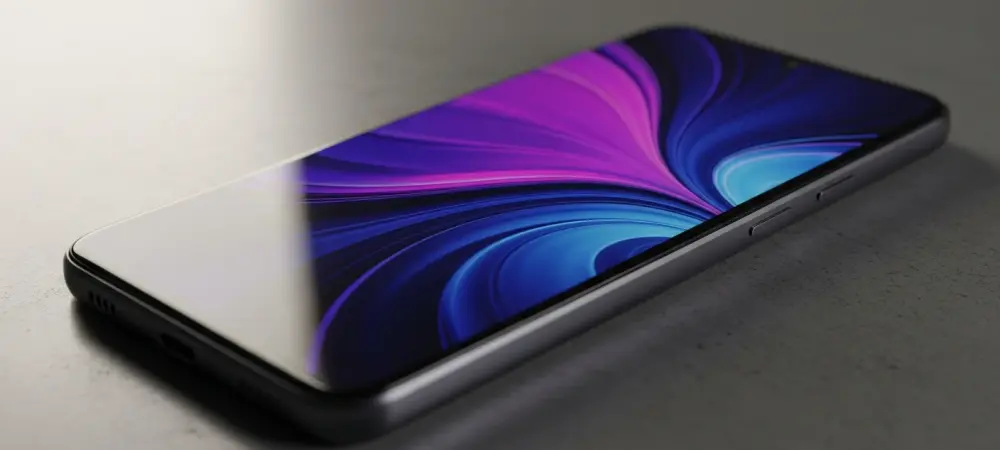
Introduction
Recent certifications from the FCC suggest that Samsung is preparing to refresh its entry-level lineup with a device that prioritizes endurance over raw speed. The Samsung Galaxy A08 4G has surfaced in regulatory filings, indicating that a launch is imminent for both single and dual-SIM variants. As consumers increasingly demand longer-lasting hardware, this model aims to address charging anxiety through a power cell upgrade.
The objective of this exploration is to dissect the technical specifications revealed in recent leaks and certifications. Readers can expect to learn about the specific battery capacity improvements, processing hardware continuity, and the software ecosystem that will define this budget-friendly smartphone upon its arrival in the global market.
Key Questions or Key Topics Section
What Are the Expected Battery Specifications for the New Model?
The FCC filing reveals a rated battery capacity of 5,830mAh, which typically translates to a marketed 6,000mAh typical capacity for consumers. This represents a significant twenty percent increase compared to the previous generation, which utilized a standard 5,000mAh cell. Such a jump allows for multi-day usage, making it a standout feature in the budget category.
Modern manufacturing techniques allow for higher energy density without significantly increasing the physical footprint of the device. When paired with a power-efficient chipset, the battery life could set a new benchmark for the Galaxy A-series, catering to those who spend long hours away from power outlets.
How Does the Performance and Charging Speed Compare to Its Predecessor?
Despite the massive battery, the core processing power remains anchored by the MediaTek Helio G99 chipset, the same silicon found in the Galaxy A07 4G. Samsung is focusing on refining the software experience rather than chasing incremental speed benchmarks. This continuity ensures a stable and familiar performance level for social media, web browsing, and basic productivity. Regarding charging, the device is expected to maintain support for 25W fast charging. It is important to note that a charger will likely be absent from the retail packaging. Users will need to utilize an existing compatible adapter to achieve the fastest possible replenishment speeds for the large battery.
Which Software and Connectivity Features Will Be Included?
Preliminary data points toward a launch with Android 17, placing the device at the forefront of the latest software ecosystem from its debut. This provides a modern interface and the latest security protocols. Connectivity remains robust for a 4G-focused device, including dual-band Wi-Fi support and various LTE bands to ensure reliable coverage across different regions. While the 4G model is the current focus of leaks, a 5G version is anticipated to follow as the product cycle progresses. This phased rollout allows Samsung to cater to different market segments based on regional infrastructure availability and price sensitivity.
Summary or Recap
The Galaxy A08 4G emerges as a specialized tool for longevity, trading groundbreaking performance for a massive 6,000mAh battery. The combination of the proven Helio G99 chipset and the latest Android version creates a reliable platform for budget-conscious buyers. While it retains the design language of its predecessor, the internal focus on power management defines its value proposition in a crowded market.
Conclusion or Final Thoughts
Endurance was no longer a luxury but a baseline expectation for entry-level hardware. Users considered how these battery enhancements aligned with their daily habits as the market shifted toward prioritizing reliability over high-end features. This release demonstrated a commitment to longevity that redefined the standard for budget smartphones.