

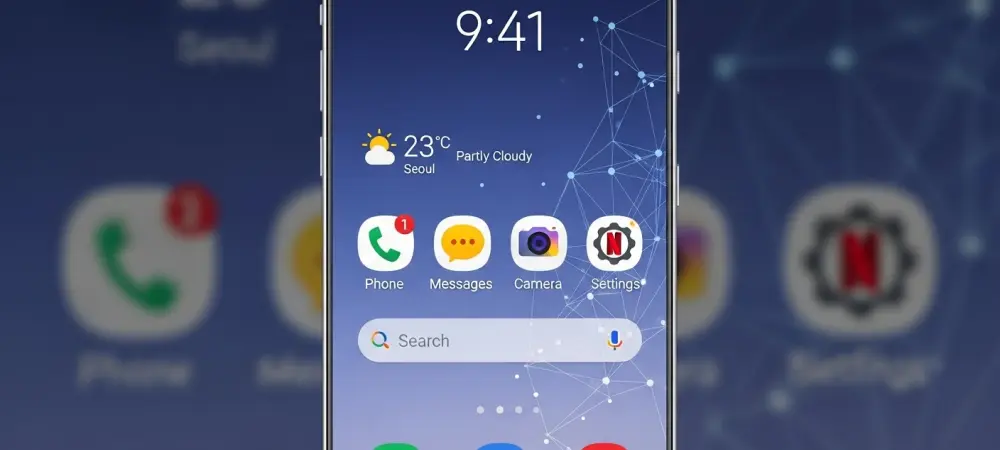
Strengthening Mobile Defense: The Next Evolution of Security
Safeguarding personal digital footprints has shifted from a mere preference to an absolute necessity as mobile devices now hold the most intimate details of our daily lives. Samsung’s One UI 9, built on the Android 17 framework, aims to provide a formidable barrier against unauthorized access. This update specifically targets brute-force strategies where attackers use automated tools to cycle through thousands of password combinations until they find the correct one.
Readers can expect to learn about the technical nuances of these features and how they redefine the balance between user access and device protection. This exploration covers the escalation of lockout periods, the long-term failure caps, and the hardware that will first benefit from these upgrades. By prioritizing data integrity, the software overhaul ensures that Galaxy devices remain a secure vault for sensitive information in a landscape of evolving threats.
Key Questions: Protecting Your Galaxy Device
How Does One UI 9 Implement Escalating Lockout Penalties?
The primary defense mechanism involves a strict failure threshold that triggers progressive time delays after successive incorrect attempts. While the system allows for minor human error initially, five consecutive mistakes result in a mandatory one-minute cooling-off period. This penalty structure is designed to disrupt automated scripts that rely on rapid-fire entry to bypass biometric or PIN security, making it impossible to run high-speed guessing programs.
As the number of failures increases, the system becomes significantly more restrictive to deter persistent intrusion attempts. A sixth failed attempt pushes the lockout to five minutes, while the eighth attempt bars entry for a full half-hour. By the time a twelve-failure threshold is reached, the device enters a 24-hour lockout, effectively rendering it useless for an attacker trying to crack a code within a reasonable timeframe.
What Happens When the Attempt Limit Is Exceeded?
Upon reaching the thirteenth consecutive failed attempt, the operating system triggers a specialized lockdown mode that prioritizes data protection over all other functions. This state is intended to isolate the device entirely, necessitating a factory reset to regain any functionality. By wiping all internal storage, Samsung ensures that sensitive information remains inaccessible even if the physical hardware is compromised or stolen.
This drastic measure serves as the final line of defense against sophisticated hacking attempts. It reflects a strategic decision to prevent data leakage at the cost of local storage, emphasizing that a blank device is preferable to one with exposed private credentials. Users are encouraged to maintain consistent backups to avoid permanent loss, as the reset process is irreversible once the system determines the device is under attack.
Does the Software Account for Accidental Input Errors?
A notable innovation within this security suite is the intelligent handling of duplicate incorrect passcodes. To prevent accidental lockouts caused by repetitive typing errors or unintentional pocket touches, the software identifies and ignores identical entries. This ensures that the failure count only increases when distinct, incorrect combinations are entered, providing a buffer for legitimate users who might struggle with a screen. Furthermore, Samsung is implementing a long-term cap of 20 failed attempts distributed over a twenty-year span. This multi-decade restriction highlights a commitment to long-term security, ensuring that a device cannot be slowly compromised over several years of intermittent attempts. Such a forward-thinking approach provides peace of mind for those planning to keep their hardware for extended periods while maintaining high defense standards.
Which Devices Benefit From This Improved Security Infrastructure?
The newest flagship releases, including the Galaxy Z Fold 8 and Galaxy Z Flip 8, arrive with these security enhancements fully integrated into their core software. These devices showcase the peak of hardware integration with the One UI 9 environment, offering the most robust protection currently available. However, the update is not limited to new releases and is slated for a broader rollout to various compatible handsets and tablets.
This shift represents a growing consensus in the tech industry that prioritizes data integrity and device security over the convenience of unlimited login attempts. By standardizing these protections across various models, the company is democratizing high-level security for all its users. Mobile users can now expect a more resilient defense against unauthorized physical access regardless of their specific device choice or price point.
Summary: A New Standard for Mobile Privacy
The transition to One UI 9 marks a significant milestone in mobile safety by integrating a rigorous lockout system that scales with the threat level. Features like the 24-hour lockout and the final lockdown mode create a hostile environment for brute-force tools while maintaining safeguards for honest mistakes. The intelligent filtering of duplicate entries and the 20-year attempt cap ensure that security remains effective without becoming overly burdensome.
Moreover, the integration of these features across both flagship and mid-range devices signals a future where high-end security is a baseline expectation rather than a luxury. This comprehensive approach empowers users to trust their devices with more sensitive tasks, knowing that the software actively monitors for malicious access patterns. These updates reinforce the device as a secure vault for personal data in a modern digital environment.
Final Thoughts: The Impact of Uncompromising Security
The implementation of these robust protocols demonstrated a clear priority for user privacy over the simplicity of unrestricted access. Developers recognized that the increasing complexity of cyber threats required a more proactive and uncompromising defense strategy. Users were encouraged to adopt proactive backup habits to mitigate the risks associated with the new factory reset thresholds. This shift successfully fostered a more secure environment where personal information remained protected against unauthorized intrusion.
As this security paradigm became the new norm, it paved the way for deeper integration between hardware and software defenses. The community adapted to the stricter rules by valuing data integrity above all else, ensuring that the risk of data theft was significantly minimized. This evolution reflected a broader cultural change toward digital self-defense, where the software acted as a vigilant guardian of the user’s digital life.