

The Indian smartphone market is currently witnessing a dramatic shift in consumer priorities, where the sheer fragility of modern glass-slab devices is being challenged by a growing demand for hardware that survives more than a light drizzle or a short fall onto a carpeted floor. Recent industry leaks suggest that Oppo is preparing to capitalize on this sentiment by expanding its specialized F-series with the imminent release of the F33 and F33 Pro. Scheduled for a launch during the third week of April, these mid-range devices aim to bridge the gap between industrial-grade durability and the sleek aesthetics expected by everyday users. By focusing on extreme environmental resistance and massive power reserves, the series seeks to address the persistent anxiety of battery depletion and accidental damage that plagues the modern mobile experience. As the competition for the mid-range segment intensifies, the introduction of these ruggedized models could potentially signal a move away from the obsession with thinness toward a more practical, utility-driven design philosophy.
Evolution of Durability in the Mid-Range Segment
Advancements in Environmental Resistance and Structural Integrity
The upcoming F33 lineup is expected to push the boundaries of what consumers expect from a mid-range chassis by refining the high-tier protection standards established by its predecessors. Historically, high-tier IP ratings were reserved for expensive flagship models, but the F33 series is rumored to maintain and enhance its IP69, IP68, and IP66 certifications. These ratings are not merely marketing buzzwords; they represent a device’s ability to withstand high-pressure water jets and prolonged submersion, making them ideal for India’s varied climatic conditions, from monsoon downpours to dusty rural environments. The integration of such robust sealing technology into a device priced for the mass market suggests a deliberate attempt to capture a demographic that values longevity and physical resilience over annual upgrade cycles. This structural reinforcement likely extends to the internal framework, where specialized shock-absorbing materials are used to protect sensitive components like the motherboard and camera sensors from the kinetic energy of unexpected impacts.
Furthermore, the hardware resilience is complemented by a display technology that does not compromise on visual quality despite its protective layering. Reports indicate that the F33 series will likely retain the 6.5-inch 120Hz AMOLED panels found in earlier iterations, but with improved scratch resistance and higher peak brightness to ensure legibility under the harsh afternoon sun. The challenge for Oppo lies in balancing this “rugged utility” with a design that remains ergonomic and pocketable. While traditional rugged phones are often bulky and cumbersome, the F33 series appears to be pursuing a “refined ruggedness” that maintains a manageable profile without sacrificing the 7,000mAh battery that has become a hallmark of the series. By focusing on these specific engineering hurdles, the manufacturer is positioning itself as a leader in a niche that was previously underserved by major brands, offering a specialized alternative to the more fragile competitors currently occupying the Indian market shelves.
Strategic Power Management and Rapid Charging Solutions
Battery life remains the single most important factor for many Indian consumers who find themselves away from a charging port for extended periods. To address this, the F33 and F33 Pro are slated to carry forward the massive 7,000mAh battery capacity, a feature that significantly outpaces the standard 5,000mAh cells found in most contemporary smartphones. This focus on “power endurance” is not just about the size of the tank but also the efficiency of the engine. The expected use of the MediaTek Dimensity 7300-Energy and Dimensity 6300 chipsets indicates an optimization strategy aimed at maximizing every milliampere-hour through intelligent task scheduling and lower thermal output. This allows for multi-day usage on a single charge, which is a transformative feature for outdoor professionals, travelers, and residents in areas with inconsistent power infrastructure. The ability to rely on a device for forty-eight hours of moderate to heavy use provides a level of freedom that conventional flagships cannot currently match.
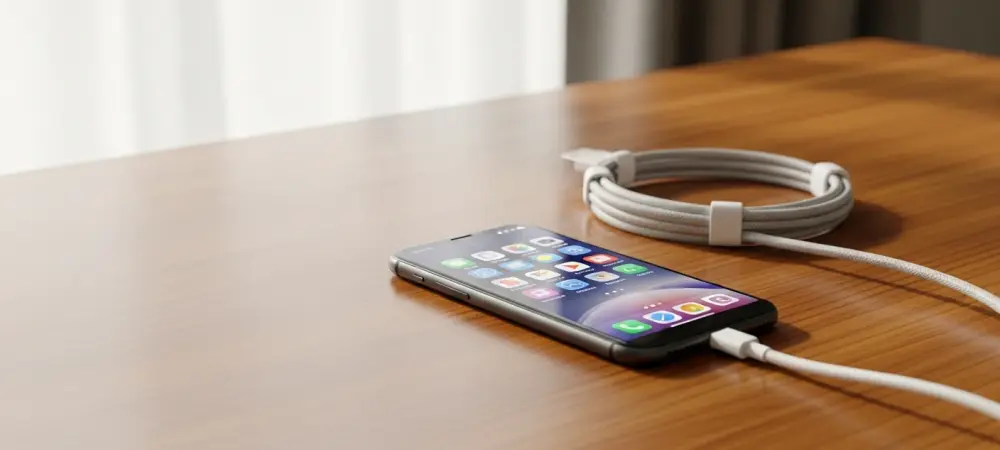
In addition to the sheer capacity, the implementation of 80W fast charging ensures that the downtime required to refill such a large reservoir remains relatively short. Charging a 7,000mAh battery can be a lengthy process with standard chargers, but the high-wattage solution expected in the F33 series aims to bring the device back to functional levels within minutes rather than hours. This synergy between high capacity and rapid recovery creates a user experience where the battery becomes a secondary thought rather than a constant source of concern. As software becomes more demanding and 5G connectivity continues to drain resources, having a hardware-level surplus of energy serves as a safety net. This approach to power management reflects a deep understanding of the local market’s needs, where reliability often takes precedence over experimental features. By doubling down on these core utilities, the series establishes a clear value proposition that distinguishes it from the crowded field of similar mid-range offerings.
Market Positioning and Competitive Landscape
Navigating the Higher Price Bracket in India
The shift in pricing for the F33 series, which is expected to range between Rs. 25,000 and Rs. 35,000, marks a significant departure from the more affordable starting points of previous years. This upward movement places the new models in direct competition with established players like the Motorola Edge 70 and the Nothing Phone (4a). To justify this premium, the F33 series must offer more than just a large battery; it needs to provide a holistic experience that justifies the extra investment. The inclusion of upgraded 50-megapixel primary camera systems and more sophisticated AI-driven software features is likely the key to this strategy. By moving into this higher bracket, the series is targeting a more discerning consumer who is willing to pay more for a device that won’t break or die during a long workday. This pricing strategy also suggests that the cost of high-grade materials and specialized manufacturing processes required for extreme durability is being reflected in the final retail price.
The competitive pressure from brands like Redmi and Motorola means that Oppo cannot rely on ruggedness alone to secure market share. The Motorola Edge series, for instance, often emphasizes sleek designs and clean software, while the Redmi Note 15 Pro focuses on raw performance and high-resolution photography. In this context, the F33 series carves out a unique identity by prioritizing “survivability” as its primary selling point. This attracts a specific segment of the workforce—engineers, field researchers, and delivery partners—who require a tool that can handle the rigors of their professional lives. The increased price point indicates that the manufacturer views these rugged features not as a budget-friendly compromise, but as a premium specialty that commands a higher market value. Success in this segment will depend on how effectively the brand communicates the long-term savings associated with a durable phone, such as reduced repair costs and a longer overall lifespan compared to more delicate competitors.
Future Implications for Durable Mobile Technology
As the mobile industry moves through the latter half of the decade, the focus is increasingly shifting toward sustainability and the longevity of hardware. The F33 series represents an early adoption of this trend within the mid-range market, where durability is treated as a core feature rather than an afterthought. By proving that a phone can be both rugged and feature-rich, the manufacturer is setting a precedent that other companies may feel compelled to follow. If the F33 series sees strong adoption in India, it could lead to a broader industry movement where IP ratings and reinforced chassis become standard requirements rather than optional extras. This would eventually benefit the consumer by reducing the frequency of hardware failures and electronic waste. The emphasis on internal processing power combined with physical toughness ensures that the device remains relevant and functional for several years, aligning with the growing consumer desire for sustainable technology.
Looking ahead, the success of this series will likely influence how mid-range devices are designed for other emerging markets with similar environmental challenges. The integration of high-tier water resistance and massive batteries is no longer a niche requirement but a practical necessity for many users worldwide. Manufacturers will need to continue innovating in material science to further reduce the weight and thickness of these rugged components without compromising their protective qualities. The F33 series serves as a litmus test for whether the general public is ready to embrace a slightly more substantial device in exchange for total peace of mind. As software support cycles also extend toward the end of the decade, having hardware that can physically last as long as the software is supported becomes a critical advantage. This shift toward “utilitarian excellence” may well redefine the standard for what a reliable smartphone should be in the modern era, moving the industry toward more resilient and dependable consumer electronics.
The transition toward ruggedized mobile devices represents a significant step in the evolution of consumer electronics, prioritizing long-term reliability over fleeting aesthetic trends. Consumers should look beyond surface-level specifications and evaluate how a device’s physical build matches their daily environment and professional demands. For those considering a new purchase, it is advisable to prioritize hardware certifications like IP69 and high-capacity batteries, as these features provide tangible value over the lifespan of the phone. The market is clearly moving toward a more sustainable model where durability and power endurance are no longer exclusive to industrial tools but are integrated into mainstream consumer products. Embracing this shift will likely lead to fewer hardware replacements and a more dependable mobile experience for users across all sectors.