

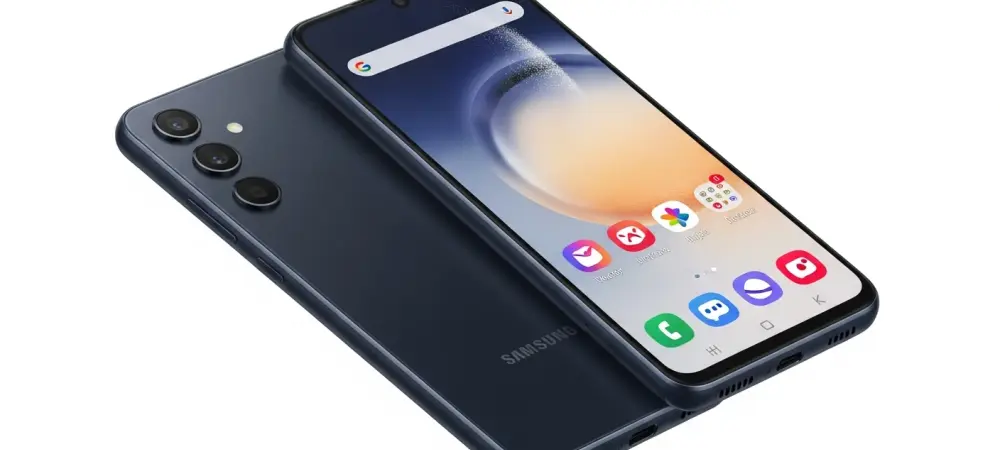
The rapid democratization of high-speed mobile networks has forced a radical rethink of how manufacturers design smartphones for the average consumer who demands longevity without a flagship price tag. The Samsung Galaxy A27 5G arrives as a definitive answer to this challenge, marking a pivot in the mid-range sector where software resilience is becoming more valuable than raw, unbridled hardware power. This shift signals a departure from the traditional spec-war, focusing instead on how a device can remain functional and secure over a multi-year lifecycle in a fluctuating global economy.
Introduction to the Galaxy A27 5G and Mid-Range Evolution
The mid-range smartphone market has transformed from a dumping ground for cut-down flagship features into a specialized tier defined by strategic compromises. The Galaxy A27 5G emerges within this context, utilizing a architecture designed to maximize 5G efficiency while keeping production costs manageable. By balancing core components like the display and battery with a focused internal layout, Samsung aims to provide a reliable entry point into the modern digital ecosystem for users who prioritize stability over novelty.
As 5G becomes the global standard, the relevance of this device lies in its ability to bridge the gap between expensive premium models and underpowered budget phones. It acts as a conduit for advanced connectivity, ensuring that high-speed data access is not a luxury but a standard tool for the modern workforce. This evolution reflects a broader trend toward sustainable technology where the goal is to provide a consistent user experience that does not degrade significantly within the first few years of ownership.
Core Hardware Specifications and Performance Analysis
The Snapdragon 6 Gen 3 and Processing Efficiency
At the heart of this handset lies the Snapdragon 6 Gen 3, a chipset that prioritizes thermal management and energy conservation over record-breaking speeds. Featuring an octa-core configuration with a 2.40GHz peak clock speed, the processor is built to handle standard modern workloads—social media, streaming, and moderate productivity—without the overheating issues often found in more aggressive silicon. The Adreno 710 GPU complements this by providing smooth visual rendering for everyday tasks, though it clearly targets efficiency rather than high-end gaming performance.
Memory Management and Benchmark Results
Recent data indicates a conservative approach to internal resources, with the 6GB RAM configuration delivering respectable results in synthetic benchmarks. A single-core score of 777 and a multi-core result of 1,802 suggest that while the device will not set new records, it possesses enough headroom for smooth multitasking. This hardware choice reflects a deep understanding of the average user’s habits, where the ability to switch between a few essential apps without lag is more critical than the capacity to run intensive professional software.
Emerging Trends in Mobile Hardware Strategy
The industry is witnessing a strategic shift where manufacturers increasingly lean on mature, proven chipsets to mitigate the soaring costs of memory and advanced camera modules. By selecting the Snapdragon 6 Gen 3, Samsung avoids the volatility of the newest, most expensive silicon, allowing them to maintain a competitive retail price despite inflationary pressures on the global supply chain. This move suggests that the value of a mid-range phone is no longer found in its “newness” but in the reliability of its components.
Furthermore, this strategy allows for better optimization within the software layer. When a manufacturer works with a known hardware platform, they can refine the interaction between the operating system and the processor more effectively. This trend toward “hardware maturity” ensures that consumers receive a polished product that has already seen its major bugs ironed out in previous iterations or similar hardware environments, resulting in fewer day-one technical frustrations.
Real-World Applications and Market Positioning
The Galaxy A27 5G is increasingly positioned as a workhorse for the distributed workforce, providing the necessary 5G speeds for cloud-based collaboration without the financial burden of a high-tier corporate fleet. In sectors like logistics and retail, where workers need constant access to inventory databases and communication tools, the device offers a balance of durability and connectivity. Its role in these environments highlights the shift of smartphones from personal gadgets to essential industrial utilities.
Beyond the corporate world, the device targets emerging markets where 5G infrastructure is expanding rapidly but consumer spending power remains constrained. By offering a recognizable brand name with a long-term support promise, Samsung captures a segment of the market that might otherwise turn to less reliable local brands. This global positioning ensures that the technology reaches a diverse audience, from students in developing regions to budget-conscious professionals in saturated Western markets.
Challenges and Technical Limitations
However, this reliance on older architecture creates a noticeable performance gap when compared to aggressive competitors who may prioritize newer chips at the expense of software quality. The use of older silicon means that while the device is stable today, it may struggle with the hardware demands of the most advanced applications five years down the line. This creates a tension between the immediate affordability of the phone and its ultimate technical ceiling, a trade-off that savvy users must carefully weigh.
To counter these limitations, there is a significant push toward software-side optimizations. By streamlining background processes and improving how the system handles cache, developers can extract more longevity from the existing hardware. Nevertheless, the physical constraints of a mid-range GPU and limited RAM remain a bottleneck for intensive tasks like 4K video editing or high-fidelity augmented reality applications, areas where this device clearly cedes ground to more expensive alternatives.
Future Outlook and the Software-First Paradigm
The most compelling aspect of this release is the early integration of Android 16 and One UI 8.5, signaling a future where the software environment outlasts the hardware’s peak years. This software-first approach suggests that the industry is moving toward a model similar to the PC market, where the operating system is designed to run efficiently on a wide range of hardware ages. This extended support cycle is a bold move that could redefine consumer expectations for the lifespan of a sub-$400 smartphone.
As we look toward the next several years, the impact of this strategy will likely force other manufacturers to follow suit, prioritizing long-term security patches and OS updates over marginal annual hardware upgrades. This development could lead to a more sustainable mobile industry where devices are discarded less frequently, reducing electronic waste and providing better long-term value. The focus will remain on how software can bridge the gap left by static hardware specs through intelligent resource management.
Summary and Final Assessment
The evaluation of this technology revealed a calculated trade-off that favored software longevity and price stability over cutting-edge processing power. By utilizing a mature hardware platform, the manufacturer successfully navigated the complexities of rising component costs while delivering a device capable of supporting the next generation of mobile operating systems. The balance achieved here represented a shift toward practical utility, ensuring that essential 5G connectivity remained accessible to a global audience without sacrificing the security of a modern software ecosystem.
Ultimately, the market benefited from a device that valued the user’s long-term experience over short-term marketing hype. Industry players should now consider how to further optimize software to extend hardware life even further, perhaps by introducing modular software components that can be toggled based on the device’s aging capabilities. Moving forward, the focus must remain on creating a circular tech economy where software efficiency acts as the primary driver for performance, ensuring that mid-range devices remain relevant well beyond their initial launch window.