

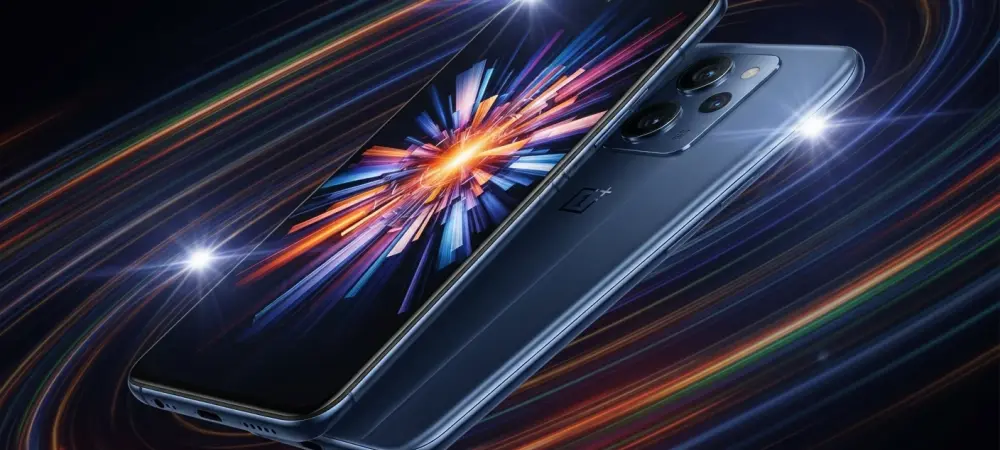
The persistent frustration of reaching for a mobile device mid-afternoon only to find a low-battery notification remains a defining struggle for modern smartphone users across all price tiers. While flagship models often receive the latest efficiency optimizations, budget-conscious consumers have traditionally been forced to trade performance for longevity or settle for cumbersome, heavy chassis designs. Recent developments in battery chemistry suggest that this compromise may soon become obsolete as manufacturers explore higher energy densities. The announcement of the OnePlus Turbo 6X signals a shift toward prioritizing high-capacity cells without inflating the physical dimensions of the hardware. By integrating advanced materials like silicon-carbon anodes, this upcoming release aims to bridge the gap between affordability and multi-day reliability. Such an advancement could fundamentally change how entry-level hardware is perceived, especially as the demand for power-intensive applications continues to grow. This shift represents more than just a minor spec bump; it is a calculated response to the increasing reliance on mobile computing.
The Evolution of Glacier Battery Technology: Efficiency and Performance
Central to the capabilities of the OnePlus Turbo 6X is the implementation of the Glacier Battery architecture, which utilizes a specialized high-density silicon material to increase capacity. Traditional graphite anodes are limited by their expansion during charge cycles, but newer silicon-carbon composites allow for a thinner profile while holding roughly 6,100mAh of energy. This technical feat ensures the device maintains a slim aesthetic of approximately 7.8mm, avoiding the bulky designs common in high-capacity phones. Beyond raw capacity, the integration of a dedicated power management chip, the SuperVOOC S, optimizes discharge rates by monitoring thermal levels. This system minimizes energy waste during background processes, extending hardware lifespan over years of use. By targeting the mid-range segment with such innovations, brands disrupt the standard product lifecycle. Users no longer need premium handsets for rapid charging paired with massive reserves. This democratization of energy solutions forces competitors to rethink hardware strategies.
Market Implications: Setting a New Standard for Endurance
The introduction of the OnePlus Turbo 6X demonstrated that high-performance energy solutions were attainable without the premium price tag. Firms moved away from the habit of reserving efficient power management exclusively for flagship series. This shift encouraged engineers to prioritize thermal regulation and chemical stability in everyday devices. For consumers looking to maximize their investment, the focus moved toward verifying the presence of silicon-anode technology in future purchases. It became essential for buyers to evaluate not just the mAh rating, but the underlying architecture that managed heat and longevity. The success of this model provided a roadmap for sustainable mobile design where longevity reduced the frequency of device replacements. Future considerations included the standardization of solid-state components to further enhance safety. Industry analysts recommended that hardware brands adopt these high-density standards to remain competitive. The era of the budget phone being synonymous with limited battery finally ended as these benchmarks became the baseline.