

The relentless race for smartphone supremacy has reached a fever pitch as rumors swirl around a device that promises to shatter existing performance benchmarks through brute engineering force. While recent industry trends favored safe, iterative updates, the leaked specifications for the OnePlus 16 indicate a radical rejection of the status quo. This upcoming handset seems designed to provoke a market that has grown accustomed to modest improvements in efficiency and display brightness.
Breaking the Spec Ceiling in an Era of Incremental Mobile Updates
The smartphone industry has settled into a predictable rhythm of minor refinements, yet the latest leaks regarding the OnePlus 16 suggest a violent departure from this trend. OnePlus appears to be prepping a device that prioritizes extreme hardware over conservative stability. The prospect of a device sporting a 5GHz clock speed and a battery capacity that nearly doubles current industry norms challenges the very definition of a standard flagship.
Such a leap in specifications implies that the era of playing it safe is over for the brand. By moving away from incrementalism, the focus shifts toward providing a surplus of power that ensures longevity. This approach suggests that future consumers will no longer accept minor annual upgrades but will instead demand significant, tangible jumps in raw capability.
The Strategic Pivot: From Mainstream Competitor to Technological Pioneer
The merger with Realme under the Oppo umbrella has fundamentally altered the trajectory of OnePlus, moving it away from its flagship killer roots toward a role as a high-end experimental powerhouse. This shift matters because the market is currently starving for genuine hardware innovation that justifies the rising cost of premium handsets. By leveraging the combined R&D resources of its parent company, the brand is positioning itself to address primary pain points like battery anxiety and processing bottlenecks.
Furthermore, this pivot reflects a desire to set trends rather than follow them. Instead of competing on marketing alone, the strategy involves using brute-force hardware to create a performance gap that rivals cannot easily bridge. This aggressive stance marks a return to the disruptive nature that originally defined the brand’s identity in the mobile space.
Raw Performance and Endurance Redefined Through Unprecedented Specifications
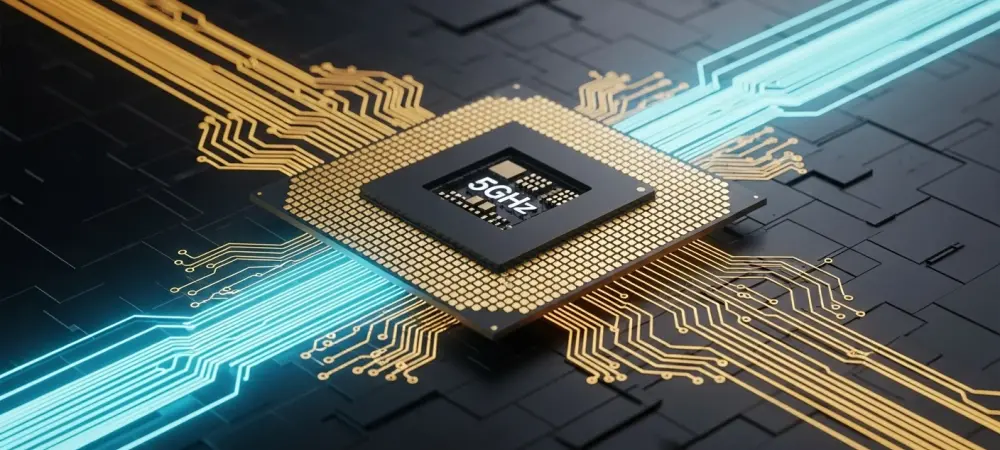
The core of the OnePlus 16’s potential lies in its rumored Snapdragon 8 Elite Gen 6 Pro chipset, a processor reportedly pushed to a staggering 5GHz frequency to ensure peak performance. This processing power is paired with a display that seeks to eliminate physical borders, utilizing LTPO and LIPO technology to achieve ultra-thin 1mm bezels on a flat BOE panel. Such precision in design indicates a shift toward maximizing screen real estate without increasing the device’s overall size. To support such high-performance hardware, the device is tipped to include a massive 9,000mAh battery, a figure that would effectively render current 5,000mAh standards obsolete. This battery density potentially offers multi-day longevity for power users, setting a new expectation for mobile endurance. Such specifications represent a commitment to high-utility hardware that thrives under the most demanding modern workloads.
Revolutionary Optics: Integration of Next-Generation Software Logic
Credibility for this model as a top-tier contender is further bolstered by an ambitious imaging system, centered around a 200-megapixel periscope telephoto lens designed for long-range clarity. This is not merely a high-resolution sensor for marketing purposes; it is part of a sophisticated triple-camera array that aligns with professional-grade expectations. The hardware is built to handle complex depth mapping and zoom capabilities that were previously reserved for dedicated cameras. Beyond the glass, the introduction of OxygenOS 17, coupled with a dedicated hardware AI button, indicates a shift toward a more tactile and intelligent user interface. This integration allows for a seamless connection between powerful optics and smart processing. It streamlines complex software functions into single-press interactions, ensuring that artificial intelligence serves as a practical tool for everyday photography and task management.
Evaluating the Practical Impact: Future Flagship Expectations
For those looking to transition to the next generation of mobile technology, the OnePlus 16 provided a framework for what a high-utility device should offer. This prototype approach forced a re-evaluation of the current flagship landscape, suggesting that true innovation was no longer found in software tweaks alone but in the relentless pursuit of hardware limits. Industry standards shifted as high-refresh-rate displays and extreme battery capacities became the new benchmarks for value.
Moving forward, the focus was placed on sustainable power and thermal efficiency to maintain these extreme clock speeds. The transition encouraged a broader market movement where technical supremacy was measured by the ability to handle generative tasks and high-fidelity gaming without compromise. Ultimately, this shift ensured that users received a device capable of remaining relevant and powerful for several years beyond its initial launch.