

The line between professional workstations and the devices resting in our palms has blurred to the point of total disappearance. This transformation signals a radical shift as brands move from prioritizing basic functionality to delivering desktop-class performance in a pocket-sized form factor. This trend is significant because it reflects a changing consumer appetite where speed and longevity are no longer luxury features but essential requirements for the modern digital lifestyle. Consumers now expect their mobile devices to handle intensive video editing and triple-A gaming without breaking a sweat or requiring a midday charge.
The Evolution of Performance-Driven Mobile Ecosystems
Market Shifts: The Rise of High-Velocity Hardware
Current adoption statistics show a massive surge in demand for mid-to-high performance chipsets, moving away from entry-level silicon. This migration toward more robust internal architecture indicates that users are prioritizing technical velocity over mere aesthetics. In emerging markets like India, the performance-focused segment is growing faster than any other category as connectivity speeds increase.
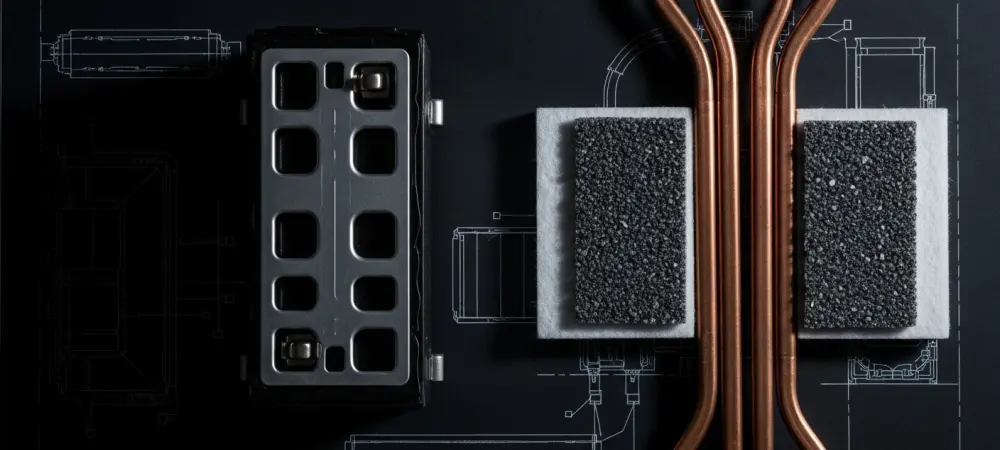
Growth in mobile gaming and high-end productivity sectors is driving manufacturers to standardize features that were once considered extreme. We are seeing a new baseline that includes 100W rapid charging and high-efficiency vapor cooling systems. These advancements ensure that the hardware can sustain peak output without thermal throttling, allowing for a seamless user experience during prolonged sessions of heavy lifting.
Strategic Implementation: Redmi’s Move to the Performance Segment
Redmi has recently initiated a bold teaser campaign in India, signaling a transition toward the performance-oriented “Redmi S” and “Turbo” series. By integrating flagship-tier components like the MediaTek Dimensity 9500s, the brand is successfully rebranding itself from a budget-friendly option to a premium power contender. This move allows them to disrupt the traditional market hierarchy by offering high-velocity hardware at competitive price points. The real-world application of massive battery capacities, ranging from 7,560mAh to 9,000mAh, addresses the significant power-drain issues associated with 5G and high-refresh-rate displays. By solving these fundamental engineering hurdles, manufacturers are proving that portable devices do not have to compromise on endurance to achieve high frame rates. This strategy effectively captures the attention of power users who demand unrelenting reliability.
Expert Perspectives on the High-Performance Hardware Pivot
Industry analysts suggest that hardware manufacturers are rebranding their lineages to maintain market share in an increasingly saturated landscape. By turning “budget” lineups into “performance” powerhouses, companies can justify higher average selling prices while meeting the genuine technical needs of the modern workforce. Experts believe this pivot is a direct response to the rising complexity of mobile applications.
Hardware enthusiasts emphasize that the introduction of specialized “Turbo” series hardware disrupts the old-school tiering of mobile devices. Balancing extreme battery density with slim device ergonomics remains the primary engineering challenge for the coming years. However, the consensus remains that the pursuit of raw power is currently the most effective way for brands to differentiate themselves from a sea of identical-looking glass rectangles.
Future Outlook: The Convergence of Power and Portability
The focus on speed and responsiveness will likely lead to a new standard for ultra-performance mobile devices. As hardware efficiency increases, we will see significant benefits for on-device AI processing and advanced multitasking. These improvements will allow users to run complex local models without relying on cloud servers, enhancing both privacy and speed.
Potential challenges remain, particularly regarding the environmental impact of large-scale high-capacity battery production and the management of heat. Nevertheless, the competition between performance-heavy rivals will force a faster innovation cycle across all price points. This pressure ensures that even entry-level devices will eventually inherit the sophisticated cooling and processing tech developed for today’s top-tier models.
Navigating the New Era of Mobile Power
The industry successfully pivoted from budget-centric designs toward hardware architectures that prioritized processing power and battery endurance. This evolution moved beyond mere incremental updates, fundamentally changing how manufacturers approached the mid-range market. Companies like Redmi demonstrated that technical velocity could be a primary selling point, even in price-sensitive regions where value usually dictated consumer behavior.
Moving forward, stakeholders must focus on the sustainability of high-density energy cells and the ethical sourcing of the rare earth minerals required for high-velocity chipsets. As mobile hardware continues to rival desktop capabilities, the next frontier will involve optimizing software to fully utilize this surplus of raw power. This era of mobile computing proved that the demand for performance is universal, setting a global blueprint for the future of handheld technology.