

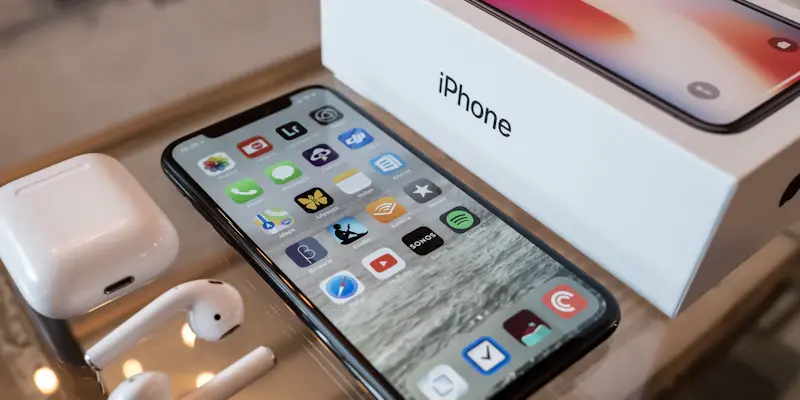
Apple’s iPhone SE series has always been a fan favorite for those seeking an affordable entry into the iOS ecosystem while retaining some of the premium features that define the brand. With the anticipated launch of the fourth-generation iPhone SE, also referred to as the iPhone SE 4 or iPhone 16e, Apple enthusiasts are buzzing with excitement about what the new device will bring to the table. Slated for a release in the first half of this year, the iPhone SE 4 is expected to come with several impressive specifications, making it a competitive addition to Apple’s lineup. The question on everyone’s mind is whether it will truly stand as Apple’s most affordable 5G smartphone yet.
Expected Features and Specifications
Rumors surrounding the iPhone SE 4 suggest that the device will feature a 6.06-inch full-HD+ LTPS OLED display, boasting a 60Hz refresh rate and incorporating a notch design. This would mark a significant upgrade from previous SE models, offering users a more modern and immersive display experience. Powering the device is expected to be Apple’s A18 Bionic chip, the same powerhouse found in the latest iPhone 16, ensuring that the SE 4 performs on par with its more expensive counterparts. On the camera front, the phone is rumored to house a single 48-megapixel rear camera, promising impressive photographic capabilities for a device in this price range.
Beyond the display and camera, the iPhone SE 4 may come equipped with Face ID, a feature that has become a staple in Apple’s high-end models. Additionally, the phone is expected to support Apple’s in-house 5G modem, providing users with faster and more reliable internet connectivity. The build quality is another aspect where the SE 4 seems to shine, with leaks indicating a metal frame and a waterproof design. Such features would not only provide durability but also add to the device’s overall premium feel.
Affordability and Positioning in the Market
One of the most intriguing aspects of the iPhone SE 4 is its positioning as Apple’s most affordable 5G-capable iPhone. According to leaks, the device is anticipated to be priced below $500 in the US, which would make it an attractive option for budget-conscious consumers looking to experience 5G technology without breaking the bank. In markets beyond the US, such as South Korea, the phone is expected to be priced over KRW 800,000. This pricing strategy could significantly broaden Apple’s reach in regions where cost is a major barrier to entry for premium smartphones.
Speculation suggests that the iPhone SE 4 will be offered with 6GB and 8GB LPDDR5 RAM options, which would provide users with ample memory for multitasking and running demanding applications. Additionally, the device is rumored to feature an aluminum frame and come with a USB Type-C port, aligning with the latest industry standards and offering greater compatibility with a range of accessories. The anticipated launch date of late April hints at a strategic release that would position the SE 4 as a significant player in the mid-range smartphone market.
A Potential Game-Changer?
The iPhone SE series by Apple has consistently been a popular choice for those looking to enter the iOS ecosystem without breaking the bank, while still enjoying some of the premium features that the brand is known for. With the highly anticipated release of the fourth-generation model, often called the iPhone SE 4 or iPhone 16e, Apple fans are eagerly awaiting to see what innovations this new device will introduce. Expected to be launched in the first half of this year, the iPhone SE 4 is rumored to come with a host of impressive specifications, making it a strong contender in Apple’s current lineup. The biggest question for many is whether it will indeed be Apple’s most affordable 5G smartphone to date. This potential makes it an exciting product, especially for those who want to experience 5G connectivity without paying the premium prices associated with Apple’s flagship models. Enthusiasts and new users alike are looking forward to what might be a very competitive and enticing option within Apple’s range of devices.