

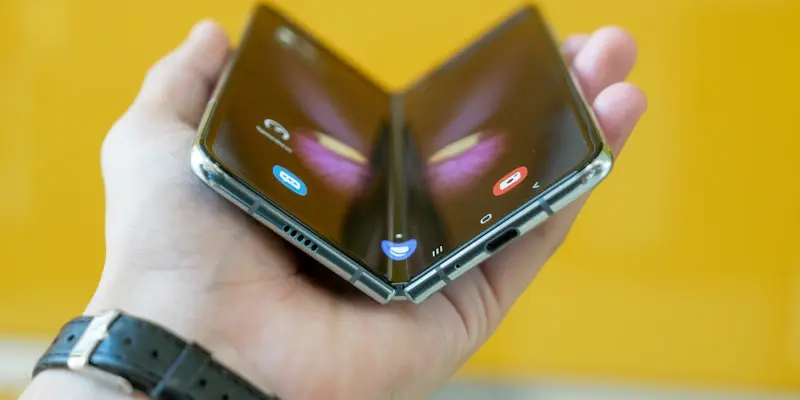
The emergence of tri-fold phones, particularly exemplified by the Huawei Mate XT and its anticipated successor, has sparked significant interest within the evolving landscape of foldable devices. This curiosity is not without merit, considering the potential these devices possess in both technological advancements and productivity. Since the first foldable phones hit the market, consumers have remained both intrigued and skeptical. This article explores the advancements, consumer reception, and industry trends related to tri-fold phones, and reflects on the trajectory of foldable phone innovation over recent years.
The initial announcement of the Huawei Mate XT in September 2024 generated waves of skepticism, as many were cautious about the reliability of foldable devices. Reflecting on the fragile and often unreliable nature of early foldable models, like the Samsung Galaxy Fold launched in 2019, it’s understandable why consumers were hesitant. However, in the span of five years, folding display technology has undergone significant advancements. This transformation has shifted the perception of the Mate XT from a potential prototype to a genuine technical marvel, showcasing the exciting possibilities that tri-fold phones can introduce to the market.
Technological Advancements in Foldable Phones
Technological innovations have played a pivotal role in the journey of foldable phones, and the Huawei Mate XT stands as a significant milestone in this evolution. TechRadar’s Phones Editor, Axel Metz, had a hands-on review of the Mate XT and described it as “a supremely exciting device.” Despite being exclusive to the Chinese market, the Mate XT has garnered attention for its cutting-edge tri-fold design. The possibility of a successor, speculated to be the Huawei Mate XTs, reinforces the notion that tri-fold phones are not merely a passing trend but a serious advancement in the future of foldable technology.
Currently, the foldable phone market largely features two main form factors: flip phones and booklet-style foldables. Flip phones, often reminiscent of the early 2000s, prioritize style over functionality. Conversely, booklet-style foldables such as Samsung’s Galaxy Z Fold 6 and Google’s Pixel 9 Pro are tailored towards productivity. However, despite the impressive internal displays of devices like the OnePlus Open, many consumers find that they lack the practicality needed to fully replace traditional slab phones for everyday tasks beyond casual activities like watching movies or playing simple games. This gap between design and usability highlights the need for continued innovations in the foldable segment.
Consumer Reception and Market Trends
As we approach the end of 2024, the foldable phone market appears to be facing a potential decline in sales. This slump is likely due to what some term a “middle-of-the-road mentality,” where current foldable phones do not offer substantial benefits over traditional slab models. However, the introduction of tri-fold phones could revitalize the niche foldable market by providing increased functionality and enhanced productivity capabilities. Beyond Huawei, industry enthusiasm for tri-fold displays is palpable, as evidenced by Samsung Display’s unveiling of two new tri-fold phone displays at CES 2025. Though still in conceptual stages, the existence of these prototypes signals serious exploration into tri-fold technology by major industry players.
Adding to the excitement, rumors from Korean news outlet Sisa Journal-E (via GSMArena) suggest that Samsung is planning to release a tri-fold device with an inner screen that remains protected when folded. This exclusive device is projected to have a limited run of 300,000 units in the latter half of 2025. The growing industry belief in the viability of tri-fold phones is underpinned by the promise that these devices could fulfill the productivity potential that existing foldable phones have yet to achieve. The distinct advantage offered by a tri-fold phone’s expansive screen real estate opens up new opportunities for more substantial computing tasks.
The Future Potential of Tri-Fold Phones
The rise of tri-fold phones, particularly highlighted by the Huawei Mate XT and its anticipated follow-up, has generated considerable interest in the ever-evolving arena of foldable devices. This fascination is warranted, given the potential these gadgets hold for both technological innovation and increased productivity. Since foldable phones first appeared, consumers have been both curious and doubtful. This piece delves into the advancements, market reception, and industry patterns concerning tri-fold phones and examines the evolution of foldable phone technology over recent years.
When Huawei announced the Mate XT in September 2024, it faced widespread skepticism. Consumers were wary of foldable phones due to the fragile and often unreliable early models, like the Samsung Galaxy Fold released in 2019. Given such a rocky start, hesitation was understandable. However, the last five years have seen significant enhancements in folding display technology. The Mate XT has evolved from being viewed as a speculative prototype to a genuine technological marvel, revealing the exciting potential tri-fold phones can bring to the market.