
Will the iPhone 17 Air’s Titanium Redesign and Faster Charging Impress?

Article Highlights
Off On

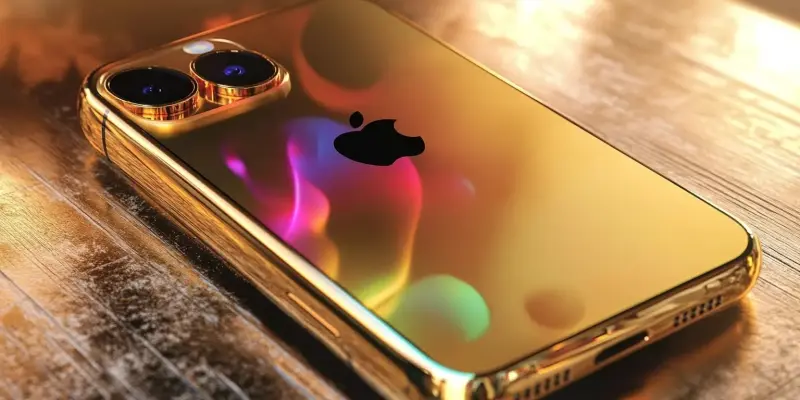
Apple enthusiasts and tech analysts alike are abuzz with anticipation as the release of the iPhone 17 series draws nearer, and the upcoming iPhone 17 Air has particularly captured attention. This revolutionary model is expected to replace the iPhone Plus in the lineup and brings significant changes in design and functionality. One of the most notable upgrades is the construction of the iPhone 17 Air. Moving away from previous aluminum frames, this device will feature a titanium frame, making it the slimmest Apple device at just 5.5mm thick. Titanium is renowned for its strength and lightweight properties, promising a durable yet sleek smartphone that could set a new standard in the industry.

What’s intriguing about this shift to titanium is that the other models in the lineup, including the base iPhone 17, 17 Pro, and 17 Pro Max, will revert to aluminum frames. This decision marks a departure from the previous usage of titanium and stainless steel, with Apple’s environmental considerations at the center of this change. Aluminum, thanks to its lower carbon footprint, aligns better with the company’s ambitious goal to achieve carbon neutrality by 2030. However, this transition has sparked debates among analysts. Jeff Pu and Ming-Chi Kuo, two leading tech analysts, offer differing views on the material composition. Pu supports the exclusive use of titanium for its superior properties, while Kuo suggests a hybrid of titanium and aluminum. Kuo argues that this blend would strike a balance between cost, weight, and durability, presenting a possible compromise for Apple.

The iPhone 17 Air is also set to introduce enhanced charging capabilities, which are generating considerable excitement. This model is anticipated to feature faster charging times and improved battery efficiency. Combined with its sleek design and robust construction, the iPhone 17 Air could represent a significant leap forward in smartphone technology. As the release date approaches, Apple enthusiasts are eagerly awaiting the opportunity to experience these advancements firsthand.

Explore more

What Guardrails Make AI Safe for UK HR Decisions?

Lead: The Moment a Black Box Decides Pay and Potential A single unseen line of code can tilt a shortlist, nudge a rating, and quietly reroute a career overnight, while no one in the room can say exactly why the machine chose that path. Picture a candidate rejected by an algorithm later winning an unfair discrimination claim; the tribunal asks

Is AI Fueling Skillfishing, and How Can Hiring Fight Back?

The Hook: A Resume That Worked Too Well Lights blink on dashboards, projects stall, and the new hire with the flawless resume misses the mark before week two reveals the gap between performance theater and real work. The manager rereads the portfolio and wonders how the interview panel missed the warning signs, while the team quietly picks up the slack

Choose the Best E-Commerce Analytics Tools for 2026

Headline: Signals to Strategy—How Unified Analytics, Behavior Insight, and Discovery Engines Realign Retail Growth The Setup: Why Analytics Choices Decide Growth Now Budgets are sprinting ahead of confidence as acquisition costs climb, margins compress, and shoppers glide between marketplaces and storefronts faster than teams can reconcile the numbers that explain why performance shifted and where money should move next. The

Can One QR Code Connect Central Asia to Global Payments?

Lead A single black-and-white square at a market stall in Almaty now hints at a borderless checkout, where a traveler’s scan can settle tabs from Silk Road bazaars to Shanghai boutiques without a second thought.Street vendors wave customers forward, hotel clerks lean on speed, and tourists expect the same tap-and-go ease they know at home—only now the bridge runs through

AI Detection in 2026: Tools, Metrics, and Human Checks

Introduction Seemingly flawless emails, essays, and research reports glide across desks polished to a mirror sheen by unseen algorithms that stitch sources, tidy syntax, and mimic cadence so persuasively that even confident readers second-guess their instincts and reach for proof beyond gut feeling. That uncertainty is not a mere curiosity; it touches grading standards, editorial due diligence, grant fairness, and