

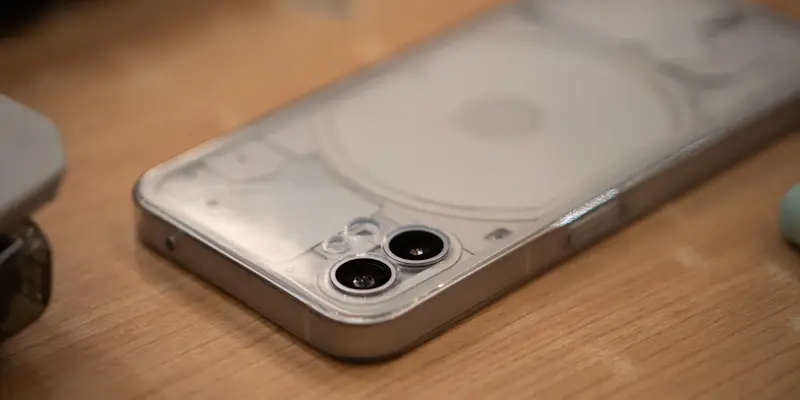
In the ever-evolving world of smartphones, Nothing is set to make a mark with its upcoming release of Nothing Phone (3a) and Nothing Phone (3a) Pro on March 4. The two devices promise to bring advanced camera capabilities and stylish design to the mid-range market, catering to tech enthusiasts who demand both performance and aesthetics at an affordable price. As the anticipation builds, both models have shown significant differences in their photographic prowess, providing consumers with options that suit their individual needs. The launch is particularly interesting for those keen to understand how Nothing plans to position itself amid fierce competition and what unique features it brings to the table.
Distinguished Camera Capabilities
The primary distinction between the Nothing Phone (3a) and its Pro counterpart lies in their camera features. The Nothing Phone (3a) boasts a 50 MP main camera paired with an 8 MP ultra-wide-angle lens, designed to deliver high-quality photos without breaking the bank. On the other hand, the Nothing Phone (3a) Pro elevates the photographic experience with an additional 50 MP telephoto camera. This advanced camera features triple optical zoom, optical image stabilization, and a macro mode, utilizing the robust Sony LYT-600 sensor in a 1/1.95-inch format. Such impressive specifications suggest that the Pro model is aimed at users who prioritize photography and need versatile capabilities in their smartphone cameras.
Photography enthusiasts will appreciate the added functionality that the Pro version offers. The combination of a 50 MP telephoto lens and enhanced stabilization ensures sharp, detailed images even in challenging conditions. The macro mode further extends the camera’s utility, allowing for close-up shots with incredible detail and clarity. These advanced features highlight Nothing’s commitment to providing a superior photographic experience, making the Nothing Phone (3a) Pro a compelling option for those looking to capture stunning images on the go.
Shared Features and Design Aesthetics
Beyond their camera capabilities, both models share several core features that make them competitive options in the mid-range smartphone market. The Qualcomm Snapdragon 7s Gen 3 processor powers both Nothing Phone (3a) and (3a) Pro, ensuring smooth performance and efficient multitasking. They also feature a 6.72-inch 120 Hz AMOLED display, providing vibrant visuals and fluid scrolling, enhancing the overall user experience. Equipped with a 5,000 mAh battery and 45-watt fast charging, these phones are designed for extended use without frequent recharging.
Another shared aspect is the 32 MP selfie camera, which guarantees high-quality front-facing photos and supports video calls in crisp detail. Both models come with IP64-certified housing, protecting them against water splashes, which gives users added peace of mind. The design aesthetics of the Nothing Phone (3a) series, highlighted by their partially transparent back panels and Glyph interface, underscore Nothing’s focus on innovation and style. The sleek design not only enhances the visual appeal but also sets these phones apart from typical mid-range devices, creating a unique identity that resonates with style-conscious consumers.
Affordability and Market Positioning
In the rapidly changing landscape of smartphones, Nothing is gearing up to make a significant impact with the launch of its upcoming Nothing Phone (3a) and Nothing Phone (3a) Pro on March 4. These two devices are set to offer advanced camera capabilities and elegant designs in the mid-range market, appealing to tech aficionados who seek both performance and aesthetics without breaking the bank. As interest and excitement grow, it becomes clear that the two models exhibit distinct differences in their photography features, giving consumers the choice to select a device that best meets their personal requirements.
This launch is particularly compelling for those curious about how Nothing plans to carve out its niche amid fierce competition and what unique attributes it will introduce. With the tech community abuzz with speculation, the Nothing Phone (3a) and its Pro counterpart are poised to redefine expectations in their category. By focusing on both form and functionality, Nothing aims to challenge the status quo and set new standards for mid-range smartphones, leaving enthusiasts eagerly awaiting the reveal.