

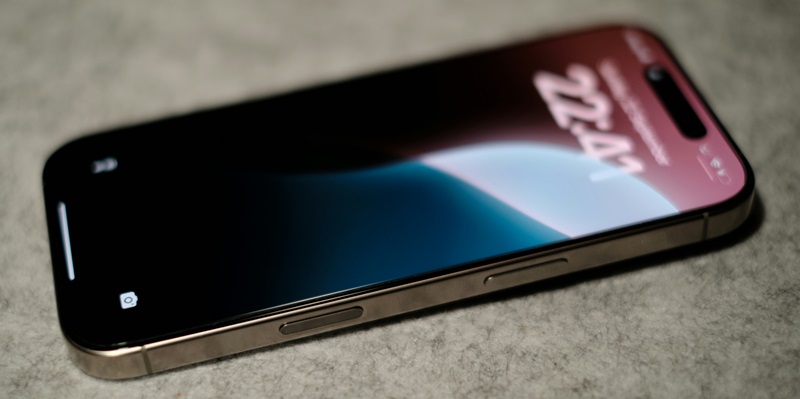
In a landscape where technological advancements continuously redefine our interactions, the upcoming iPhone 16 Pro holds the promise of revolutionizing our digital and real-world experiences. The highly anticipated features of this device signify a leap forward in terms of what smartphones can achieve, introducing innovations that blur the line between reality and virtual spaces. These additions, including holographic displays, solid-state batteries, AI-driven software, and quantum dot image sensors, have the potential to reshape communication, entertainment, and productivity. By addressing both the anticipation and caution surrounding these features, we can explore the broader implications of the iPhone 16 Pro on society and daily life.
Holographic Displays and Immersive Communication
Holographic displays, one of the iPhone 16 Pro’s most discussed features, promise to revolutionize how we communicate and entertain ourselves. This cutting-edge technology enables more lifelike virtual interactions, potentially reducing the need for physical presence during communications. Imagine a future where business meetings, family gatherings, and social interactions can take place in a holographic space, offering a deeper sense of connection despite physical distances. This innovation isn’t just limited to communication; the realm of entertainment stands to gain significantly as well. Gamers could find themselves fully immersed in a virtual environment, engaging with content in a manner that transcends traditional screens.
Education might also experience a paradigm shift. Imagine students interacting with historical figures, conducting virtual science experiments, or exploring distant planets—all within a classroom setting. These enhancements could offer an unprecedented level of engagement and comprehension. However, while the excitement surrounding holographic displays is palpable, it raises pertinent questions about data security and privacy. The integration of such technology could potentially blur the boundaries between private and public spaces, necessitating robust ethical guidelines to safeguard user data and interactions. As we embrace these advancements, ensuring they align with societal values and ethical considerations will be paramount.
Solid-State Batteries: A Leap in Energy Efficiency
The introduction of solid-state batteries in the iPhone 16 Pro marks a significant advancement in battery technology, promising not only enhanced battery life but also faster charging times. These batteries, known for their durability and efficiency, could potentially reduce electronic waste if they are mined sustainably. For users, this means having devices that require less frequent charging, thus contributing to longer device lifespans and a reduced environmental footprint. This innovation aligns with growing global concerns about electronic waste and sustainability, highlighting the role of consumer electronics in fostering a more eco-friendly future.
Beyond environmental implications, the convenience offered by solid-state batteries is tremendous. Users can expect their devices to be ready for use with minimal downtime, facilitating continuous productivity and connectivity. While the technological benefits are clear, the broader adoption of solid-state batteries will depend on addressing supply chain and manufacturing challenges. Ensuring that the raw materials are sourced ethically and the production processes are sustainable will be crucial in realizing the full potential of this innovation. Apple’s commitment to environmental responsibility will be under scrutiny as it navigates these challenges and aims to set a precedent for the industry.
AI-Driven Software: Enhancing Personal Productivity
AI-driven software embedded in the iPhone 16 Pro is set to elevate personal productivity to new heights with advanced features such as real-time language translation and personalized AI interactions. This technology can tailor user experiences, anticipating needs and offering solutions in a seamless manner. Real-time language translation can break down communication barriers, enabling interactions across different languages and cultures. This feature is particularly valuable in our interconnected world, fostering better understanding and collaboration on a global scale. Personalized AI interactions, on the other hand, offer a bespoke experience, adapting to individual preferences and behavior patterns.
These advancements, however, come with their own set of challenges. The potential for increased data collection and surveillance raises concerns about privacy and data security. Users need assurances that their data is being handled responsibly and ethically. Additionally, the reliance on AI-driven solutions necessitates a conversation about the role of human oversight and decision-making. Striking a balance between leveraging AI for enhanced productivity and maintaining control over personal data will be essential in gaining user trust and acceptance. As AI continues to permeate various aspects of our lives, fostering transparency and accountability will be critical in ensuring its benefits are realized responsibly.
Quantum Dot Image Sensors: Revolutionizing Photography
Enhancements in the iPhone 16 Pro are also set to revolutionize photography. Quantum dot image sensors promise to deliver unprecedented image quality by improving color accuracy and enabling higher resolutions. This technology could transform how photos and videos are captured and shared, offering both amateur and professional photographers new levels of creative expression. The integration of quantum dot sensors underscores the broader trend of smartphones becoming powerful tools for visual storytelling. However, as with other advanced features, the ethical and privacy considerations surrounding their use should be carefully weighed.
Overall, the iPhone 16 Pro represents a significant step forward in mobile technology, with features that push the boundaries of communication, entertainment, productivity, and photography. As society eagerly anticipates its release, the broader implications of these advancements must be considered, ensuring that the benefits are realized in a manner that aligns with ethical standards and societal values.