

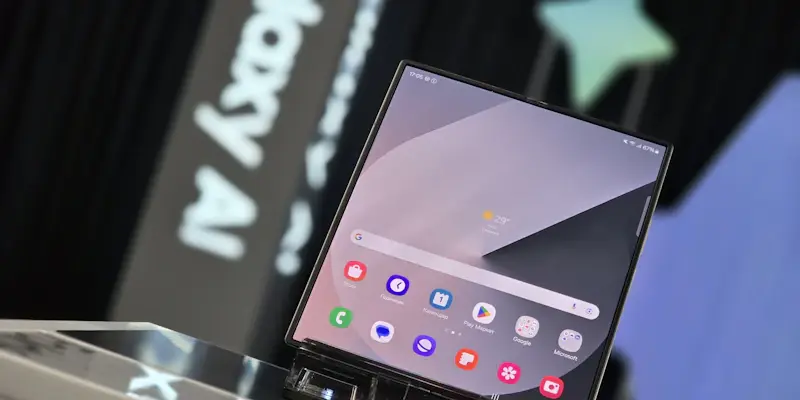
Samsung has been continuously pushing the boundaries of smartphone design and functionality with its Galaxy Z Fold series, and the upcoming Galaxy Z Fold 7 might be no exception. The question at hand is whether Samsung will introduce significant changes, particularly the integration of an Apple Pencil-like S Pen. According to a recent ET News report, Samsung is considering adopting a new technology for the S Pen that does not require a digitizer, similar to Apple’s Pencil. This shift would allow the device to be thinner by eliminating the digitizer layer on the screen, which currently registers stylus input.
The Pursuit of a Thinner Galaxy Z Fold
Potential Reduction in Thickness
One of the key potential changes discussed is the reduction in thickness of the Galaxy Z Fold 7. This change is projected to make the device approximately 1.5mm thinner. By eliminating the need for a digitizer layer, not only will the new S Pen be more efficient, but it will also contribute significantly to the overall slimness of the device. This is in line with Samsung’s ongoing efforts to make its foldable phones more compact and user-friendly. However, a thinner phone also comes with a set of challenges and trade-offs that need careful evaluation.
While eliminating the digitizer offers a way to make the phone thinner, the S Pen itself might need to be thicker. The new stylus design will require generating its own electric current to interact with the screen, which would necessitate a battery-powered mechanism. Consequently, the need for regular charging of the S Pen adds another layer of complexity to the user experience. Samsung is still in the process of weighing these trade-offs, as they strive to achieve an optimal balance between a sleek design and practical functionality.
Trade-offs and Challenges
Introducing a battery-dependent S Pen means that users would now have another device to keep charged, potentially leading to inconvenience, especially for heavy users who rely on the stylus for various tasks. Despite these challenges, the integration of the new S Pen technology is a testament to Samsung’s commitment to innovation. However, this innovation must be carefully managed to ensure it enhances rather than detracts from the overall user experience. The decision-making process involving these trade-offs remains ongoing, with Samsung expected to finalize their plans early next year.
Furthermore, the changes proposed may be exclusive to the Galaxy Z Fold series and might not extend to other models like the Galaxy S26 Ultra. Unlike the Fold series, the S26 Ultra houses the stylus within the phone itself. Adjusting the slot size to accommodate a thicker stylus in models like the S26 Ultra could negate the benefits of a thinner phone. As a result, this makes it impractical for those models that integrate stylus storage within the device. Samsung will have to consider these nuances as they make decisions regarding implementation in different product lines.
Stylus Functionality and Design Impact
Enhancing Stylus Functionality
The shift towards a battery-dependent S Pen could have a notable impact on the stylus functionality itself. Without the necessity of a digitizer, the S Pen may have the potential for improved precision and responsiveness. This innovation could lead to a more seamless experience for tasks that require fine control, such as drawing or note-taking. However, to fully capitalize on this improvement, Samsung will need to ensure the battery life of the new S Pen is robust enough to support extensive use without frequent charging interruptions.
On the other hand, the need for a battery introduces another layer of design complexity. The thicker S Pen might affect the overall aesthetic and ergonomics of the device. Samsung will have to find creative solutions to maintain a balance between an enhanced stylus performance and a sleek, elegant design that their users have come to expect. The new S Pen technology signifies an exciting development but requires thorough consideration of both form and function to meet user expectations effectively.
Implications for User Experience
From a user’s perspective, the implications of this shift in technology are multifaceted. While the potential for a thinner, more compact phone is appealing, the necessity to keep the S Pen charged could be seen as a drawback. Users who rely heavily on the stylus for productivity purposes might find the additional charging requirements cumbersome. On the contrary, the improved capabilities of the S Pen could outweigh these concerns if Samsung manages to deliver significant enhancements in precision, usability, and overall performance.
Samsung’s approach to integrating this new technology will likely involve extensive user testing and feedback to refine the final product. The company’s decision-making process reflects a broader trend in the tech industry, where form and function must coexist harmoniously to deliver superior user experiences. As Samsung explores these potential changes, the tech community eagerly anticipates the impacts this could have on the future of foldable smartphones.
Future Outlook
Evaluating the Decision-Making Process
As Samsung continues to evaluate the potential benefits and drawbacks of the proposed changes, the final decision is expected early next year. The company’s approach underscores the importance of considering both technological advancements and the practicalities of everyday use. The integration of a new, battery-powered S Pen represents a significant shift in stylus technology, indicative of broader trends in the smartphone industry towards more streamlined and functional designs.
Samsung’s exploration of this new technology is not only about creating a thinner foldable phone but also about enhancing the overall user experience. The ongoing decision-making process will likely involve a detailed analysis of user feedback, market trends, and the feasibility of integrating this technology seamlessly into their existing product line. The outcomes of this evaluation will ultimately shape the next generation of Samsung’s foldable devices and set new benchmarks for innovation in the industry.
Impacts on the Tech Industry
Samsung consistently pushes the limits of smartphone design and functionality with its Galaxy Z Fold series, and the upcoming Galaxy Z Fold 7 appears to be no exception. The main question is whether Samsung will introduce significant changes, specifically the integration of an Apple Pencil-like S Pen. A recent ET News report suggests that Samsung is considering adopting a new technology for the S Pen that does not require a digitizer, similar to Apple’s Pencil. This potential shift could allow the device to be thinner by eliminating the digitizer layer on the screen, which presently registers stylus input.
By removing the digitizer, Samsung can make the Galaxy Z Fold 7 sleeker and more lightweight, possibly enhancing user experience. The new S Pen technology might lead to a notable transformation in the design and functionality of Samsung’s foldable devices. With such innovations, the Galaxy Z Fold 7 could be more attractive to users seeking cutting-edge technology in their smartphones. This move could mark a significant step forward in the evolution of foldable phones, establishing a new benchmark in the industry.