

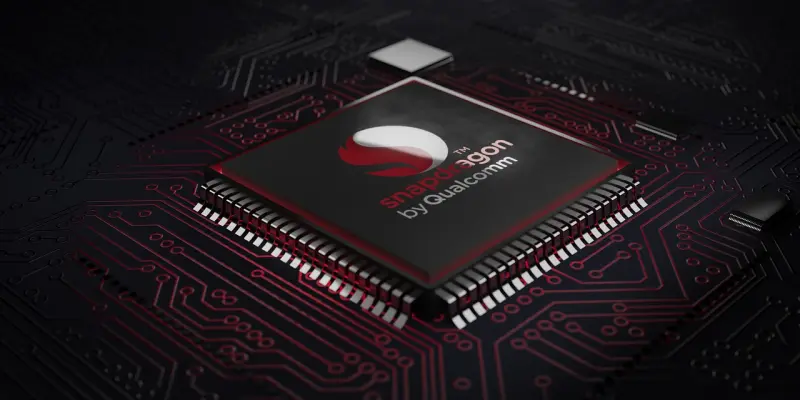
The recent leak about Samsung’s upcoming Galaxy S25 has sparked a significant wave of excitement and speculation within the tech community, particularly concerning its hardware configurations. According to a leak from a well-known tipster, Tarun Vats, it has been revealed that the international model of the Galaxy S25 will feature the Snapdragon 8 Elite processor along with 12GB of RAM. This leak puts to rest months of speculation about whether Samsung would use its own Exynos chipsets or Qualcomm’s Snapdragon processors for their new flagship series. Samsung’s inclusion of Snapdragon chips in its Galaxy S series has garnered attention since the Galaxy S III’s launch in 2012, making this decision particularly notable.
The potential uniform adoption of Snapdragon processors for the Galaxy S25 is groundbreaking, as it marks a deviation from Samsung’s historical strategy of mixing Exynos and Snapdragon chips based on regional markets. Consumers have generally favored Snapdragon variants, appreciating their superior performance and efficiency. The decision to consistently use Snapdragon in the Galaxy S23 lineup received positive feedback, setting a precedent Samsung seems keen to follow with the Galaxy S25. Anticipated for a January 22, 2025 release, the Galaxy S25’s all-Snapdragon line-up could lead to enhanced performance uniformity across global markets, though it may come at a higher cost.
Performance and User Experience
Samsung’s strategic move to include only Snapdragon processors in the Galaxy S25 is expected to streamline production and significantly enhance user experience. By opting for Snapdragon 8 Elite processors globally, Samsung plans to provide consistent performance and efficiency to all users, irrespective of their region. This shift could simplify software optimization, as the same processor setup across all devices ensures uniform calibration, avoiding issues related to chip supply fluctuations and licensing restrictions that have previously plagued the regional variations.
In addition to potential performance gains, an all-Snapdragon approach could improve the Galaxy S25’s battery life and thermal management. Snapdragon processors are often lauded for their power efficiency, which translates to longer battery life and better heat dissipation compared to some of the Exynos models. This move would likely eliminate the disparities in user experiences that have historically arisen due to differences in processor performance. Consequently, users can expect a flagship device that maintains peak performance for a longer period, contributing to a more reliable and satisfactory user experience worldwide.
Strategic Impacts and Market Implications
The decision to use only Snapdragon processors in the Galaxy S25 could have significant strategic and market implications. By unifying the processor across all models, Samsung could streamline its production process and reduce costs associated with managing multiple supply chains. Furthermore, this move could strengthen Samsung’s relationship with Qualcomm, potentially leading to more favorable deals and collaboration opportunities in the future.
From a market perspective, the consistent use of Snapdragon processors could enhance Samsung’s competitive edge, particularly in regions where consumers have shown a strong preference for Snapdragon-powered devices. By delivering a uniformly high-performing product, Samsung could attract a broader customer base and potentially increase its market share in the premium smartphone segment. However, the reliance on a single processor type may also pose risks, such as supply chain disruptions or pricing pressure from Qualcomm. Overall, the strategic decision to adopt an all-Snapdragon lineup for the Galaxy S25 reflects Samsung’s commitment to delivering a superior user experience and maintaining its position as a leading innovator in the smartphone industry.