

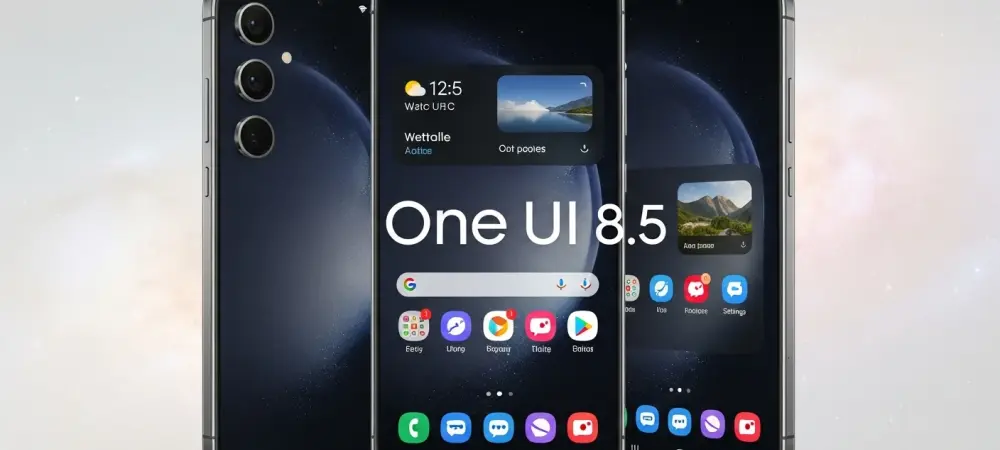
Anticipation is peaking as Galaxy S25 owners watch beta milestones stack up and ask if One UI 8.5 will finally land this week across core markets. The update window now sits squarely within Samsung’s typical cadence, and the signals point to a controlled, Korea-first push before broader expansion.
The Android Update Race and Samsung’s Playbook in 2026
Flagship Android updates now move on a predictable arc: Google sets platform pace, while OEMs layer custom UX and monthly security. Samsung’s One UI cadence runs tighter than most, using long betas to de-risk features for S25, with spillover to S24, Z Fold/Flip, FE, and Tab users.
This round hinges on chipset tuning for Snapdragon and Exynos variants, maturing AI frameworks, and foldable UX polish. Carriers, regional distributors, and beta communities act as both validators and gatekeepers under soft rules like certification queues and privacy mandates.
Evidence the Stable Build Is Around the Corner
Patterns Pointing to a Near-Term Release Window
Reaching Beta 9–10 usually means stabilization, with only edge-case regressions left. Samsung often seeds Korea first, then opens the floodgates in major markets once telemetry looks clean.
Late-cycle beta expansion to S24, Z Fold 6/Flip 6, FE, and Tab S11 functions as final validation. Support channels flagged end-of-month windows, while Samsung Members engagement stayed high, a sign of update readiness.
Timelines, Metrics, and Scenarios
Current chatter placed Korea by April 30, with India and the US around May 4, still unconfirmed. Expect early adopters in week one, mainstream in weeks two to four, and a long tail through week eight.
Crash rates trended down across the last builds, yet a day-one hotfix remained plausible. S25, S25+, and S25 Ultra would lead, with FE and Tab following; best case delivered minimal hotfixes, base case staggered by carriers, and risk case slipped select regions a week.
Frictions That Could Delay a “This Week” Rollout
Late-found issues in battery, modem stability, or camera pipelines could pause waves. Carrier validations vary by region and can backlog final sign-offs. Samsung also throttles OTA by IMEI and telemetry. Fragmented modem stacks and regional SKUs add complexity, though hotfix channels, rollback paths, and incremental patches help contain fallout.
Compliance, Security, and Gatekeepers Shaping Release Timing
GDPR, CCPA, and local residency rules shape data handling, while kernel patch levels and CVE bundles must align with Play Protect. VoLTE/5G, emergency services, SAR, and localization add regional hurdles.
Governance covers beta-to-stable transitions, user consent, and rollbacks. Enterprises weigh Knox, MDM support, and staged approvals before greenlighting fleets.
What the Near Future Looks Like for Galaxy S25 Owners
One UI 8.5 is expected to lean into on-device AI, camera consistency, and smarter battery controls, with foldable refinements riding in tandem. Competitive pressure from Google updates and Qualcomm firmware drops could trigger quick follow-ons. Consumers now adopt faster, join betas more, and want clear changelogs. Growth likely comes from FE and tablet penetration, long-term support promises, and a tight security cadence. Enrollment lives in Samsung Members, with backups and manual checks under Settings.
Final Take and Actionable Recommendations
The balance of evidence favored a Korea-first release this week, with rapid expansion days later. Users confirmed region eligibility, backed up data, enrolled if curious, and watched for OTA prompts.
Risk-averse users waited for the first hotfix, while power users updated day one with safeguards. For the industry, Samsung’s disciplined pacing reinforced trust and differentiation, and near-term patches were expected to round off the launch.