

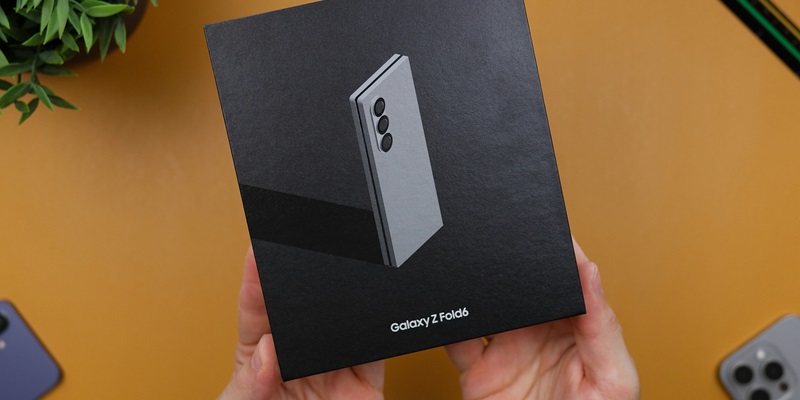
As the tech world eagerly awaits the launch of Samsung’s next generation of foldable phones, rumors and leaks are already circulating about what features and specifications these devices will bring. The Galaxy Z Fold7 and Galaxy Z Flip FE are scheduled for release next year, and early information hints at a few interesting updates. However, it remains to be seen whether these changes will be sufficient to satisfy consumers’ growing expectations. The Galaxy Z Fold7, in particular, has stirred mixed reactions among enthusiasts due to its apparent lack of significant camera upgrades, while the Galaxy Z Flip FE presents itself as a promising mid-range option in the foldable market.
Incremental Upgrades of the Galaxy Z Fold7
The Galaxy Z Fold7 is touted to include a 50 MP main camera, which is the same specification seen in its predecessors, the Galaxy Z Fold6, Z Fold5, and Z Fold4. This continuity might feel underwhelming for fans expecting more substantial improvements, especially in comparison to the 200 MP camera featured on the Galaxy Z Fold Special Edition. That particular model has demonstrated a significant leap in camera performance, setting a high bar that the Galaxy Z Fold7 seems unlikely to meet. Despite the advanced foldable design features typically associated with the Z Fold series, the absence of a noteworthy camera update could be seen as a missed opportunity to distinguish the new model from its predecessors.
The Galaxy Z Fold7’s other specifications and refinements are yet to be confirmed, but the emphasis on maintaining the same main camera sensor is already influencing consumer expectations. Folding phones have always faced scrutiny not just for their novelty but also for their functionality and technological advancements. As competitors continue to innovate in the foldable segment, Samsung’s latest entry might need more than just slight tweaks to its camera to win over fans. Nevertheless, the sophisticated design and the versatile utility offered by the Galaxy Z Fold series are aspects that may still contribute to its appeal upon release.
Galaxy Z Flip FE: A Mid-Range Contender
While the Galaxy Z Fold7 might struggle to impress with its limited upgrades, the Galaxy Z Flip FE is aimed at capturing a different segment of the market. Historically, the standard Galaxy Z Flip has outperformed the Z Fold in terms of sales, largely due to its more accessible price point. Recognizing this trend, Samsung’s introduction of the Galaxy Z Flip FE aims to offer a budget-friendly foldable phone. Although the FE variant is expected to come with some compromises such as a different chipset, potentially thicker bezels, and lower camera quality, it draws parallels to earlier Fan Edition models like the Galaxy S20 and S21 FE, which similarly featured reduced specifications to achieve affordability.
The strategic move to introduce a cost-effective foldable device is expected to resonate well with consumers who are interested in the novelty of foldables but are deterred by the high prices of flagship models. If priced right, the Galaxy Z Flip FE could broaden Samsung’s reach within the foldable market, attracting a demographic that seeks both innovation and value. However, it will be crucial for Samsung to balance these modifications without compromising too much on the overall user experience.
Samsung’s Foldable Strategy: High-End and Mid-Range Options
As the tech world eagerly anticipates the arrival of Samsung’s next generation of foldable phones, speculation is rife about the features and specifications these new devices will offer. Set for release next year, the Galaxy Z Fold7 and Galaxy Z Flip FE are already generating buzz. Early leaks suggest a few notable updates, but it’s unclear if these will meet the ever-growing expectations of consumers. Specifically, the Galaxy Z Fold7 has elicited mixed reactions from enthusiasts, primarily due to its apparent lack of significant camera improvements. On the other hand, the Galaxy Z Flip FE is shaping up to be a compelling mid-range contender in the foldable phone market. As excitement builds, tech enthusiasts are eager to see how these new models will compare to competitors and if they will set new standards in the industry. The challenge for Samsung will be to deliver innovations that not only look impressive but also offer meaningful improvements in usability and performance, thereby justifying the investment for potential buyers.