

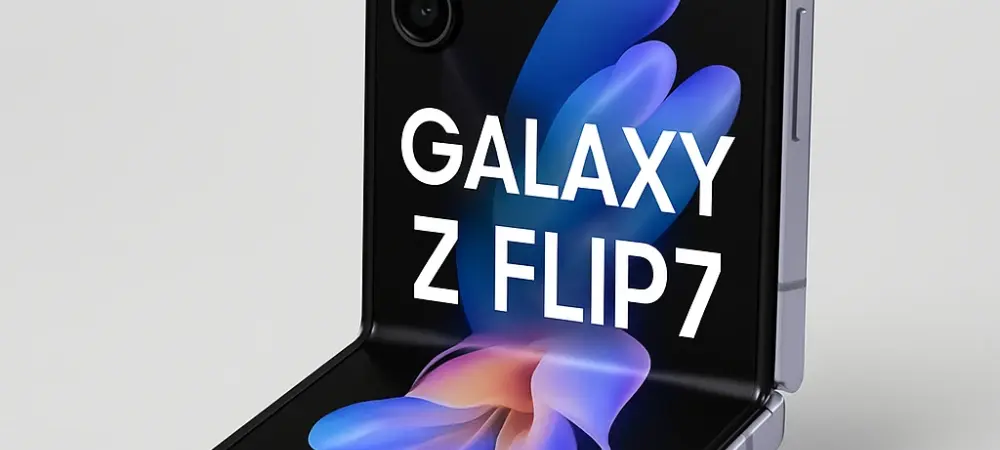
In the ever-evolving landscape of mobile technology, innovation is a relentless pursuit. Often, significant advancements shape user demands and redefine expectations. Samsung, a pioneer in this realm, has consistently set benchmarks with its Galaxy Z series. This time, Samsung introduces the Galaxy Z Flip7 and the more affordable Galaxy Z Flip7 FE. The Flip7 promises to reshape the market, but will it succeed in redefining the archetype of foldable phones? The foldable smartphone era has ignited both anticipation and skepticism among consumers and industry analysts. Foldables represent a novel concept, marrying traditional phone capabilities with the allure of flexible displays. The Galaxy Z Flip7 might just be the catalyst needed to revolutionize and deepen the acceptance of such devices. By integrating advanced features with a sleek, compact form, Samsung has positioned the Flip7 as a potentially transformative device in this category.
While the demand for innovative devices continues to burgeon, the sector grapples with challenges like durability and battery longevity. Consumers showed interest in robust designs that do not compromise function for form, a balance Samsung aims to achieve with the Z Flip7. Addressing these concerns through enhanced protective elements and optimized battery performance could solidify the Flip7’s impact.
The Galaxy Z Flip7: A Technical Marvel
Samsung’s Galaxy Z Flip7 embodies cutting-edge design with its notably slim profile. When folded, it measures 13.7mm, opening to a sleek 6.5mm, with a powerful 4,300mAh battery. This marks a significant evolution from its predecessor, reflecting Samsung’s engineering prowess in maintaining aesthetics while enhancing functionality. Its weight remains at 188g, balancing ergonomics with utility.
The Galaxy Z Flip7 stands out with its redefined display technology. Both the cover and main displays have been significantly advanced, incorporating a 4.1-inch Super AMOLED cover display. This screen, complemented by ultra-thin bezels, revolutionizes user interaction by enhancing visibility with the Vision Booster feature. The internal screen is expanded to 6.9 inches, challenging the design paradigms in foldables. Materials such as Armor Aluminum and Gorilla Glass Victus 2 accentuate durability, ensuring the device’s resilience against everyday challenges.
Powering this formidable device is the Exynos 2500 chipset, which promises efficiency and superior performance. With a unique strategy toward water resistance focused on its internal components, the Flip7 addresses environmental conditions head-on. Offering substantial battery endurance of up to 31 hours of video playback, along with rapid charging capabilities, it sets a new standard.
Industry Perspectives & Consumer Insights
Industry experts view the Galaxy Z Flip7 as a significant step forward in the foldable genre. The combination of hardcore tech specs with a sleek design fascinates analysts and consumers alike, indicative of growing trust in foldable solutions. Preliminary consumer reactions suggest that the device might bridge the gap between novelty and necessity, heralding new use cases and adoption beyond tech enthusiasts.
Feedback from early adopters and seasoned reviewers notes the balance of form and function in the Flip7. Enhanced usability through improved displays and camera capabilities receives commendations, particularly from content creators and mobile professionals who favor agile devices. Such accolades suggest wider acceptance and potential competition with conventional smartphones.
Considerations for Potential Buyers
For individuals considering the Galaxy Z Flip7, several factors are pivotal. Understanding the distinction between the premium Z Flip7 and the budget-friendly Z Flip7 FE model is instrumental. While both offer folding functionality, the FE trades some features for affordability, appealing to those prioritizing value. Evaluating personal usage patterns against the device’s strengths can enhance the user experience.
Prospective buyers may explore leveraging the device’s features in everyday contexts, optimizing both the practical and playful elements of the design. Concentrating on the applications enabled by its unique display technology and durable build may lead to innovative ways to integrate the phone into daily digital life.
Reflection on Samsung’s Bold Step
Samsung has long been at the forefront of mobile innovation, and with the Galaxy Z Flip7, the brand seemed to push boundaries once more. By fusing advanced technology with sleek design elements, the Z Flip7 aimed to transcend the typical limitations associated with foldables. Future directions could include expanding customization options and refining the durability aspects further, ensuring broader consumer acceptance among diverse demographic groups.
Ultimately, the question of whether the Galaxy Z Flip7 would redefine foldable phones remained complex. While the device marked a notable development in design and capabilities, its long-term influence would depend on continued innovation and the evolving preferences of tech-savvy users. As the industry moved forward, the Z Flip7 could very well be remembered as a landmark release in Samsung’s illustrious portfolio.