

The digital heartbeat of Europe has long lagged behind the lightning-fast adoption rates of the East and West, where 5G Standalone networks have become the standard rather than the exception. While North America and China surged ahead with adoption rates of 32% and 80% respectively, the European continent remained surprisingly stagnant at a meager 2.8%. This stark disparity highlighted a region struggling to keep pace with global digital standards, but Belgium has now positioned itself to break this cycle through the strategic launch of Proximus 5G+.
This deployment represents a fundamental shift rather than a simple incremental upgrade. By moving beyond the limitations of hybrid networks, Belgium is establishing a new benchmark for European connectivity that prioritizes technological autonomy. The initiative serves as a localized blueprint for how infrastructure investment can catalyze national economic security and move the country from a digital follower to a continental pacesetter.
Bridging the Transatlantic and Global Connectivity Gap
The transition to Standalone (SA) 5G serves as the critical differentiator between true next-generation connectivity and older networks that still rely on 4G foundations. By deploying a cloud-native core network, Proximus is actively addressing the technological lag that hindered European innovation for years. This shift allows for a level of reliability and low latency required for high-stakes industries, ensuring that Belgium no longer remains in the shadow of global tech giants.
Moreover, this infrastructure rollout provides the necessary groundwork for a more competitive economic landscape. While previous mobile standards focused primarily on consumer speed, the move toward 5G+ is a strategic investment in industrial capability. It allows the nation to bridge the gap with markets that moved earlier, creating a robust environment where domestic startups and established corporations can innovate without the constraints of outdated hardware.
Decoding the Technical Advantages of 5G+ Infrastructure
This rollout was structured to maximize impact across specific sectors before expanding to the general public, utilizing several key technical pillars. Network slicing stands as a primary advantage, offering the ability to reserve dedicated lanes of bandwidth for critical services like emergency response and secure payment processing. This ensures that essential traffic remains uninterrupted, even during periods of extreme network congestion or public events.
Furthermore, the introduction of Voice over 5G (VoNR) significantly improved call quality while allowing for uninterrupted, high-speed data usage during active voice sessions. Security protocols were also overhauled, utilizing advanced encryption for SIM cards and identity data to protect sensitive information in an increasingly connected world. These upgrades, combined with the capacity to support a significantly higher density of IoT devices, have transformed the network into a versatile tool for modern urban management.
Insights From the Forefront of Telecommunications Innovation
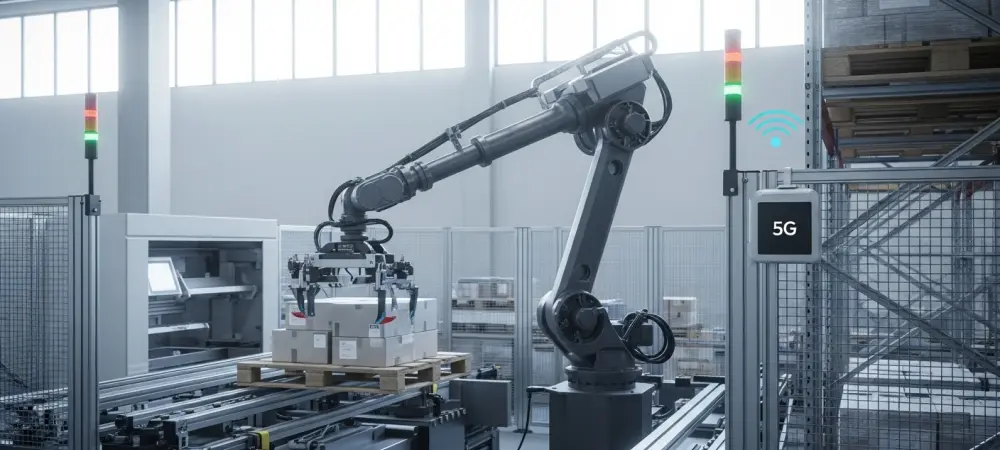
Industry leaders view the shift toward 5G+ as a necessary catalyst for a more secure and innovative digital environment. Geert Standaert, Network Lead at Proximus, emphasized that this initiative was specifically designed to unlock latent potential within the professional sector. By providing a stable and scalable platform, the network allows businesses to explore technologies like remote robotics and real-time data analytics that were previously hindered by latency issues. The move toward a cloud-native architecture also reflects a broader commitment to technological sovereignty. Rather than relying on legacy systems that require constant patching, the new infrastructure was built from the ground up to be flexible and resilient. This forward-thinking approach has demonstrated how localized investment can serve as a shield against global supply chain disruptions while fostering a domestic ecosystem of tech talent and specialized services.
Preparing for the 5G+ Migration and Future Connectivity
Leveraging the full potential of this new network required a strategic approach for both businesses and individual users. Access was initially optimized for the latest hardware, such as the Google Pixel 9 and 10 models, while users had to align their service agreements with specific “Mobile Connect” or “Together Mobile” plans. This phased migration ensured that the network remained stable as more users transitioned to the high-capacity signal and cloud-native features.
Looking ahead, the focus must shift toward full integration of eSIM technology and the finalization of nationwide coverage. To remain competitive, organizations should have prioritized the transition to compatible 5G+ SIM cards and integrated low-latency applications into their standard operating procedures. By the time total coverage was achieved, the foundation was already laid for a new era of Belgian digital leadership that set a high standard for the rest of the European Union to follow.