

The persistent boundary between the ease of home consoles and the raw power of high-performance desktop computers is currently undergoing a radical transformation as the industry moves toward a unified future. The traditional barrier between the living room console and the high-end gaming rig is beginning to dissolve, signaled by the quiet development of Microsoft’s “Project Helix.” While gamers have long debated the merits of plug-and-play simplicity versus raw PC power, a new breed of hardware is emerging that refuses to choose between them. At the heart of this shift is a custom silicon partnership with AMD that could fundamentally redefine what it means to own an Xbox. This transition turns the console from a single, static box into a versatile ecosystem that lives across multiple manufacturers. By blending the accessibility of a dedicated gaming device with the modular potential of a computer, the initiative seeks to eliminate the technical silos that once divided the gaming community.
The End of the Console War as We Know It
The current landscape suggests that the era of closed boxes is giving way to a more fluid hardware philosophy. Project Helix represents a pivot where the brand is no longer tied to a specific chassis but rather to a standardized performance target. This strategy allows the platform to escape the limitations of traditional hardware generations, ensuring that software remains compatible across an increasingly diverse range of devices without sacrificing the optimization typically found on consoles.
Furthermore, this move suggests a fundamental change in how competition is measured in the industry. Rather than fighting for dominance through exclusive physical boxes, the focus has shifted toward building the most pervasive and flexible digital environment. As the ecosystem expands, the distinction between a console gamer and a PC gamer becomes less relevant, fostering a unified player base that accesses the same library of titles regardless of the machine under the television.
Why the Hybrid Hardware Shift Matters Today
As the cost of cutting-edge hardware rises and the demand for seamless cross-platform play grows, the rigid hardware cycles of the past are becoming a bottleneck for innovation. Project Helix addresses the growing consumer desire for high-performance machines that offer the curated, user-friendly experience of a console without the limitations of a closed ecosystem. By moving toward a more open hardware model, Microsoft is responding to the market shifts that favor integrated, high-performance solutions. The success of gaming handhelds like the ROG Ally and Steam Deck has proven that players value specialized, integrated devices that bridge the gap between mobile flexibility and desktop power. These devices have created a precedent for portable, yet powerful, machines that do not require the user to sacrifice a streamlined interface for performance. Consequently, the industry is seeing a surge in demand for hardware that combines the best of both worlds—reliability and versatility.
Inside the Helix Ecosystem: Silicon, OEMs, and FSR Diamond
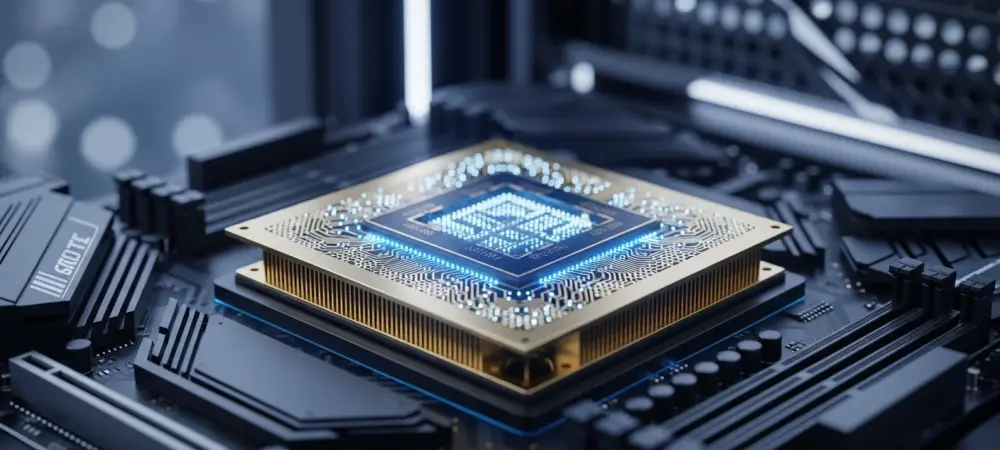
Project Helix is centered on a next-generation System-on-a-Chip (SoC) designed specifically to power a new category of “certified” Xbox gaming PCs. Unlike traditional PC components, this SoC will not be sold to DIY builders; instead, it is reserved for original equipment manufacturers (OEMs) like ASUS and MSI to create bespoke gaming machines. This exclusivity ensures that the hardware remains highly optimized, preventing the fragmentation that often plagues the general PC market. A standout technical feature of this silicon is “FSR Diamond,” a proprietary upscaling technology that utilizes AI and neural rendering to deliver visual fidelity previously reserved for ultra-high-end GPUs. These third-party machines will run a deep-integrated version of the Xbox interface, ensuring that whether a user buys a first-party console or an OEM-branded Helix machine, the software experience remains consistent. This technological leap allows mid-range devices to perform at levels that were once the sole domain of enthusiast-grade hardware.
Strategic Insights into Microsoft’s Multi-Track Hardware Roadmap
Industry analysts point to this move as a way for the company to aggressively expand its market share without bearing the full manufacturing burden of multiple hardware tiers. By allowing partners to innovate on the physical form factor—ranging from compact media center units to premium tower configurations—the brand can capture different segments of the market simultaneously. This decentralized approach reduces the financial risk associated with mass-producing niche hardware while still maintaining control over the software experience.
Crucially, internal reports and leadership statements confirm that this is not an exit from the console market; rather, a flagship first-party Xbox will continue to serve as the North Star for the ecosystem. Project Helix provides the “pro” and “specialized” alternatives that the traditional console market currently lacks, creating a tiered system that caters to everyone from the casual player to the hardcore enthusiast. This dual-track strategy ensures that the platform remains relevant in both the living room and the home office.
Navigating the New Xbox Landscape: A Guide for Consumers
For gamers looking to transition into this new ecosystem, understanding the distinctions between traditional consoles and Project Helix machines became essential. Prospective buyers identified their primary use cases: those seeking a standardized, affordable entry point found that the first-party Xbox remained the primary choice. However, for those who desired the build quality of premium PC brands and the performance boost of neural upscaling, waiting for OEM-specific Helix devices proved to be the better strategy.
To prepare for this convergence, users focused on building their digital libraries within the Xbox environment, as the seamless integration of Game Pass and cloud saves acted as the connective tissue across all Helix-certified hardware. The move toward this hybrid model required a mindset shift from owning a specific piece of equipment to participating in a broader service-led environment. Ultimately, the industry moved away from hardware restrictions, prioritizing a future where high-fidelity gaming was accessible on a wider variety of premium devices.