

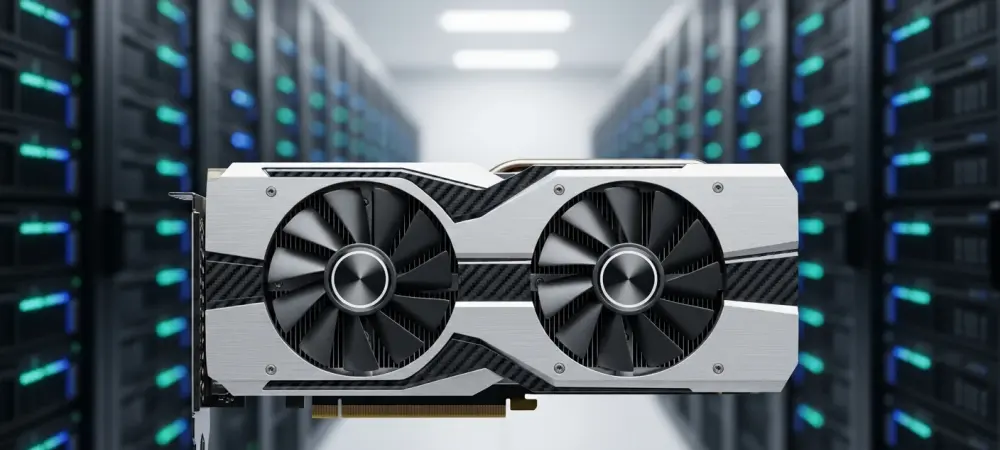
The shift from traditional rasterization to fully generative computing represents the most significant architectural pivot since the introduction of dedicated 3D accelerators in the late nineties. The arrival of the Nvidia RTX Spark architecture suggests a future where intelligence is the primary metric of performance, moving beyond the era when raw clock speeds and transistor counts defined the power of a machine. This new paradigm leverages dedicated tensor cores not just for upscaling images, but for predicting entire frames and orchestrating system resources through real-time machine learning. As users demand more immersive environments and seamless multitasking, the traditional boundaries between hardware and software continue to blur, creating a symbiotic ecosystem. The Spark initiative aims to centralize these AI capabilities, moving away from cloud-dependent models toward a localized, privacy-focused powerhouse. This shift ensures the average desktop is an adaptive partner capable of handling neural workloads.
Silicon Evolution: Adaptive Neural Architectures
Blackwell Core: Integrating Generative Processing
At the heart of the RTX Spark platform lies the Blackwell-derived neural engine, specifically tuned to handle the massive throughput required for generative AI tasks without sacrificing gaming performance. Unlike previous iterations that treated AI as a secondary feature for post-processing, this architecture integrates deep learning directly into the execution pipeline, allowing for instantaneous data synthesis. Developers can now utilize Spark-specific libraries to offload complex physics calculations and NPC logic directly to the GPU’s dedicated AI clusters. This transition significantly reduces the burden on the central processing unit, effectively eliminating bottlenecks that have plagued high-end systems for years. Furthermore, the introduction of a high-bandwidth memory interface ensures that large language models and diffusion networks remain resident on the card, providing near-instantaneous response times for voice commands and complex creative workflows within the system.
Power Management: Proactive Efficiency Standards
The practical implications of such hardware extend far beyond the realm of enthusiast gaming or professional video editing. By embedding a dedicated Neural Supervisor within the silicon, Nvidia has enabled a system that anticipates user behavior, pre-allocating power to applications before they are even fully launched. For instance, a designer working in a 3D environment will see the Spark architecture dynamically adjust voltage to ensure that ray-traced shadows are rendered with zero latency. This predictive capability marks a departure from the reactive cooling and power management systems of the past, opting instead for a proactive stance that maximizes efficiency. As this technology matures, the reliance on high-latency cloud servers for complex computations will likely diminish, as the local machine possesses the necessary intelligence to process data autonomously. This autonomy represents a new era of digital sovereignty, where the power of a data center resides quietly under a desk or within a portable chassis.
Ecosystem Impact: Redefining User Interaction
Software Synergy: Creating Autonomous Environments
Software integration remains the final frontier for fully realizing the potential of the RTX Spark ecosystem, necessitating a rewrite of traditional operating system kernels. Current operating systems are beginning to adopt the Spark Core API, which allows for a more fluid interaction between the user and the machine’s internal components. Instead of navigating complex menus or manually adjusting settings, individuals can interact with their PCs using natural language, with the GPU interpreting and executing these instructions locally. This shift effectively turns the operating system into a sentient layer that understands context, such as recognizing when a user is transitioning from a high-stakes competitive match to a professional color-grading session. From 2026 to 2028, the industry expects a total transition to these neural-first interfaces, as the hardware responds instantly, reconfiguring its internal logic to prioritize color accuracy over frame rates without requiring a system reboot.
Strategic Implementation: The Path to Digital Sovereignty
The integration of the RTX Spark architecture provided a clear roadmap for the evolution of personal computing, moving away from the rigid structures of previous decades. Industry stakeholders took decisive action by prioritizing local AI processing, which effectively addressed concerns regarding data privacy and latency that had slowed earlier adoption cycles. Developers moved toward creating specialized software that fully leveraged the unique tensor capabilities of the new hardware, leading to a surge in specialized productivity tools. This transition established a new baseline for what consumers expected from their devices, shifting the focus from raw gigahertz to intelligent throughput. In the coming years, organizations were encouraged to invest in hardware-agnostic AI standards to ensure that these localized powerhouses communicate seamlessly across different platforms. The technology sector successfully redefined the PC as a truly intelligent extension of human capability that adapted to individual needs.