

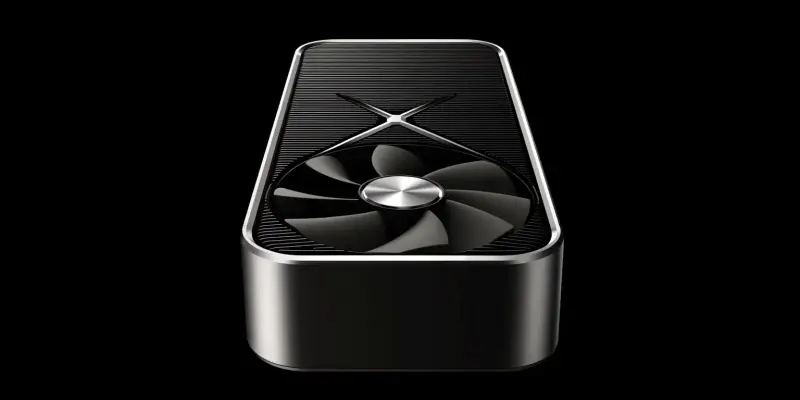
The tech world is abuzz with the impending release of Nvidia’s highly anticipated RTX 5090 laptop GPU, which has already sparked interest among enthusiasts and professionals alike. Early benchmarks and reviews have started to surface, particularly from reputable outlets such as Notebookcheck, ComputerBase, Hardwareluxx, and PCMag. These initial assessments were conducted using Razer’s new 16-inch Blade laptop, boasting a redesigned, sleek chassis that measures just 0.7 inches in thickness and comes with a hefty $4,400 price tag. Yet, despite the apparent advancements, the question on many minds remains: does the performance of the RTX 5090 justify its substantial cost?
Benchmark Performance and Early Reviews
The initial benchmarks of the RTX 5090 laptop GPU provide insightful yet somewhat mixed perspectives. While testing on the upcoming Razer Blade 16, it was observed that the RTX 5090 GPU yielded only minor performance improvements over its predecessor, the RTX 4090. For instance, in graphically intensive games like Cyberpunk 2077 and Alan Wake 2, the GPU offered an increase of up to 10 frames per second. This modest gain raises concerns about whether the added cost translates into proportionate performance benefits.
One of the key features of the RTX 5090 is its multi-frame generation technology, which aims to significantly enhance perceived frame rates. This technology is highlighted on a high-refresh-rate 240Hz screen with a resolution of 1600p. Despite these enhancements, practical performance gains remain relatively modest when juxtaposed with the generational leap from older models like the RTX 3080 Ti. For example, Notebookcheck reported a substantial 40% performance boost when comparing the 5090 to the 3080 Ti, indicating that the newer model’s advantages are less marked in direct succession to the 4090.
Factors Affecting Performance
An intriguing aspect of these early reviews is the potential influence of the Razer Blade 16’s use of AMD’s new Ryzen AI 9 HX 370 processor. This integration might introduce CPU bottlenecks that can affect overall performance and cause discrepancies in various gaming scenarios. Such bottlenecks complicate direct comparisons between the RTX 5090 and 4090, requiring a more nuanced understanding of the GPU’s capabilities in real-world applications.
Moreover, there is a growing consensus that more comprehensive insights into the RTX 5090’s full potential will emerge as additional laptops featuring varied cooling solutions and power allocations come to market. Initial thermal constraints due to the form factor of these new GPUs may mask their true performance capabilities, and only through broader analysis can more definitive conclusions be drawn. This period is critical for both Nvidia and the consumer market, as real-world testing will ultimately determine the value proposition of the RTX 5090.
Future Prospects and Consumer Expectations
As more detailed reviews and benchmarks become available, tech enthusiasts and industry professionals will scrutinize whether the performance benefits of the RTX 5090 match its hefty price, determining its true value in the competitive market. The redesigned Razer Blade showcases impressive advancements, yet the central question remains: does the RTX 5090 deliver enough power and efficiency to justify its significant investment?